How Safe Is HIFU Treatment For Facial Skin Tightening?

High-intensity focused ultrasound has become a widely discussed option for non-invasive facial rejuvenation, especially in beauty-forward regions where Hifu Treatment in Dubai often trends among aesthetic seekers. As more individuals look for alternatives to surgical lifting, safety becomes the central concern. Understanding how this treatment interacts with facial skin, what makes it suitable for certain individuals, and the general considerations involved can help clarify how safe it truly is for tightening and contouring purposes.
Understanding the Safety Profile of HIFU
HIFU is regarded as a non-surgical cosmetic approach designed to address skin laxity. From a safety standpoint, it is generally considered low risk when administered appropriately. It does not involve incisions, injections, or chemical applications, which reduces the likelihood of infection or scarring. Most individuals tolerate the treatment well, and adverse reactions are typically mild and temporary. Overall, its safety profile is one reason it has gained global popularity in aesthetic dermatology.
How HIFU Interacts with Facial Skin
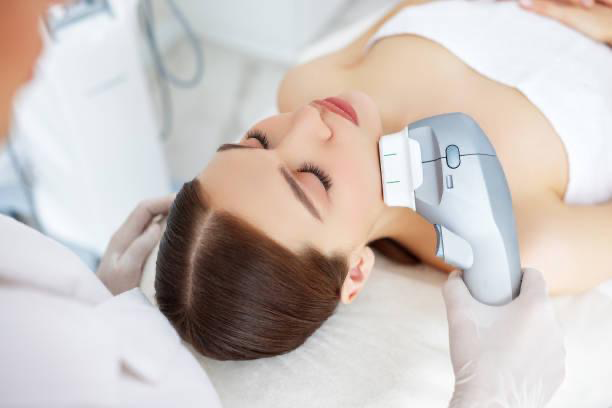
Unlike invasive lifting methods, HIFU works beneath the skin’s surface without disrupting the outer layer. This characteristic plays a significant role in its safety. Because the top layer remains intact, the risk of surface damage is minimal. The treatment targets deeper tissue layers with precision, which helps preserve surrounding areas. For many people, this controlled targeting supports a predictable safety experience without extensive downtime or visible skin trauma.
Common Temporary Reactions to Expect
- Mild redness in treated areas
- Slight swelling or puffiness
- Temporary tenderness
- Tingling sensations
- Minor sensitivity to touch
Skin Types and Suitability Considerations
Safety often depends on whether the treatment is appropriate for a person’s skin condition and laxity level. HIFU is usually well-suited for individuals with mild to moderate sagging. Extremely thin or severely lax skin may require alternative approaches. Additionally, certain medical conditions affecting skin healing or connective tissue health can influence suitability. A proper assessment ensures the treatment aligns with the individual's needs and reduces unnecessary risks.
Factors That Influence Safety Outcomes
- Practitioner expertise and training
- Accurate energy level selection
- Proper device handling
- Individual skin sensitivity
- Pre-existing skin conditions
Comparing HIFU to Other Non-Invasive Options
When evaluating safety, many individuals compare HIFU with radiofrequency or laser-based tightening treatments. HIFU differs because it bypasses the skin’s surface, minimizing risks like burns or pigment changes. In contrast, some laser procedures may involve higher surface-level sensitivity. While every aesthetic treatment carries some degree of risk, HIFU’s ability to avoid epidermal disruption makes it an appealing option for those concerned about visible skin damage.
Rare but Possible Side Effects
- Temporary numbness in small areas
- Slight bruising
- Mild asymmetry due to uneven response
- Short-term nerve sensitivity
- Minor discomfort during facial movement
Age and Skin Condition Considerations
Age plays a role in how safely and effectively the treatment can be tolerated. Younger individuals with early signs of laxity generally respond with minimal concerns. Mature skin, while still suitable in many cases, may require careful assessment to ensure it can handle the targeted energy. Skin hydration, elasticity, and overall health all influence how comfortably someone experiences the tightening process without excessive sensitivity.
Safety in Sensitive Facial Areas
Certain facial regions, such as the jawline, cheeks, and brow area, are commonly treated. These zones contain delicate structures, making precision essential for maintaining safety. Because HIFU technology is designed to focus energy at specific depths, it reduces the likelihood of harming nearby tissues. However, understanding facial anatomy remains crucial. When properly directed, treatment around sensitive areas remains controlled and generally well tolerated.
Final Thoughts
HIFU treatment for facial skin tightening is widely regarded as a safe non-invasive option for individuals seeking subtle lifting without surgery. Its ability to target deeper layers while preserving the skin’s surface contributes to its favorable safety profile. Although mild, temporary reactions can occur, serious complications are rare when suitability and proper technique are prioritized. Ultimately, informed decision-making and professional guidance help ensure a comfortable and secure aesthetic experience.