How Should You Use A Chill Ring For Welding Pipe To Boost Weld Quality?

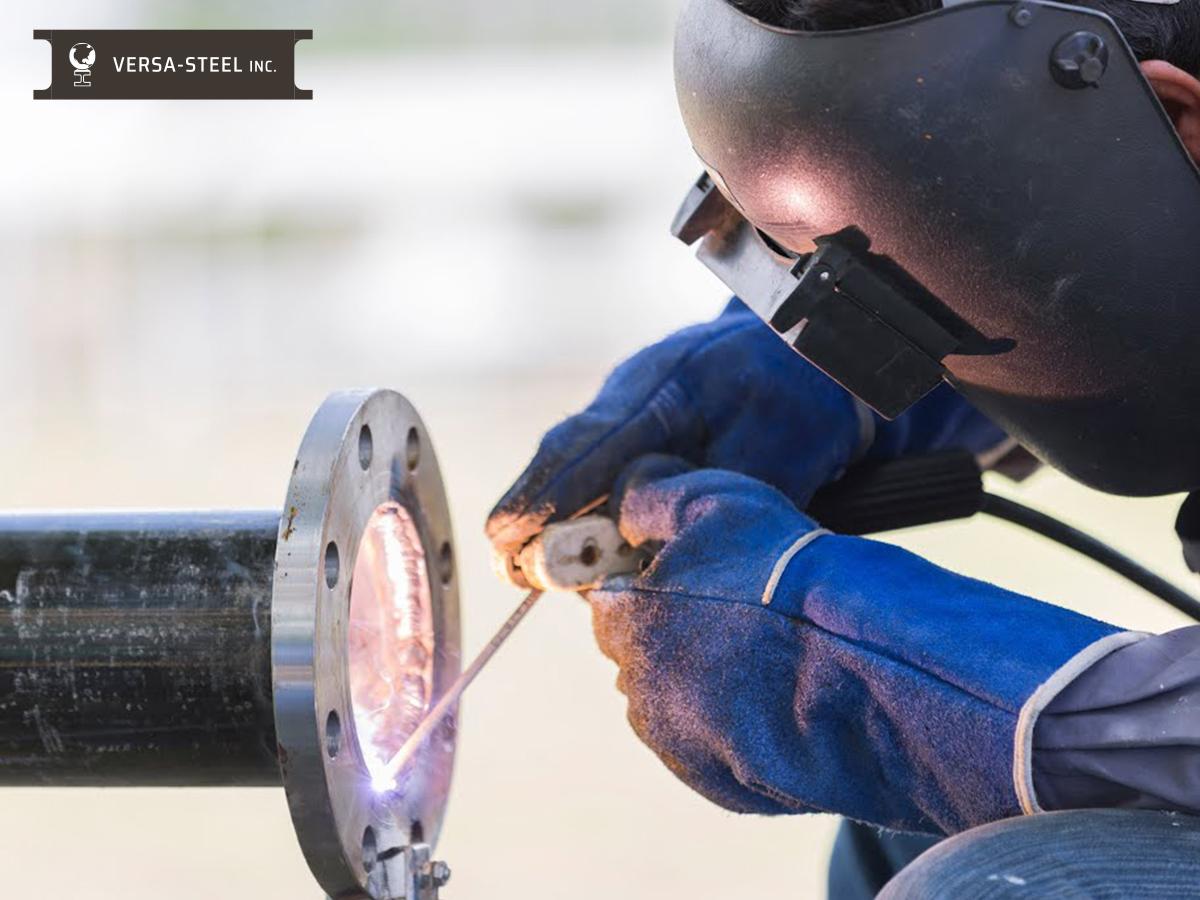
When you’re tackling pipe welding and structural steel work, understanding the role of a chill ring for welding pipe can be the difference between a solid, reliable joint and a rework nightmare. Whether you’re fabricating piling accessories or preparing pipe sections for field installation, using the right components matters. Among these, the chill ring for welding pipe stands out as a simple yet critical tool that controls root fit-up and weld solidification in demanding applications.
In real world pipe fabrication, a chill ring isn’t just an insert — it’s a precision device that helps you align pipe ends, maintain consistent root gaps, and support the weld pool as you make that first pass. This article breaks down what you need to know about chill ring for welding, how it works with other pile tips and accessories, and why it’s a must-consider product when you’re striving for quality and efficiency on every job.
What A Chill Ring For Welding Pipe Actually Does
A chill ring for welding pipe acts as a type of backing ring placed inside the joint before welding. Its role is two-fold: it helps create a consistent root opening and gives the weld metal something to bond against during that critical root pass. By doing this, you get stronger welds and a more predictable outcome — especially important when you can’t afford flaws in infrastructure or foundation steel.At its core, this ring supports the molten weld pool and promotes controlled cooling right at the joint. That’s why seasoned welders value chill rings in both structural steel and heavy-duty applications.
Choosing the chill ring for welding pipe
Product design can vary slightly, but premium chill ring for welding pipes shares key features you’ll appreciate on the job site:
- Split design that compensates for nominal wall thickness variations.
- Ability to spring back and make full contact with the inner diameter once inserted.
- Spacers that set the proper gap and simplify fit-up.
This combination makes installing them quick and ensures reliable weld conditions every time. Some chill ring models even allow easy compression at the split, so you can insert them efficiently into pipe sections with varying internal dimensions.
How Pile Tips Fit Into the Welding Process
While your focus might be the ring for welding pipe, it’s worth understanding the environment in which it works. Pile tips are essential accessories that prepare the end of a pile for driving and welding. They protect the pile’s structural integrity in harsh conditions and make sure the welding surface is ready for accessories like a chill ring or splicer.
Whether you’re working with H-pile points, cutting shoes, or timber pile tips, each type is engineered for ease of welding and durability under load. When a properly prepped pile meets a correctly positioned chill ring, you get alignment and quality at the joint — exactly what you need for long-lasting structural connections.
Installation Tips for Best Performance
To get the most out of your chill ring, here are practical steps you’ll want to follow:
- Clean and prepare pipe ends – Remove debris and mill scale so the ring fits flush.
- Insert the ring snugly – A split chill ring should be compressed, positioned, and allowed to expand to grab the inside diameter.
- Check your root gap – Ensure spacers are providing consistent spacing for your weld procedure.
- Tack weld as required – Secure pipe ends and the ring so everything stays aligned during welding.
- Complete the weld root pass – The ring supports the melt and promotes a better bead with less risk of burn-through or undercut.
This method isn’t just theoretical. It’s a tested approach on job sites where consistent welding practice makes the difference between meeting code and facing costly repairs.
Why Chill Rings Matter to You
Using a chill ring for welding pipe is about controlling the variables that matter most to weld quality: root gap consistency, heat distribution, and weld pool support. These rings reduce guesswork and give welders a dependable baseline, so you can focus on executing the weld properly every time.
In structural steel fabrication or foundation pile manufacturing, the precision of your components directly impacts the reliability of the final structure. That’s why tools like chill rings for welding pipe and well-designed pile tips are staples in professional shops and field operations alike.
Practical Scenarios Where You’ll Use Them
Imagine you’re preparing large diameter piles for shipment. Your shop not only uses pile tips and splicers, but also integrates chill rings when joining sections to ensure consistent weld quality. Or picture a job where manual fit-up is difficult because of variation in wall thickness — here, the flexibility of a split chill ring saves time and eliminates headaches at assembly.
Across these situations, the chill ring gives you a practical advantage without adding complexity. That’s why experienced welders don’t skip it when codes and structural specifications call for controlled root conditions.
Conclusion
In your work with pipe and foundation steel, a chill ring for welding pipe is more than just an accessory — it’s a part of your quality system. These rings help maintain consistent root gaps, aid in alignment, and support the weld pool so you get stronger, more reliable joints. Combine them with quality pile tips, splicers, and accessories, and you have a comprehensive toolkit for professional fabrication and installation.
By choosing the right solutions and following best practices, you’re setting yourself up for better productivity and better outcomes on every project.