How To Differentiate Asbestos From Non-Asbestos Fibre Cement

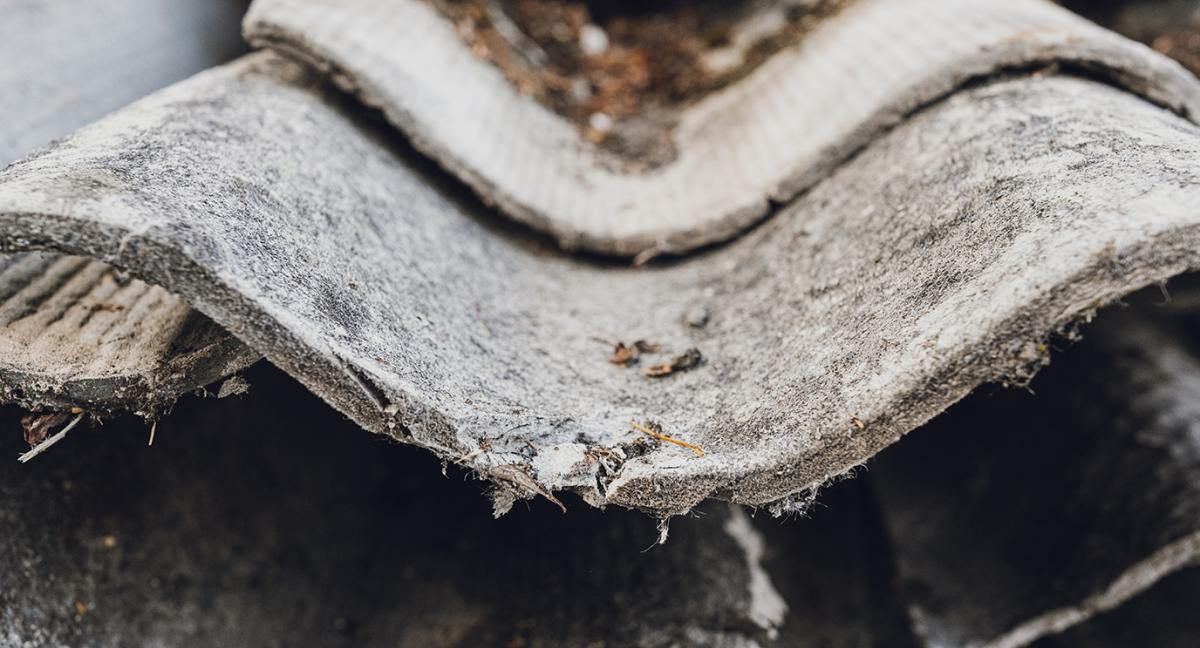
Garage roofs are one of the most common places where homeowners encounter cement-based roofing sheets, particularly on older properties. From the outside, many of these materials look very similar, which can make it difficult to tell whether a garage roof contains asbestos or is made from a modern, non-asbestos fibre cement alternative. Understanding the key differences is important, especially before carrying out repairs, replacement, or demolition work.
Asbestos cement was widely used in garage roofs for decades due to its durability, fire resistance, and low cost. While the use of asbestos in construction materials was eventually banned, many garages still retain original roofing sheets. Modern fibre cement products are designed to look similar but are manufactured using safer, asbestos-free fibres. Knowing how to differentiate between the two can help you avoid unnecessary disturbance and take the right next steps.
Why Garage Roofs Commonly Contain Asbestos Cement
Asbestos cement sheets were a popular roofing material for garages, sheds, and outbuildings throughout much of the 20th century. They were lightweight, weather-resistant, and easy to install, making them ideal for domestic garages and prefabricated buildings. These sheets typically consist of cement reinforced with asbestos fibres, which helped improve strength and longevity.
Garage roofs made from asbestos cement are most commonly found on properties built before the late 1990s. The sheets were often corrugated and fixed to a timber or metal framework using hook bolts or capped fixings. Over time, exposure to weather can cause the surface to become brittle, moss-covered, or cracked, particularly along the edges and fixing points.
Non-asbestos fibre cement roofing was introduced as a safer alternative once the health risks associated with asbestos became widely recognised. These newer products use fibres such as cellulose or synthetic materials instead of asbestos. Visually, they can look almost identical to older asbestos cement sheets, which is why confusion is so common.
While age is an important indicator, it is not a guarantee. Some garages have had roofs replaced, while others may still retain original materials beneath newer coatings or repairs. This is why visual inspection alone is rarely enough to be certain.
Key Differences Between Asbestos and Non-Asbestos Fibre Cement
One of the most noticeable differences lies in the age and condition of the material. Asbestos cement garage roofs often show signs of long-term weathering, such as surface erosion, lichen growth, and a chalky or rough texture. In contrast, non-asbestos fibre cement sheets tend to have a smoother, more uniform finish, particularly when relatively new.
Another difference can sometimes be seen along broken edges or cut sections. Asbestos cement often has a dense, fine-grained appearance, sometimes with fibres embedded within the cement matrix. Non-asbestos fibre cement may appear more layered or fibrous, depending on the product used. However, these differences are subtle and not always visible without damaging the material, which should be avoided.
The fixings and installation style can also provide clues. Older asbestos garage roofs commonly use hook bolts and oversized washers, whereas newer fibre cement roofs may be installed using modern fixings or profiles designed to comply with current building standards. Again, this is only an indicator and not a definitive method of identification.
It is also worth noting that many non-asbestos fibre cement products were intentionally designed to resemble older asbestos sheets, particularly for use in replacement projects. As a result, appearance alone is not a reliable way to confirm whether asbestos is present.
If you are unsure, the safest approach is to assume the material may contain asbestos and avoid disturbing it. For homeowners asking themselves, “does my garage roof contain asbestos?”, professional testing is the only way to be certain.
Why Testing Is the Only Reliable Method
Although there are visual clues that can raise suspicion, there is no guaranteed way to differentiate asbestos cement from non-asbestos fibre cement without laboratory analysis. Asbestos fibres are microscopic and cannot be identified with the naked eye. Testing involves taking a small sample under controlled conditions and having it analysed by a UKAS-accredited laboratory.
Attempting to break, drill, or sand roofing sheets to inspect them more closely can release asbestos fibres into the air if the material does contain asbestos. This increases the risk of exposure and contamination, particularly in enclosed spaces such as garages.
If asbestos is confirmed, the material can often remain in place if it is in good condition and unlikely to be disturbed. Where removal is required, it should be carried out in accordance with relevant safety regulations, with appropriate controls in place to minimise fibre release.
Making the Right Decision for Your Garage Roof
Garage roofs are one of the most common locations where asbestos cement is still found, but modern fibre cement alternatives can look almost identical. While age, condition, and installation details can help build a picture, they are not enough on their own to confirm whether asbestos is present.
Taking a cautious approach and arranging professional testing where there is any uncertainty allows homeowners to make informed decisions about maintenance, replacement, or removal. This not only reduces health risks but also helps ensure any work is carried out safely and in line with current regulations.