How To Turn Website Visitors Into Paying Customers: A CRO Checklist

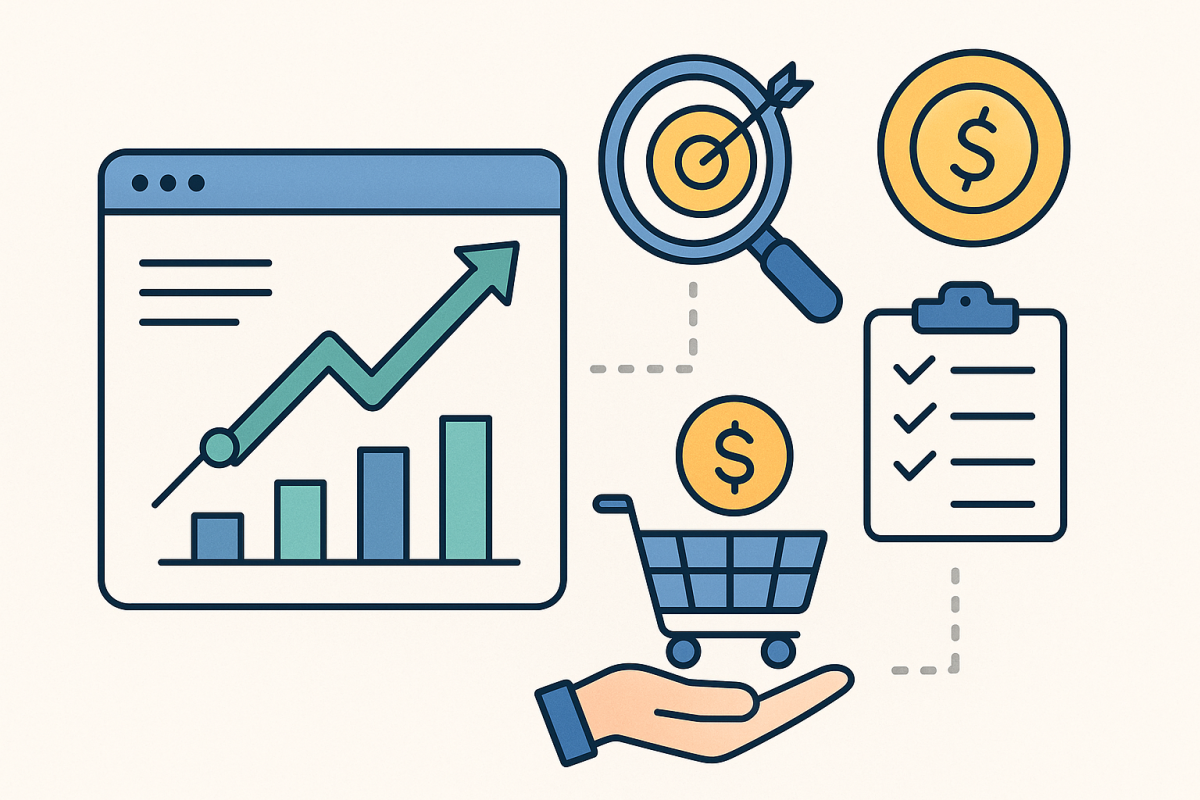
This implies that visitors come, scroll a bit, and leave your site right away without signing up, clicking a button, or making a purchase. It’s a big loss for any business.
This is where conversion rate optimisation comes in. It helps you to make small changes to your website that lead to big results. It helps turn more visitors into real, paying customers.
Think of it like this: if 100 people visit your site and only 2 buy something, CRO helps you get 5, 10, or even more people to buy without needing more traffic.
Scroll down and explore a simple and step-by-step CRO checklist. It covers everything from clear headlines and fast loading speeds to trust signals and better call-to-action buttons. In the end, you will know how this CRO checklist will help you turn more visitors into paying customers. Let’s dive in!
Top CRO Checklist for Turning Website Visitors into Loyal Customers
Understand Your Audience
You must understand who you are selling to before you sell your products. That is why you need to know your audience.
Ask individuals questions regarding what they do and do not like about your site. You can use surveys to ask questions. Or use heatmaps and session recordings to see where people click, scroll, or get stuck.
You can even create buyer personas. These are the profiles of your ideal customers, such as what they do, what they need, and the problems they want to solve.
Also, look for their pain points (what’s hard for them) and motivations (what they want). This will help you know what matters the most for them.
When you completely know your audience, you can easily build a site they trust and love. And when people feel understood, they’re more likely to buy.
Optimise Website Speed & Performance
People don’t want to wait for too long, especially online. When it happens, people will abandon your site immediately because of a slow-loading web page. A slow website means lost customers.
That’s why speed matters. When a website loads fast, it makes people happy and helps you get more sales.
Use Google PageSpeed Insights and GTmetrix tools to check the speed of your website. These tools show what’s slow and how to fix it.
Some easy fixes include:
- Image optimisation: Make images smaller without losing quality.
- Caching: Store parts of your site so it loads faster next time.
- Content Delivery Network: Show your website from the closest server to the visitor.
- Minimal redirects: Fewer jumps mean faster loading.
A quick site gives users a better experience. And happy visitors are more likely to buy.
Improve Website UX & Navigation
A site must be convenient, should be browsed easily, and should load quickly.
Construct a clear and simple layout, such that the visitor is aware of where to go and what to do immediately. They may abandon your site immediately when the layout appears messy or confusing.
Make sure your website works well on all small devices. This is called mobile responsiveness. Many users browse and visit a website on their phones. So everything should fit and work properly on small screens.
Use easy CTAs that can be found easily by the users, like “Buy Now” or “Get Started.” These buttons help guide people to take action. They should be bold, clear, and in the right spot.
Also, remove those things that slow people down. Long forms, too many clicks, or hidden menus make things harder. This is called reducing friction.
Good UX and navigation are at the heart of the best Website design, helping users move easily through your site. When it’s simple and smooth, more people complete actions, and that means more results for you.
Craft High-Converting Landing Pages
A landing page is a page that is made particularly for people to take action. It includes actions like signing up or buying something.
Start with a strong headline that tells users what they will get and how it helps them. It should be short, clear, and full of benefits.
Use persuasive copy that shows the value of your offer. Tell people why it matters and how it solves their problem.
Add social proof, such as testimonials and case studies, to your site. When people see that others had a good experience, they trust you more.
Keep the page simple and focused. Remove those things that you don't need, like extra links, too many boxes, or long forms. This keeps people from getting distracted.
Every word, button, and image should lead to one clear action.
A good landing page is clean, clear, and full of reasons to say “yes.” That’s how you can turn visitors into customers.
Use Effective Call-to-Actions (CTAs)
A CTA allows individuals to understand what step they should take. This includes actions such as Buy Now or Sign Up.
Use specific and action words that are clear and easy to understand. Say what the person will get when they click. For example, “Start Free Trial” sounds better than just “Submit.”
Place CTAs where people can see them easily. One CTA can be added to the top of the page, a few in the middle, and one at the bottom of your content. This assists users in acting when they are ready.
Use bright, bold colours that help you to stand out from the rest of the page. Try A/B testing, where you can make two different versions of your CTA. This helps you to see which version works best. Small changes can make a big difference and help you to turn visitors into loyal customers.
Leverage Trust Signals
People only buy when they feel safe and sure. That’s why trust signals are so essential on your website.
Start by showing security badges, like SSL or trusted payment logos. These tell visitors that their info is safe.
Add testimonials and case studies on your website. The users will be more willing to purchase when they notice that other users had a positive experience.
Show any media mentions, awards, or certifications. These prove that your business is real and respected.
You can even offer a money-back guarantee to the users. This gives confidence to people since they feel that they can reclaim their money in case they are dissatisfied.
All of these signals help you to build trust. And when people have trust in your site, they tend to act more.
Simplify the Checkout Process
A checkout should be fast and easy. If it takes too long, people may leave without buying.
Start by offering a guest checkout option. This lets people buy without making an account. It saves time and keeps things simple.
Keep the checkout form short. Only ask for the info you need. Fewer form fields mean faster checkouts.
Offer customers different ways to make payments. It makes it easy for the customers to choose what works best for them.
Use exit-intent popups to stop people from leaving their cart. These pop-ups can offer help or a small discount to keep them interested.
A smooth, fast checkout helps turn more visitors into buyers. Make it simple, and more people will finish their purchase.
Implement A/B Testing & Continuous Improvement
In order to improve your site, you must experiment with what is effective and what is not. This is referred to as A/B testing.
Test one thing at a time, like headlines, buttons (CTAs), colours, or page layouts. Create two different versions for visitors and see which one gets more clicks or sales.
Google Optimise or Optimisely are tools to run such tests with ease. These tools will assist you in monitoring the activities of people on both versions of the site.
After the test, look at the data. See which version worked best. Then, make changes based on what you learn.
Continue to test your site and CRO to enhance it as time goes on. Small changes can lead to big results.
A/B testing helps you know what your visitors like. And when your site gets better, more people buy.
Conclusion
Turning visitors into paying customers doesn’t have to be hard. With the right steps, your website can do much better.
Start by knowing your audience. Then, make your site fast, easy to use, and full of trust signals. Use strong headlines, clear buttons, and simple checkouts to guide people the right way.
Don’t forget to test what works best and keep improving over time.
This CRO checklist is your easy guide that will help more people stay on your website.
Keep it simple and innovative. And watch your visitors turn into happy customers!