How Well Does Crown Hair Transplant Integrate With Current Hair?

Hair loss is a common concern affecting millions worldwide, and the crown area is one of the most challenging regions to restore naturally. Achieving seamless integration with existing hair requires advanced techniques, careful planning, and skilled hands. A crown hair transplant offers a transformative solution for individuals seeking a fuller, natural look. When considering hair restoration, many wonder how effectively the transplanted hair will blend with the existing strands. Crown Hair Transplant in Dubai has become a highly sought-after procedure, renowned for its precision and natural outcomes. Our experienced surgeons specialize in crown hair transplants, ensuring every graft is carefully placed to harmonize with your natural hair flow.
Understanding the Crown Area
The crown, or vertex, is the circular area at the back of the head, often the first to show signs of thinning in both men and women. Unlike other regions, the crown has a complex growth pattern, with hair spiraling outward from a central point. This unique orientation makes achieving a natural look more challenging.
Key characteristics of the crown area include:
Circular or spiral hair growth pattern
Gradual thinning over time
Less dense compared to the frontal scalp
Requires precise angling during transplantation
How Transplanted Hair Integrates With Existing Hair?
Integration depends on several factors, including hair density, graft placement, and the skill of the surgeon. During a crown hair transplant, individual follicular units are harvested and strategically placed to mimic natural hair growth.
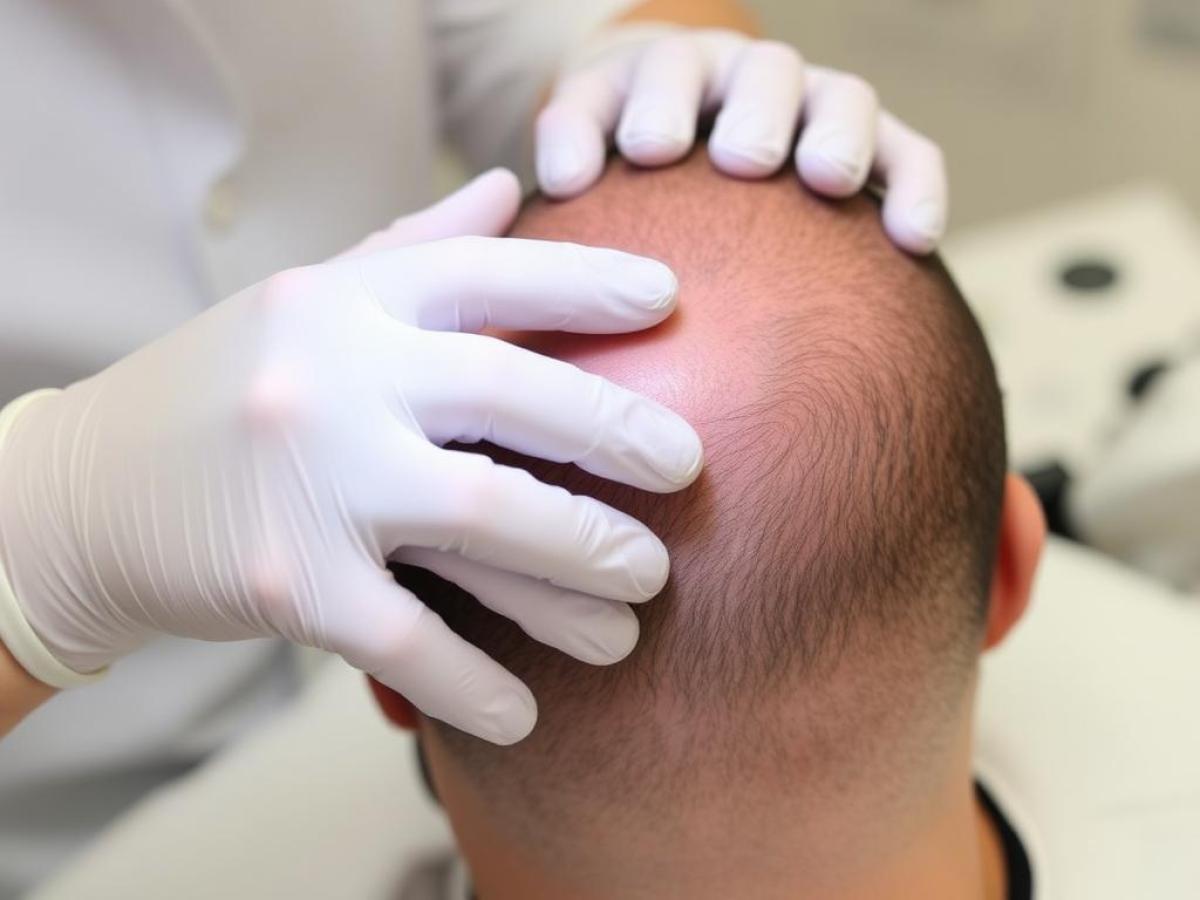
Dynamic Life Clinics’ specialists focus on:
Matching hair direction and angle
Blending thickness with existing strands
Gradually increasing density toward thinning zones
Maintaining the natural spiral pattern
The Role of Donor Hair Quality
The success of a crown hair transplant heavily relies on the quality of donor hair. Donor follicles are usually taken from the back or sides of the scalp, where hair is genetically resistant to hair loss. These grafts are robust and capable of lifelong growth when transplanted.
Benefits of high-quality donor hair include:
Stronger, durable growth
Consistent texture and thickness
Natural blending with existing hair
Minimal risk of unnatural appearance
Advanced Transplant Techniques
Modern techniques have revolutionized crown hair transplantation. The most commonly used methods include Follicular Unit Extraction (FUE) and Follicular Unit Transplantation (FUT).
FUE: Individual follicles are extracted and transplanted with precision. Minimal scarring ensures a natural hairline and crown pattern.
FUT: A strip of scalp is removed, and follicular units are dissected for transplantation. This method is suitable for larger areas requiring high-density restoration.
Importance of Graft Placement
Correct placement is essential for natural-looking results. Each follicular unit must follow the natural direction and angle of surrounding hair. Misaligned grafts can create an artificial appearance.
Key aspects of precise graft placement include:
Mimicking natural spiral growth
Aligning with the density of surrounding hair
Ensuring gradual transitions between transplanted and existing hair
Avoiding abrupt changes in hair direction
Achieving Natural Density
Density plays a crucial role in the visual success of a crown hair transplant. The goal is to enhance the area without making the transplanted hair look overcrowded or sparse.
Tips for achieving natural density:
Gradual layering of grafts
Thinning out excess donor hair if necessary
Targeting high-need areas first
Maintaining consistent spacing between follicles
Recovery and Hair Growth
Post-transplant, transplanted hair typically falls out within the first few weeks—a normal part of the hair growth cycle. New hair begins to grow gradually over 3–6 months, with full results visible in 12–15 months.
Recovery highlights:
Minimal downtime with modern techniques
Natural growth that blends with existing hair
Low maintenance once fully grown
Long-lasting, permanent results
Role of Doctors’ Expertise
The success of crown hair transplantation relies heavily on the surgeon’s skill and specialization. At Dynamic Life Clinics, our hair restoration specialists have years of experience in crown procedures, ensuring precision and artistry in every transplant.
Our team’s expertise ensures:
Customized treatment plans for each patient
Harmonious integration with current hair
Natural, aesthetically pleasing results
Advanced techniques tailored to hair type and pattern
Conclusion
Crown hair transplants are a reliable and effective solution for hair thinning at the vertex. When performed by experienced professionals, the transplanted hair integrates flawlessly with existing hair, following natural growth patterns and maintaining density. Our specialized team ensures every patient receives a tailored approach, combining advanced techniques and meticulous attention to detail. The outcome is natural, durable, and confidence-boosting—restoring not just hair but a sense of vitality and self-esteem. With proper care and expert execution, a crown hair transplant offers a lasting solution that merges seamlessly with your current hair, creating a full, natural, and aesthetically pleasing crown.