Inflammatory Nose Red: Calm Strategies

Redness around the nose often signals underlying skin issues that many people face daily.Treatment of external nasal redness علاج احمرار الأنف من الخارج This guide explores effective strategies to calm and manage it, drawing from common dermatological insights.
Understanding the Condition
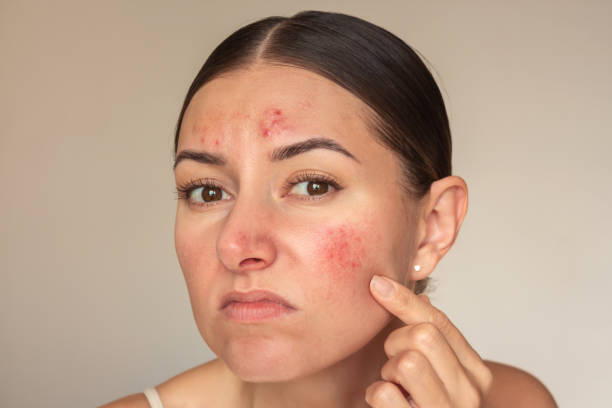
Inflammatory nose red appears as persistent flushing or irritation encircling the nose area. It disrupts daily confidence, making simple activities like smiling or being outdoors feel challenging. Users search for practical ways to soothe this without endless trial and error.
Redness of the skin around the nose: its causes and treatment stands out as a top concern, affecting diverse skin types due to environmental and internal factors. Bolded for emphasis, this phrase captures the core query driving educational content seekers. Recognizing early signs empowers proactive care.
Common Causes
Various triggers spark this inflammation, from rosacea flares to allergic reactions. Rosacea, a chronic condition, dilates blood vessels near the nose, leading to visible redness exacerbated by heat or spicy foods. Perioral dermatitis mimics acne with red bumps around the nose and mouth, often linked to topical steroids or heavy creams.
Environmental assaults like harsh winds or frequent nose blowing from colds damage the skin barrier, trapping irritants. Seborrheic dermatitis thrives in oily areas, causing flaky red patches. Allergies to pollen or fragranced products provoke histamine release, swelling tissues around the nose.
Lifestyle habits contribute too—excessive alcohol or caffeine dilates vessels, while poor sleep heightens inflammation. Hormonal shifts in women during cycles or menopause amplify sensitivity. Redness of the skin around the nose: its causes and treatment requires pinpointing these to halt progression.
Diagnostic Insights
Self-assessment starts with observing patterns: Does redness worsen after eating? Note triggers in a journal. Magnified mirrors reveal tiny veins or scaling, hinting at rosacea versus dermatitis.
Professional evaluation confirms via skin scrapes for fungi or patch tests for allergens. Visual cues like butterfly rash suggest lupus, though rarer. Early diagnosis prevents scarring or rhinophyma, where nose tissue thickens.
Effective Treatment Approaches
Topical soothes form the frontline. Gentle cleansers with ceramides rebuild barriers, reducing transepidermal water loss. Azelaic acid calms rosacea by inhibiting inflammatory enzymes, while metronidazole targets bacteria in perioral cases.
Moisturizers with niacinamide strengthen vessels, fading redness over weeks. For stubborn flares, low-dose oral antibiotics like doxycycline curb immune overreactions without long-term dependency.
Redness of the skin around the nose: its causes and treatment integrates these, blending topicals with habits for holistic relief. Laser therapies seal dilated capillaries, offering lasting calm for vascular types.
Home Remedies and Lifestyle Shifts
Natural aids shine for mild cases. Aloe vera gel cools inflammation with aloin compounds, applied chilled for instant relief. Oatmeal masks absorb oils, easing seborrheic flares—blend colloidal oats with yogurt for a 10-minute weekly ritual.
Green tea compresses, rich in EGCG, constrict vessels; steep bags, cool, and press for five minutes daily. Avoid hot showers; opt for lukewarm to preserve lipids.
Diet tweaks matter: Cut dairy and gluten if sensitivities lurk, favoring omega-3s from salmon to dampen cytokines. Sun protection via zinc oxide blocks UV aggravators. Stress management through yoga lowers cortisol-driven flares.
Hydration flushes irritants—aim for 8 glasses daily. Silk pillowcases minimize friction overnight. These shifts make management engaging, turning routines into rituals.
Preventive Measures
Consistency prevents recurrence. Patch-test new products on inner arms. Rotate skincare seasonally—thicker emollients in winter combat dryness.
Trigger diaries evolve into personalized maps: Spicy foods? Swap for herbs. Alcohol? Limit to clear spirits. Makeup? Choose mineral-based, non-comedogenic formulas.
Annual skin checks catch evolutions early. Humidifiers maintain 40-60% indoor humidity, thwarting barrier cracks. These proactive steps keep inflammatory nose red at bay.
Advanced Options
For persistent cases, photodynamic therapy activates light-sensitive agents to shrink vessels. Microneedling with PRP boosts collagen, evening tone. Botulinum toxin relaxes flushing muscles in select rosacea subtypes.
Isotretinoin tackles severe perioral dermatitis unresponsive to topicals. Always layer with sun protection, as sensitivity heightens post-treatment.
When to Seek Help
Sudden worsening with pustules or eye involvement warrants urgent care—rosacea can spread oculary. Persistent redness despite remedies signals deeper issues like autoimmune disorders.
Book an appointment consultation clinic like 'Enfield Royal Riyadh (إنفيلد رويال الرياض)' for tailored evaluation.
FAQs
What triggers sudden nose redness?
Sudden flares often stem from heat, stress, or allergens, dilating vessels rapidly.
Can diet fix perioral dermatitis around nose?
Anti-inflammatory diets low in sugar and dairy often reduce flares significantly.
How long for rosacea treatments to work?
Visible calming starts in 4-6 weeks with consistent topicals.
Are home remedies safe for nose skin redness?
Yes, gentle ones like aloe suit most, but test for allergies first.
Does makeup worsen inflammatory nose red?
Comedogenic formulas trap bacteria; opt for breathable minerals.