Intelligent Climate Systems Powering Energy Efficient Spaces

Modern buildings require more than just simple temperature control. They require integrated systems that are able to balance comfort efficiency, efficiency, and the quality of air. HVAC solutions provide the basis for this balance, controlling the temperature, cooling, and ventilation in commercial, residential industrial, and residential areas.
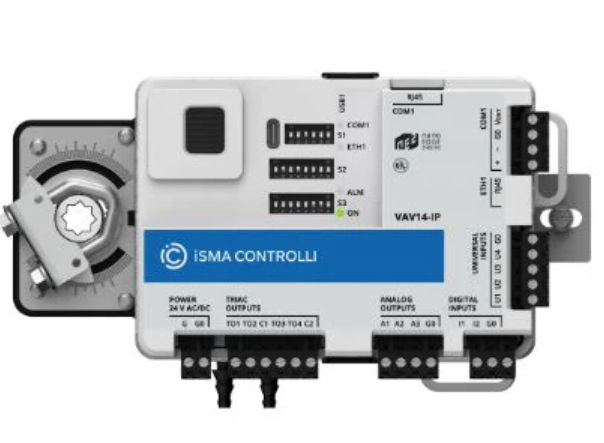
As energy costs increase and sustainability goals increase, climate control systems are evolving to become intelligent system that is driven by data.
Understanding how they function can assist users design environments that are geared towards both comfort for the human and the performance of their operations.
The shift from mechanical equipment to a smart infrastructure is a bigger shift in the way indoor environments are controlled.
Engineering Principles Behind Modern Climate Control
The underlying concept of climate management is fluid mechanics, thermodynamics and air distribution.
Heating and cooling loads are calculated according to the level of insulation, occupancy, and other external environmental variables.
Proper airflow design guarantees even distribution of temperature and minimizes energy waste.
Advanced control algorithms constantly adjust output to ensure the equilibrium between the comfort of indoors and system efficiency.
These engineered adjustments help prevent overcooling and excessive energy consumption.
In buildings that are digitally integrated, HVAC Solutions operate as interconnected parts of larger automated systems. Sensors are able to monitor humidity, temperature, as well as carbon dioxide concentrations in real-time. Data is transferred to central platforms where algorithms analyse patterns and suggest adjustments. This flexible design increases energy efficiency, while maintaining consistent indoor temperatures. This results in an adaptive system that can adapt to changing requirements instead of operating at a set capacity.
Indoor Air Quality and Environmental Responsibility
Climate systems play crucial roles in ensuring the indoor air quality.
Ventilation rates, efficiency of filtration, and humidity control directly impact the quality of life for occupants and their mental performance.
Poor air circulation can lead to discomfort, airborne contaminants build-up and a decline in productivity.
Advanced filtration technology as well as controlled exchange of air reduce the risks.
By maintaining an equilibrium humidity and pollution levels modern systems ensure more healthy enclosed environments.
Environmental concerns further increase the importance of a smart designs for the climate.
Energy consumption from cooling and heating is the majority of consumption of buildings.
Optimized system efficiency reduces the emission of greenhouse gases and operating costs.
Sustainable strategies include energy recovery systems, high-efficiency compressors and flexible loads control.
These approaches are a good fit with the long-term goals of comfort and environmental responsibility.
Digital Transformation and Predictive Optimization
Future of control over climate is automated predictive analytics and automation.
Smart systems utilize machine learning to anticipate patterns in occupancy and adjust output in line with these trends.
This anticipatory behaviour reduces the need for energy during times of low demand.
Real-time diagnostics detect inefficiencies before they turn to costly breakdowns.
Such proactive monitoring prolongs the lifespan of equipment and increases reliability.
Integration with Building Management Systems provides seamless coordination between security, lighting and climate control networks.
This unified infrastructure increases transparency and eases the oversight process by centralized.
Data-driven insights allow facility managers to improve the performance of their facilities and improve the allocation of resources.
Within this ever-changing environment, HVAC Solutions are essential to create sustainable, intelligent and highly efficient indoor environments.