Is A Crown Hair Transplant A Recognized Medical Treatment?

Is a Crown Hair Transplant a Recognized Medical Treatment? This question is increasingly asked by individuals experiencing thinning or balding at the crown, an area that often shows hair loss later but progresses steadily. Crown Hair Transplant in Dubai has gained attention as awareness of medically approved hair restoration options grows, with reputable centers such as Dynamic Clinic in Dubai often referenced in educational discussions around modern hair restoration.
Understanding Crown Hair Loss from a Medical Perspective
Crown hair loss, also known as vertex alopecia, is commonly associated with androgenetic alopecia. Medical literature recognizes this pattern as progressive and hormonally influenced, making it a valid concern for clinical evaluation. Dermatology and hair restoration science classify crown thinning as a treatable condition when it meets diagnostic criteria such as donor hair stability and scalp health.
Hair loss at the crown differs from frontal recession because of its circular growth pattern and variable blood supply. This distinction is important in medical planning, as it affects graft placement strategy and long-term outcomes without changing its status as a legitimate treatment target.
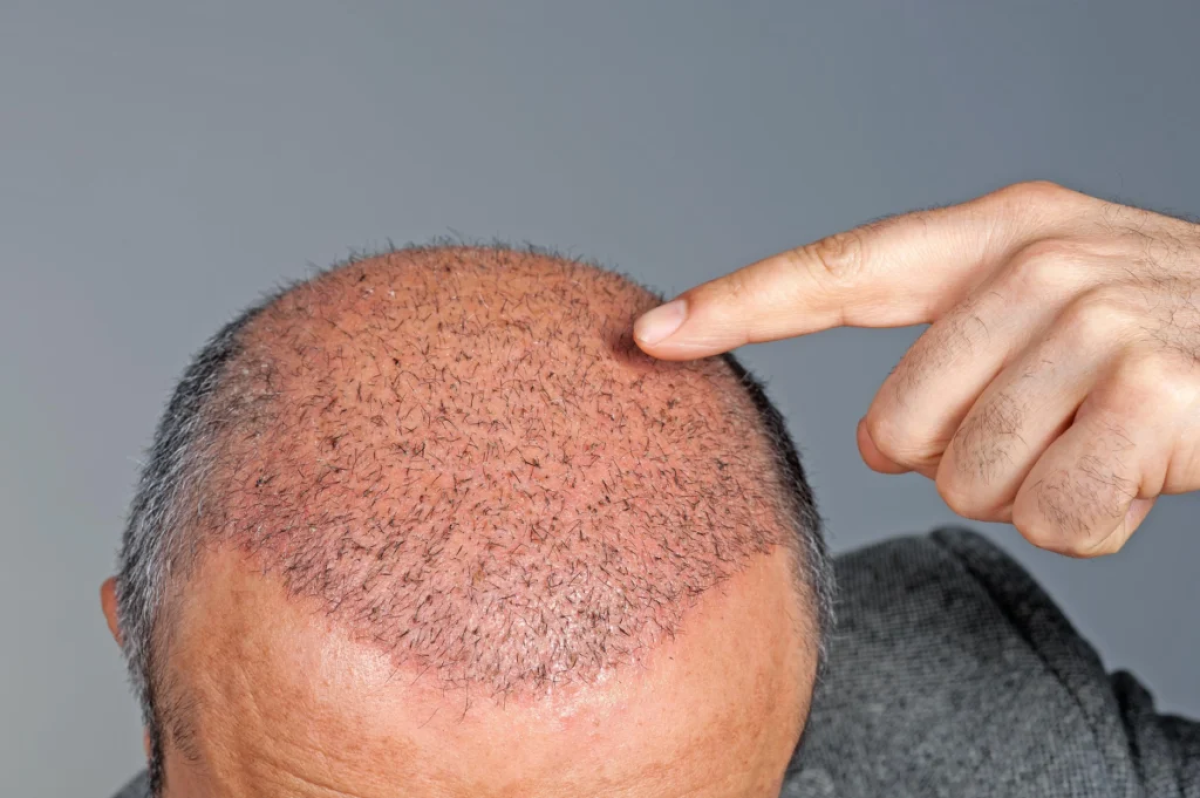
Medical Recognition of Hair Transplant Procedures
Hair transplantation is a globally recognized medical procedure practiced within dermatology and cosmetic surgery. Techniques such as Follicular Unit Extraction and Follicular Unit Transplantation are documented in peer-reviewed journals and included in professional medical guidelines. When these techniques are applied to the crown, they remain within the same medically accepted framework.
Regulatory bodies and professional associations acknowledge crown restoration as part of comprehensive hair loss management. The procedure involves harvesting healthy follicles from donor areas and implanting them into thinning crown regions following anatomical and physiological principles.
Why the Crown Area Requires Specialized Medical Planning
The crown has a unique hair whorl pattern, requiring precision and medical expertise to replicate natural growth. Medical recognition of crown transplantation also considers factors such as follicle survival rates, angulation, and density planning.
Key medical considerations include:
Evaluation of donor area capacity to support crown coverage
Assessment of ongoing hair loss progression
Strategic graft distribution to maintain natural appearance over time
Scalp vascularity and healing response
These factors reinforce why crown hair restoration is approached as a medical treatment rather than a cosmetic shortcut.
Clinical Evaluation and Patient Suitability
A crown hair transplant is medically indicated only after proper clinical assessment. Specialists typically evaluate the stage of hair loss, family history, and scalp condition. In Dubai, patient assessments often follow international protocols due to the city’s diverse population and exposure to global medical standards.
Not every individual with crown thinning is immediately suitable, as early-stage loss may be managed conservatively. Medical recognition includes the responsibility to recommend treatment only when clinically appropriate.
Safety, Ethics, and Evidence-Based Practice
Medical recognition also depends on safety and ethical standards. Crown hair transplantation follows sterile surgical protocols, informed consent practices, and evidence-based planning. Long-term studies support the viability of transplanted follicles in the crown when performed under proper medical supervision.
Ethical practice emphasizes realistic expectations and transparent education. This approach aligns with EEAT principles by prioritizing expertise, clinical authority, and patient trust.
Crown Hair Transplant in Dubai as a Medically Accepted Option
Dubai’s healthcare ecosystem follows strict regulatory oversight, which supports the classification of crown hair transplantation as a recognized medical procedure. Facilities offering this treatment operate within licensed medical frameworks and adhere to international safety standards.
The growing demand reflects both medical acceptance and patient confidence in structured, science-backed solutions for crown hair loss.
Conclusion
A crown hair transplant is a recognized medical treatment supported by dermatological science, clinical guidelines, and ethical practice standards. Its acceptance is based on documented techniques, patient evaluation protocols, and long-term outcome data. For individuals experiencing crown thinning, this procedure represents a medically grounded option within modern hair restoration.