Is Beard Hair Transplant Good For Uneven Beard Correction?

A well-defined beard is often considered a symbol of masculinity and style, yet many men struggle with uneven beard growth or patchy areas. In recent years, the demand for targeted solutions has surged, leading to advanced procedures for enhancing facial hair. One of the most effective options is a beard hair transplant. Men seeking natural and permanent results are increasingly turning to this solution. Specifically, Beard Hair Transplant in Dubai has emerged as a trusted method for correcting uneven beard patterns while ensuring a natural look and feel. With expert doctors skilled in facial hair restoration, achieving a fuller, uniform beard has become more accessible than ever.
Understanding Uneven Beard Growth
Uneven beard growth can result from genetics, hormonal factors, or natural hair density differences. Some men may notice sparse patches on the cheeks, jawline, or chin, while others struggle with asymmetrical patterns. A beard hair transplant addresses these concerns by strategically placing grafts to fill in gaps and balance density. The procedure focuses on enhancing the natural direction and angle of hair growth, ensuring that the result looks authentic and seamless.
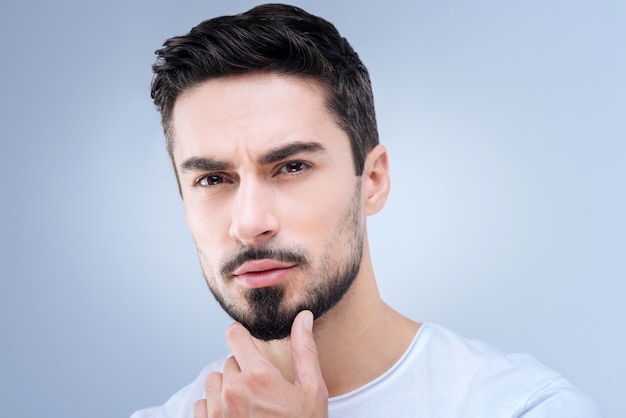
Why Beard Hair Transplant Works for Patchy Areas?
Beard hair transplant is specifically designed to treat patchy or uneven beard areas. By harvesting hair follicles from donor sites, usually the back of the scalp, and implanting them into target areas, the procedure ensures lasting results. The transplanted hairs grow naturally over time, blending perfectly with existing facial hair. This method offers a customized solution, where every graft is placed to match the natural contour of the face, correcting unevenness effectively.
Expertise Matters: Specialized Doctors
The success of a beard hair transplant relies heavily on the competency and specialization of the doctors performing the procedure. Skilled surgeons assess facial structure, hair direction, and density requirements to achieve a symmetrical result. Their extensive experience in facial hair restoration ensures that each patient receives personalized treatment, producing natural-looking outcomes that enhance overall appearance.
Benefits of Correcting Uneven Beard
A beard hair transplant not only fills in patchy areas but also boosts confidence and aesthetic appeal. Men who have struggled with uneven growth can enjoy a uniform and fuller beard. The procedure allows for a more defined jawline and balanced facial symmetry. Moreover, the results are long-lasting, giving men the freedom to style their beard without worrying about gaps or inconsistencies.
Achieving Natural Results
Placement of grafts follows the natural hair growth pattern.
Hair angle and direction are carefully aligned.
Density is adjusted for a uniform look.
Fine hairs are used for blending in delicate areas.
Customized design ensures suitability to face shape.
Suitable Candidates for Uneven Beard Correction
Not every individual is an ideal candidate for a beard hair transplant. Those with sufficient donor hair and realistic expectations tend to achieve the best outcomes. Candidates should have healthy scalp hair to ensure optimal graft survival. Additionally, men seeking to correct asymmetry or sparse areas benefit the most from the procedure, as it directly targets problem zones and restores balance.
Long-Term Maintenance and Growth
Transplanted beard hair grows like natural hair, requiring standard grooming routines such as trimming and shaping. Unlike temporary cosmetic methods, this solution provides permanent improvement. Regular care, including moisturizing and gentle exfoliation, helps maintain the health of the beard. Over time, the results continue to blend seamlessly with native hair, ensuring a consistent and robust appearance.
Advantages Beyond Aesthetics
Enhances facial symmetry.
Boosts self-confidence.
Provides permanent correction.
Allows styling freedom.
Tailored to individual facial structure.
How the Procedure is Personalized?
Each beard hair transplant is customized according to the individual’s facial features and growth patterns. Doctors carefully analyze the beard’s existing density, direction, and coverage to plan the placement of grafts. This personalized approach ensures a natural and balanced outcome, addressing all areas of uneven growth while maintaining the integrity of the original beard structure.
Recovery and Integration
Recovery from a beard hair transplant is typically straightforward. Post-procedure guidelines focus on protecting the grafts and supporting optimal growth. Over a few weeks, the transplanted hairs integrate fully, resulting in a uniform and natural beard. Most patients report minimal downtime, allowing them to resume normal activities quickly while enjoying progressive improvements in beard fullness.
FAQ's:
What is the ideal age for a beard hair transplant?
Most candidates are in their mid-20s or older, when facial hair growth patterns have stabilized.
How long does it take to see full results?
Transplanted hairs typically begin growing within a few months, with full results visible in 8-12 months.
Is the procedure painful?
Local anesthesia is used, making the procedure comfortable and manageable.
Can I shape my beard after the transplant?
Yes, once fully grown, the transplanted hair can be trimmed and styled like natural beard hair.
Will the transplanted hair fall out over time?
The transplanted hair is permanent and grows like natural facial hair, requiring standard maintenance.
Conclusion
Beard hair transplant is a highly effective solution for correcting uneven beard growth. With specialized doctors ensuring precise graft placement and natural outcomes, men can achieve fuller, symmetrical, and well-defined beards. This procedure not only addresses aesthetic concerns but also enhances confidence and facial balance, making it an ideal choice for anyone looking to perfect their beard. By targeting sparse and patchy areas, a beard hair transplant offers a long-lasting, natural-looking improvement that integrates seamlessly with existing facial hair.