Is Copper Water Really Backed By Science Or Just Ayurveda?

If you’ve spent any time exploring natural wellness trends, you’ve probably heard about drinking water stored in copper vessels. From social media reels to wellness blogs, copper water seems to be everywhere. But this raises an important question: is copper water genuinely supported by science, or is it simply an ancient Ayurvedic tradition making a modern comeback?
Let’s break it down in simple terms and explore what both Ayurveda and modern science have to say.
Where Did the Idea of Copper Water Come From?
The practice of storing drinking water in copper containers dates back thousands of years, especially in India. In Ayurveda, this water is known as Tamra Jal. Ancient texts suggest that copper-infused water helps balance the body’s three doshas - Vata, Pitta, and Kapha - which are believed to govern overall well-being.
Traditionally, water was stored overnight in copper pots and consumed in the morning. This wasn’t just a ritual; it was considered a way to naturally purify water and support daily health.
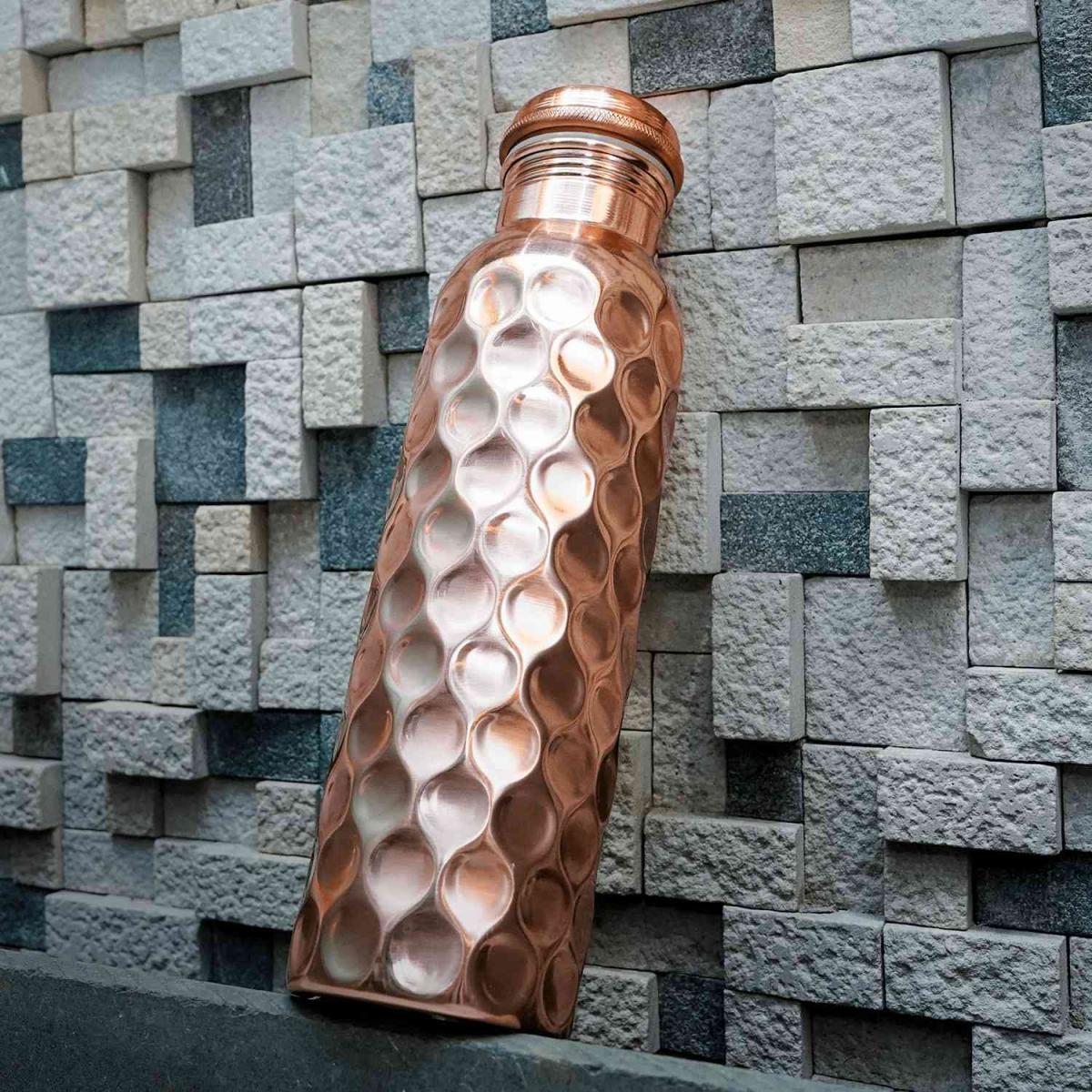
Fast forward to today, and the concept has evolved into sleek products like the Pure Copper Water Bottle, making this age-old habit easier to follow in modern lifestyles.
But does science agree with Ayurveda?
What Happens When Water Meets Copper?
When water is stored in copper for several hours, tiny amounts of copper ions leach into it. This process is completely natural. Copper is actually an essential trace mineral that our bodies need in small quantities for normal functions like forming red blood cells and maintaining nerve health.
The key phrase here is “small quantities.”
According to nutritional science, copper is already present in many everyday foods such as nuts, seeds, whole grains, and leafy greens. Drinking copper-infused water simply becomes another minor source of this mineral.
So from a scientific standpoint, copper water isn’t mysterious - it’s just water with trace amounts of copper.
The Science Behind Copper’s Antimicrobial Properties
One area where modern research strongly supports copper is its antimicrobial nature.
Multiple studies have shown that copper surfaces can kill certain bacteria and viruses on contact. This is why copper is sometimes used in hospital surfaces and water purification systems. When water is stored in copper containers, harmful microbes can be reduced over time.
This aligns beautifully with Ayurveda’s traditional belief that copper helps purify drinking water.
However, it’s important to be realistic. Copper water isn’t a replacement for proper filtration or boiling, especially in areas with unsafe water sources. Think of it as a supportive measure, not a complete solution.
Does Copper Water Offer Health Benefits?
This is where things get more nuanced.
Ayurveda attributes many benefits to copper water, including improved digestion, better immunity, and enhanced metabolism. Modern science, on the other hand, takes a more cautious approach.
While copper is essential for the body, there’s limited clinical evidence proving that drinking copper water alone leads to dramatic health improvements.
What science does confirm is:
- Copper supports enzyme function in the body
- It plays a role in iron absorption
- It contributes to connective tissue health
- It helps maintain normal immune function
These benefits come from copper as a nutrient - not specifically from copper water.
So while using a Pure Copper Water Bottle may help you meet trace copper needs, it shouldn’t be viewed as a miracle solution.
Can You Have Too Much Copper?
Yes - and this is an important point that often gets overlooked.
Too much copper can be harmful. Excess intake may cause nausea, stomach discomfort, or other issues. That’s why moderation matters.
Most wellness experts recommend storing water in copper for 6–8 hours (often overnight) and drinking it once or twice a day - not using copper-stored water for every sip.
Also, always make sure your bottle is made from genuine, food-grade copper and is properly cleaned. A high-quality Pure Copper Water Bottle ensures you’re getting the benefits without unwanted contaminants or coatings.
Ayurveda vs Science: Do They Really Conflict?
Not necessarily.
Ayurveda focuses on holistic balance and long-term lifestyle habits. Science focuses on measurable evidence and controlled studies. In the case of copper water, both perspectives meet somewhere in the middle.
Ayurveda introduced the practice based on observation and tradition. Science later confirmed copper’s antimicrobial properties and its role as an essential mineral.
Where they differ is in the scope of claims. Ayurveda often speaks broadly about overall wellness, while science prefers specific, proven outcomes.
Rather than choosing one over the other, many people today embrace both -respecting ancient wisdom while staying informed by modern research.
Why Copper Water Is Trending Again
So why is copper water suddenly popular?
Simple. People are moving toward natural, sustainable habits. Plastic bottles are being replaced by eco-friendly alternatives. At the same time, there’s growing interest in traditional wellness practices.
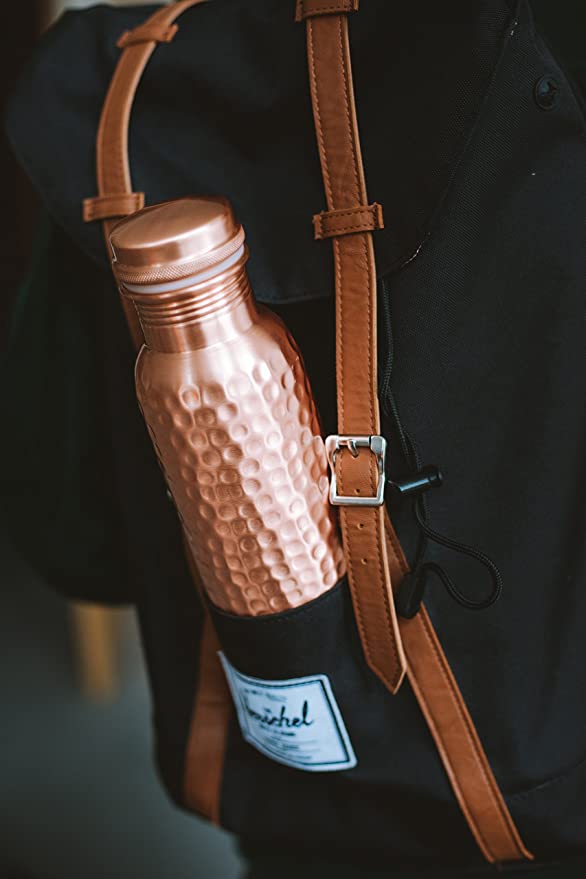
A Pure Copper Water Bottle fits perfectly into this lifestyle shift. It’s reusable, stylish, environmentally conscious, and rooted in centuries-old tradition.
Plus, there’s something satisfying about starting your day with a simple ritual that connects you to ancient practices.
How to Use Copper Water Safely
If you’re curious to try copper water, here are a few easy tips:
- Store drinking water in your copper bottle overnight
- Drink it in the morning on an empty stomach if it suits you
- Limit intake to once or twice daily
- Clean your bottle regularly using lemon and salt or vinegar
- Avoid storing acidic liquids like lemon water in copper
These small steps help you enjoy copper water responsibly.
Final Thoughts
So, is copper water backed by science or just Ayurveda?
The answer is: a bit of both.
Ayurveda laid the foundation centuries ago, and science has since validated some aspects - especially copper’s antimicrobial nature and nutritional importance. While copper water isn’t a magic cure, it can be a thoughtful addition to a balanced lifestyle when used correctly.
If you enjoy blending tradition with modern living, using a Pure Copper Water Bottle can be a simple way to stay hydrated while honoring ancient wisdom - just remember to keep expectations realistic and moderation in mind.
Sometimes, wellness isn’t about big changes. It’s about small, consistent habits that make you feel more connected to your daily routine.