Is Glass And Aluminium Works Sustainable?

Sustainability is becoming a crucial factor in the construction and architectural industries, prompting many businesses and homeowners to ask, “Is glass and aluminium works sustainable?” With modern cities like Dubai emphasizing eco-friendly solutions, evaluating the environmental impact of these materials is essential. Glass work in Dubai has gained popularity not just for aesthetics but also for its potential contribution to energy efficiency and long-term sustainability.
The Environmental Impact of Glass
Glass is often considered a sustainable material due to its recyclability and durability. Modern glass manufacturing techniques allow for energy-efficient production with reduced carbon emissions. Some of the key sustainability aspects of glass include:
Recyclability: Glass can be recycled indefinitely without losing quality, reducing landfill waste.
Energy efficiency: Double-glazed and coated glass panels improve insulation, reducing heating and cooling energy requirements.
Durability: Long-lasting glass installations reduce the need for frequent replacements, minimizing resource consumption.
In Dubai, where temperatures are high and cooling demands are significant, using energy-efficient glass can considerably reduce electricity usage and contribute to greener buildings.
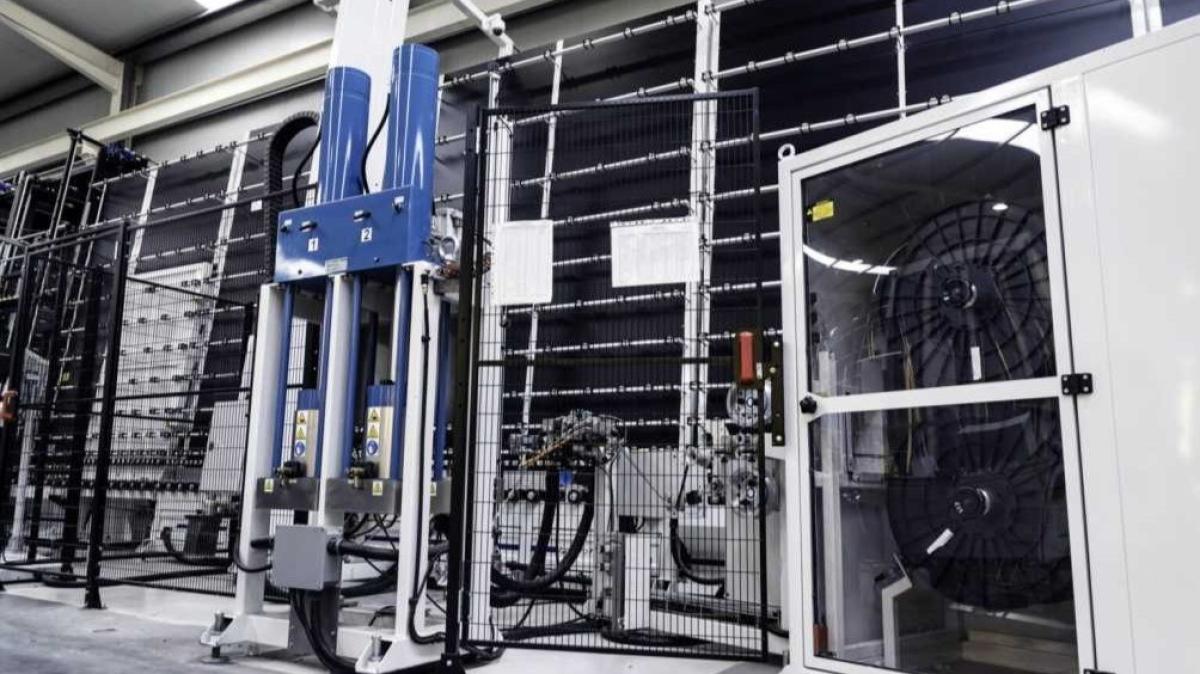
Aluminium: A Lightweight, Recyclable Choice
Aluminium is another material commonly paired with glass for windows, doors, and facades. It offers both structural strength and sustainability benefits:
Recyclable: Aluminium can be melted and reused repeatedly with minimal loss in quality.
Lightweight and strong: Reduces material usage for frames and structures while supporting large glass panels.
Energy efficiency in production: Modern techniques reduce the energy needed for smelting and shaping aluminium.
The combination of aluminium with glass not only creates sleek architectural designs but also supports sustainable construction practices in urban environments like Dubai.
Advantages of Glass and Aluminium Works for Sustainable Design
Using glass and aluminium together provides several sustainability benefits that extend beyond individual materials:
Natural light optimization: Large glass panels maximize daylight, reducing reliance on artificial lighting.
Thermal insulation: Aluminium frames with thermal breaks combined with insulated glass improve energy efficiency.
Longevity: Both materials are resistant to corrosion and weather damage, ensuring long-term performance.
Reduced waste: Fewer replacements mean less construction waste over the building’s lifecycle.
These advantages make glass and aluminium works a viable option for sustainable architecture projects in Dubai, aligning with the city’s green building initiatives.
Innovations Driving Sustainability in Glass and Aluminium Works
Technological advancements continue to enhance the sustainability of glass and aluminium applications:
Low-emissivity (Low-E) glass: Reduces heat transfer while allowing natural light, lowering cooling costs.
Recycled aluminium frames: Decrease energy consumption during manufacturing.
Smart glazing systems: Automatically adjust transparency to regulate indoor temperatures and lighting.
By adopting these innovations, construction companies and homeowners in Dubai can implement solutions that are both environmentally friendly and cost-effective.
Practical Tips for Choosing Sustainable Glass and Aluminium Solutions
When selecting materials for sustainable projects, consider the following:
Check for recycled content: Ensure aluminium frames and glass incorporate recycled materials.
Prioritize energy-efficient glass: Look for double or triple glazing with Low-E coatings.
Work with certified suppliers: Choose vendors specializing in sustainable glass work in Dubai.
Plan for longevity: Focus on designs that reduce maintenance and replacement frequency.
These steps help ensure that glass and aluminium installations contribute positively to environmental sustainability without compromising quality or aesthetics.
Economic and Social Benefits of Sustainable Glass and Aluminium Works
Sustainability in construction is not just about reducing environmental impact—it also offers economic and social advantages:
Lower energy bills: Energy-efficient glass and aluminium reduce heating and cooling costs.
Enhanced property value: Sustainable buildings attract eco-conscious buyers and tenants.
Reduced carbon footprint: Contributes to global efforts to fight climate change.
Comfortable living environments: Better insulation improves indoor comfort and air quality.
In Dubai’s rapidly developing real estate market, incorporating sustainable materials can set properties apart and support long-term urban sustainability goals.
Conclusion
Glass and aluminium works can be highly sustainable when designed and implemented correctly. From recyclable materials to energy-efficient solutions, these modern construction elements provide environmental, economic, and social benefits. Emphasizing quality, innovation, and longevity ensures that glass work in Dubai not only enhances architectural beauty but also supports eco-friendly and sustainable urban development.