Is Invisalign Better Than Braces?

Orthodontic treatment has evolved tremendously over the years, giving patients more options to achieve a perfect smile. One question many people ask is whether Invisalign is better than traditional braces. If you are exploring ways to straighten your teeth, whether for aesthetic or functional reasons, it’s important to consider all your options. For those looking for Dental Braces in Islamabad, understanding the differences between Invisalign and traditional braces is crucial in making an informed decision. This guide answers the most frequently asked questions about Invisalign and braces, helping you choose the treatment that best fits your lifestyle, budget, and dental needs.
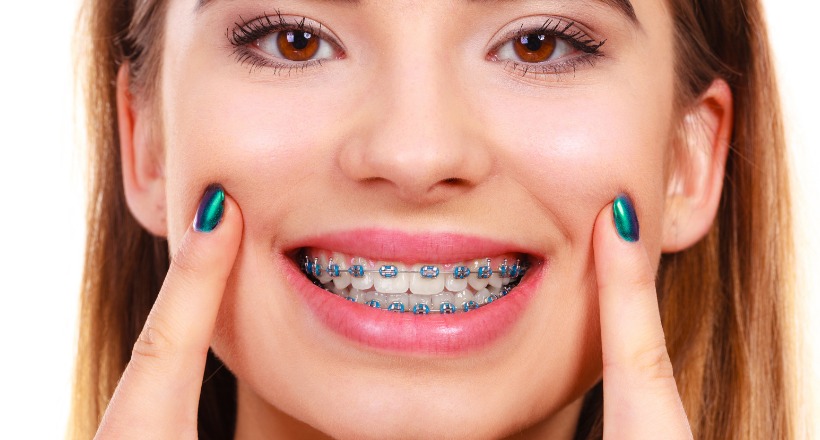
What is the Difference Between Invisalign and Traditional Braces?
Invisalign is a type of clear aligner system that uses a series of custom-made, removable trays to gradually shift teeth into proper alignment. Traditional braces, on the other hand, use metal brackets and wires fixed to the teeth to apply constant pressure over time.
Here are the main differences:
Feature
Invisalign
Traditional Braces
Appearance
Clear, nearly invisible
Metal or ceramic brackets, highly visible
Removability
Can be removed for eating, brushing, and flossing
Fixed, cannot be removed until treatment is complete
Comfort
Smooth plastic trays, less irritation to gums and cheeks
Metal brackets and wires can cause discomfort and sores
Cleaning
Easy to maintain oral hygiene
Requires careful brushing and flossing around brackets
Treatment Complexity
Best for mild to moderate misalignment
Can correct complex dental issues
Appointment Frequency
Every 6–10 weeks
Every 4–6 weeks
Who is a Good Candidate for Invisalign?
Not everyone is a candidate for Invisalign. While it is excellent for mild to moderate crowding, spacing issues, and minor bite problems, more complex cases may still require traditional braces.
Good candidates for Invisalign usually:
Have mild to moderate crooked teeth or gaps.
Are motivated to wear the aligners 20–22 hours per day.
Want a discreet orthodontic option.
Have no major jaw alignment problems.
If your dental issues are more severe, such as large bite discrepancies or impacted teeth, Dental Braces in Islamabad might be a better solution. A consultation with an orthodontist can determine which treatment is best for your unique case.
How Long Does Invisalign Treatment Take Compared to Braces?
Treatment duration varies depending on the severity of misalignment and patient compliance.
Invisalign: Most treatments take between 12 and 18 months. Mild cases may see results in as little as 6 months, while more complex cases may require up to 24 months.
Braces: Traditional braces typically require 18 to 36 months, though complex cases may extend further.
Because Invisalign aligners are removable, success largely depends on patient commitment. Wearing aligners less than recommended can prolong treatment significantly.
Which is More Comfortable – Invisalign or Braces?
Comfort is a major factor for many patients when choosing between Invisalign and braces.
Invisalign:
Made from smooth, BPA-free plastic.
Causes minimal irritation to cheeks and gums.
Pressure is applied gradually, leading to less soreness compared to braces.
Traditional Braces: Metal brackets and wires can cause irritation or ulcers inside the mouth. Adjustments every few weeks can cause temporary soreness.
Foods like popcorn or sticky candy can worsen discomfort.
Many patients who prioritize comfort and minimal interference with daily activities prefer Invisalign.
Can Invisalign Fix All Orthodontic Problems Like Braces?
Invisalign is versatile but not always suitable for complex cases. Here’s a breakdown:
Problem
Invisalign
Braces
Crowded teeth
Yes, mild to moderate
Yes, all severities
Gaps between teeth
Yes
Yes
Overbite/underbite
Mild cases only
All severities
Rotated teeth
Mild to moderate
Yes
Jaw misalignment
Limited
Yes
If your condition requires significant jaw adjustments, surgical intervention, or movement of multiple teeth simultaneously, traditional braces remain the gold standard.
How Do I Maintain Oral Hygiene With Invisalign and Braces?
Oral hygiene is easier with Invisalign because the aligners are removable. Simply brush and floss normally, and clean the aligners daily.
With braces, cleaning requires special attention:
Use interdental brushes to remove food around brackets.
Floss using threaders or orthodontic floss.
Avoid sticky or hard foods that can damage brackets.
Proper hygiene is crucial for both treatments to prevent tooth decay, gum disease, and staining. Orthodontic treatment has evolved tremendously over the years, giving patients more options to achieve a perfect smile. One question many people ask is whether Invisalign is better than traditional braces. If you are exploring ways to straighten your teeth, whether for aesthetic or functional reasons, it’s important to consider all your options. For those looking for Dental Braces in Islamabad, understanding the differences between Invisalign and traditional braces is crucial in making an informed decision. This guide answers the most frequently asked questions about Invisalign and braces, helping you choose the treatment that best fits your lifestyle, budget, and dental needs.
What is the Difference Between Invisalign and Traditional Braces?
Invisalign is a type of clear aligner system that uses a series of custom-made, removable trays to gradually shift teeth into proper alignment. Traditional braces, on the other hand, use metal brackets and wires fixed to the teeth to apply constant pressure over time.
Here are the main differences:
Feature
Invisalign
Traditional Braces
Appearance
Clear, nearly invisible
Metal or ceramic brackets, highly visible
Removability
Can be removed for eating, brushing, and flossing
Fixed, cannot be removed until treatment is complete
Comfort
Smooth plastic trays, less irritation to gums and cheeks
Metal brackets and wires can cause discomfort and sores
Cleaning
Easy to maintain oral hygiene
Requires careful brushing and flossing around brackets
Treatment Complexity
Best for mild to moderate misalignment
Can correct complex dental issues
Appointment Frequency
Every 6–10 weeks
Every 4–6 weeks
Who is a Good Candidate for Invisalign?
Not everyone is a candidate for Invisalign. While it is excellent for mild to moderate crowding, spacing issues, and minor bite problems, more complex cases may still require traditional braces.
Good candidates for Invisalign usually:
Have mild to moderate crooked teeth or gaps.
Are motivated to wear the aligners 20–22 hours per day.
Want a discreet orthodontic option.
Have no major jaw alignment problems.
If your dental issues are more severe, such as large bite discrepancies or impacted teeth, Dental Braces in Islamabad might be a better solution. A consultation with an orthodontist can determine which treatment is best for your unique case.
How Long Does Invisalign Treatment Take Compared to Braces?
Treatment duration varies depending on the severity of misalignment and patient compliance.
Invisalign: Most treatments take between 12 and 18 months. Mild cases may see results in as little as 6 months, while more complex cases may require up to 24 months.
Braces: Traditional braces typically require 18 to 36 months, though complex cases may extend further.
Because Invisalign aligners are removable, success largely depends on patient commitment. Wearing aligners less than recommended can prolong treatment significantly.
Which is More Comfortable – Invisalign or Braces?
Comfort is a major factor for many patients when choosing between Invisalign and braces.
Invisalign:
Made from smooth, BPA-free plastic.
Causes minimal irritation to cheeks and gums.
Pressure is applied gradually, leading to less soreness compared to braces.
Traditional Braces:
Metal brackets and wires can cause irritation or ulcers inside the mouth.
Adjustments every few weeks can cause temporary soreness.
Foods like popcorn or sticky candy can worsen discomfort.
Many patients who prioritize comfort and minimal interference with daily activities prefer Invisalign.
Can Invisalign Fix All Orthodontic Problems Like Braces?
Invisalign is versatile but not always suitable for complex cases. Here’s a breakdown:
Problem
Invisalign
Braces
Crowded teeth
Yes, mild to moderate
Yes, all severities
Gaps between teeth
Yes
Yes
Overbite/underbite
Mild cases only
All severities
Rotated teeth
Mild to moderate
Yes
Jaw misalignment
Limited
Yes
If your condition requires significant jaw adjustments, surgical intervention, or movement of multiple teeth simultaneously, traditional braces remain the gold standard.
How Do I Maintain Oral Hygiene With Invisalign and Braces?
Oral hygiene is easier with Invisalign because the aligners are removable. Simply brush and floss normally, and clean the aligners daily.
With braces, cleaning requires special attention:
Use interdental brushes to remove food around brackets.
Floss using threaders or orthodontic floss.
Avoid sticky or hard foods that can damage brackets.
Proper hygiene is crucial for both treatments to prevent tooth decay, gum disease, and staining.
Table of Quick Comparison: Invisalign vs Braces
Feature
Invisalign
Braces
Visibility
Nearly invisible
Highly visible
Comfort
Smooth plastic, less irritation
Can cause sores and discomfort
Removability
Yes
No
Treatment Duration
12–24 months
18–36 months
Ideal Cases
Mild to moderate misalignment
Mild to severe misalignment
Oral Hygiene
Easy
Requires extra care
Cost
Higher
Lower to moderate
Reviews – What Patients Say
Here’s what patients have shared about their experiences:
"I chose Invisalign because I wanted a discreet option for my office meetings. The aligners were comfortable, and I could eat anything I wanted. It was life-changing!"
"I had traditional braces as a teenager. They were uncomfortable at times, but they corrected my severe bite issues perfectly. I think it depends on the complexity of your teeth."
"I initially considered braces, but Invisalign seemed more convenient. Wearing them consistently was key, and my smile looks amazing now!"
Patient experiences show that both treatments are effective, but comfort and lifestyle considerations often guide the decision.
Contact Us
If you are considering orthodontic treatment in Islamabad, our clinic offers expert consultations to help you decide between Invisalign and Dental Braces in Islamabad. We provide personalized treatment plans based on your dental health, lifestyle, and goals.
Book Your Consultation Today:
Address : Office Number LG 20 - 21 Interlace Plaza I-8 Markaz Islamabad
Phone : +92 333 5705871
Email : info@glamorousclinic.com.pk
Link : https://www.glamorousclinic.com.pk/
Conclusion
Choosing between Invisalign and braces depends on multiple factors: the severity of misalignment, lifestyle preferences, budget, and comfort. Invisalign is ideal for adults seeking a discreet, comfortable solution for mild to moderate dental issues, while traditional braces are better suited for complex cases requiring precise correction. Both treatments are highly effective, and consulting with a qualified orthodontist ensures the best results for your smile.