Is Mesotherapy Considered Minimally Invasive?

Is Mesotherapy Considered Minimally Invasive? This question is increasingly common among people exploring modern aesthetic solutions that balance effectiveness with minimal downtime.
Mesotherapy in Dubai has gained attention for addressing skin, hair, and body concerns using targeted techniques, and it is often discussed in wellness and cosmetic circles, including advertorial references such as Dynamic Clinic in Dubai, due to growing local interest.
Understanding Mesotherapy as a Treatment Approach
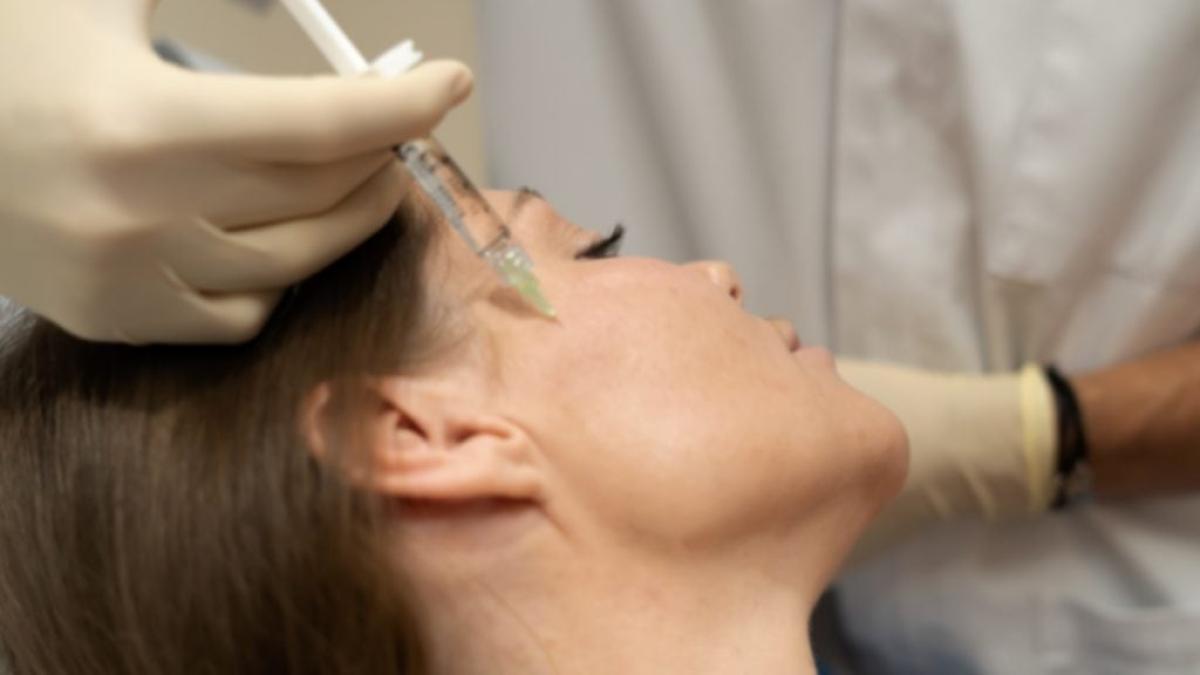
Mesotherapy is a technique that delivers active ingredients into the middle layer of the skin using very fine needles. The method was originally developed for medical purposes and later adapted for aesthetic applications. Unlike surgical procedures, it does not involve incisions or general anesthesia, which shapes how it is categorized in aesthetic medicine.
The treatment focuses on localized delivery rather than systemic exposure. This approach allows practitioners to work directly on the area of concern without altering surrounding tissues, which is a defining characteristic of minimally invasive care.
What Makes a Procedure Minimally Invasive?
In medical and aesthetic terms, a minimally invasive procedure typically involves limited penetration of the skin, reduced trauma to tissues, and faster recovery. Mesotherapy aligns with these principles because it avoids deep surgical intervention while still engaging the skin at a therapeutic level.
Key characteristics associated with minimally invasive procedures include:
Use of fine instruments or micro-needles
No requirement for stitches or extensive wound care
Short recovery periods with minimal disruption to daily life
Lower risk profile compared to surgical alternatives
Mesotherapy fits within this framework due to its controlled and superficial delivery method.
How Mesotherapy Works Within the Skin
The technique targets the mesoderm, the middle layer of the skin, where circulation, connective tissue, and cells responsible for regeneration are located. By placing nutrients, vitamins, or other formulated solutions directly into this layer, the treatment stimulates natural biological responses.
This localized stimulation can support skin revitalization, hair follicle nourishment, or body contouring support depending on the formulation used. The process remains focused on micro-level interaction rather than structural alteration of tissues.
Why Mesotherapy Is Often Classified as Minimally Invasive
Mesotherapy is widely regarded as minimally invasive because it bridges the gap between topical applications and surgical procedures. It goes beyond surface-level creams while stopping short of invasive surgery.
Factors contributing to this classification include:
Micro-injections that do not significantly damage tissue
No need for surgical tools or operating rooms
Typically brief sessions with limited aftercare requirements
These features make it appealing to individuals who want visible improvements without the commitment associated with invasive cosmetic procedures.
Mesotherapy in Dubai: Local Considerations
In Dubai, interest in minimally invasive aesthetic treatments reflects a lifestyle that values efficiency, subtle enhancement, and quick recovery. Mesotherapy fits well within this environment, offering an option that complements busy schedules and aesthetic awareness.
The climate, exposure to sun, and urban lifestyle factors often influence skincare and haircare choices in the region. Mesotherapy is discussed as one of the approaches that can be adapted to these local needs while maintaining a minimally invasive profile.
Safety and Professional Standards
When evaluating whether mesotherapy is minimally invasive, safety standards and professional application play an important role. Proper technique, sterile conditions, and appropriate patient assessment are essential to maintaining its low-impact nature.
Reputable aesthetic practices follow evidence-based protocols and prioritize patient education, which aligns with EEAT principles of expertise, experience, authoritativeness, and trustworthiness. This focus ensures that the procedure remains within the boundaries of minimally invasive care.
Conclusion
Mesotherapy is generally considered minimally invasive due to its use of micro-injections, targeted delivery, and absence of surgical intervention. Its growing presence in aesthetic discussions highlights a shift toward treatments that offer balance between efficacy and minimal physical impact. For individuals in Dubai seeking modern aesthetic options, mesotherapy continues to be recognized as a procedure that aligns with minimally invasive standards while supporting personalized cosmetic goals.