Is Port Wine Stain Treatment Painful For Children?

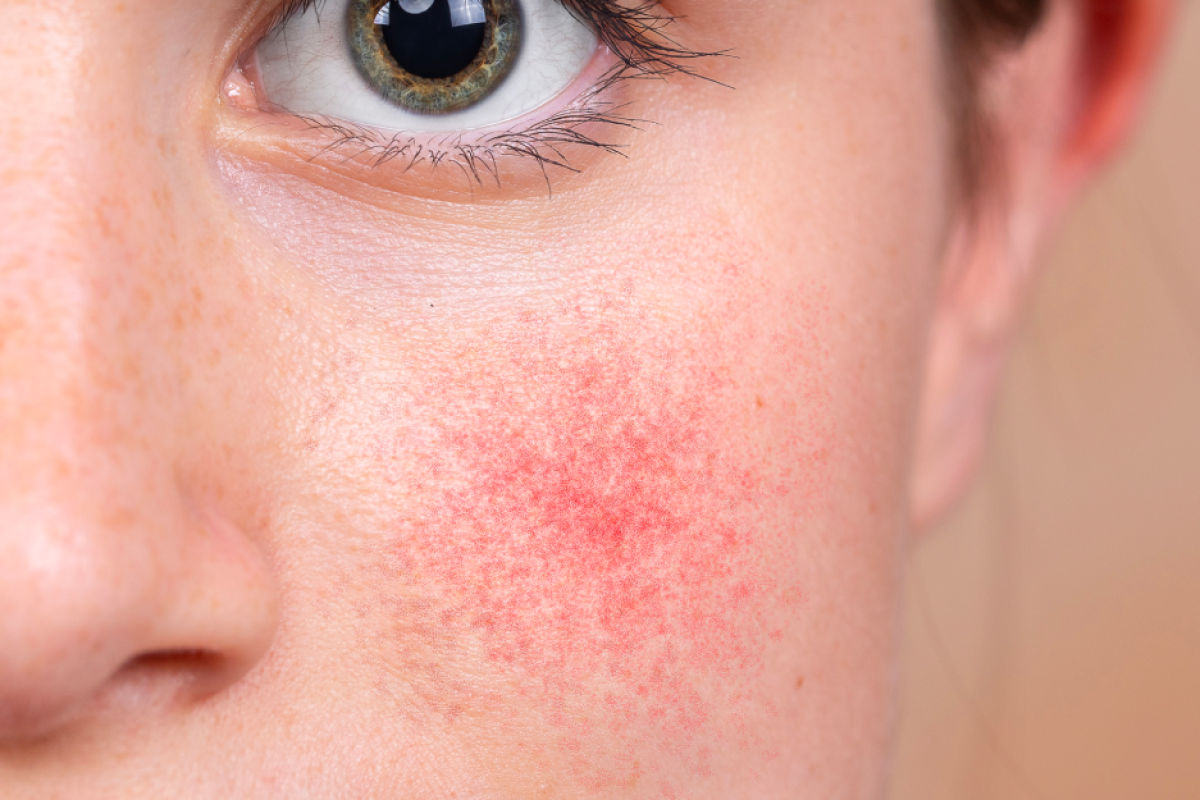
Port wine stains are a type of vascular birthmark that appears as reddish-purple marks on the skin. These marks can vary in size and location, often appearing on the face, neck, or other visible areas. For parents seeking care for their child, Port Wine Stains Treatment in Dubai is a common consideration, but one of the top concerns is whether the treatment will cause pain. Understanding what to expect can help parents prepare and ensure the child’s comfort throughout the process.
Understanding Port Wine Stains in Children
Port wine stains, medically known as nevus flammeus, are caused by abnormal development of blood vessels under the skin. While these stains are usually harmless, they can sometimes darken or thicken over time. Children with visible port wine stains may also experience social or emotional challenges, which is why early treatment can be important.
Treatment is usually recommended for aesthetic, psychological, or medical reasons. The most common method for treating port wine stains is laser therapy, which targets the blood vessels to reduce discoloration.
What to Expect During Port Wine Stain Treatment
Parents often worry about their child’s experience during treatment, particularly whether it will be painful. The procedure generally involves the use of a specialized laser device that delivers pulses of light to the affected area. This light targets the abnormal blood vessels without harming surrounding skin.
Children’s experiences with laser therapy vary depending on factors such as the size and location of the stain, the child’s age, and their sensitivity to pain. Many children describe the sensation as a brief stinging or snapping feeling, similar to a rubber band snapping against the skin. While the discomfort is usually mild and momentary, steps can be taken to minimize it.
Pain Management Techniques
To ensure children are comfortable during treatment, several pain management strategies may be employed:
Topical Anesthetics: A numbing cream applied before the procedure can significantly reduce sensation.
Cooling Devices: Some laser systems include a cooling mechanism that soothes the skin during treatment.
Distraction Techniques: Engaging children with music, videos, or conversation can help them remain calm.
Short Sessions: For larger or more sensitive areas, breaking the treatment into shorter sessions can reduce discomfort.
These approaches make the procedure more tolerable for young patients and help reduce anxiety, creating a positive experience for both the child and parent.
Aftercare and Recovery
Post-treatment care is also an important consideration. After laser therapy, the treated area may appear red or slightly swollen for a few hours or days. Some children may experience minor bruising or temporary darkening of the stain before improvement becomes visible.
Parents can support recovery by keeping the area clean, avoiding sun exposure, and following any specific aftercare instructions provided. Most children return to normal activities immediately, making the procedure convenient for families.
When to Expect Results
It’s important to note that port wine stain treatment often requires multiple sessions for optimal results. Improvement is usually gradual, with lighter, less noticeable marks appearing over several weeks or months. Patience and consistent follow-up are key to achieving the best outcome.
Emotional Support for Children
While physical comfort is important, emotional support plays a significant role in a child’s treatment experience. Explaining the process in a simple, reassuring way, celebrating progress, and maintaining a positive environment can reduce fear and anxiety. Parents who actively support their child often see a smoother treatment experience and better overall satisfaction.
Conclusion
Many parents worry that Port Wine Stains Treatment in Dubai may be painful for children, but modern laser therapy techniques and supportive care make the procedure generally well-tolerated. With proper pain management, distraction, and emotional support, children can undergo treatment with minimal discomfort and experience positive, lasting results. Early intervention not only improves appearance but also boosts confidence and quality of life.
By understanding the process and preparing both physically and emotionally, parents can help their children feel safe and comfortable during each session, ensuring a smoother journey toward clearer, healthier skin.