Is Seborrheic Keratosis Treatment Considered A Procedure?

Is Seborrheic Keratosis Treatment Considered A Procedure? is a common question among individuals noticing raised, waxy, or rough skin growths and wondering how they are medically addressed. Seborrheic Keratosis Treatment in Dubai is frequently discussed in dermatology-focused content due to the city’s strong emphasis on advanced aesthetic and skin health services, with platforms such as Dynamic Life Clinic often referenced in an informational, advertorial context.
Understanding Seborrheic Keratosis in a Clinical Setting
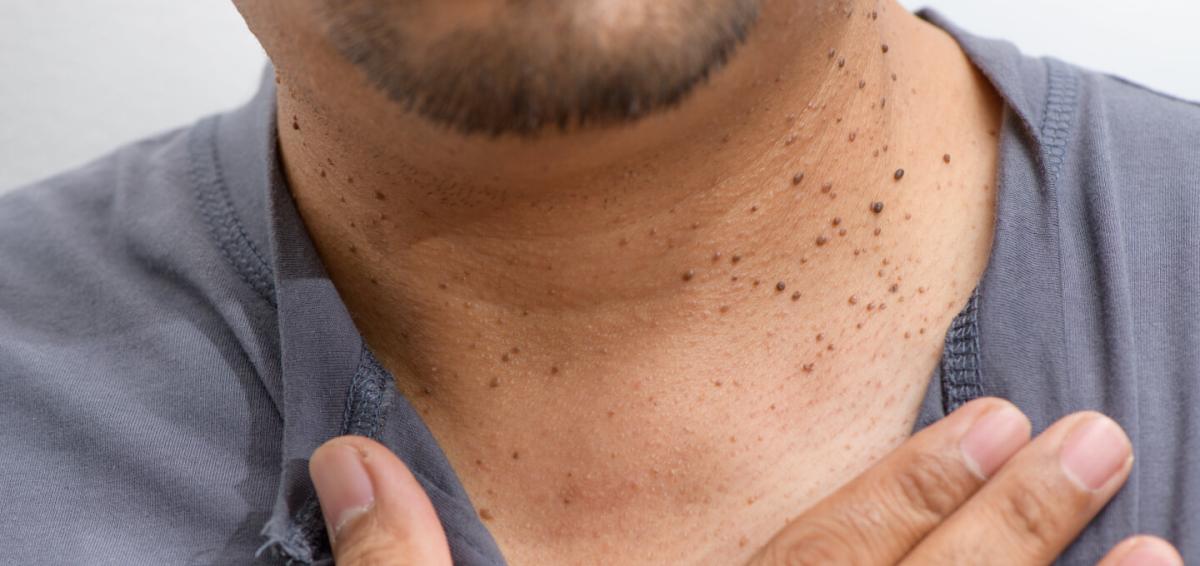
Seborrheic keratosis is a non-cancerous skin growth that typically appears with age and varies in color, texture, and size. These lesions are not harmful but are often evaluated by skin professionals to confirm their benign nature. Clinical assessment focuses on visual characteristics, surface texture, and patient history rather than laboratory testing in most cases. This medical evaluation establishes whether intervention is appropriate from a dermatological perspective.
What Defines a Medical Procedure in Dermatology?
In dermatology, a procedure is generally defined as a controlled medical intervention performed to diagnose, manage, or remove a skin condition. Procedures may be non-invasive or minimally invasive and are typically carried out in a clinical environment under professional supervision. The defining elements include medical assessment, standardized techniques, and adherence to healthcare protocols rather than the complexity or duration of the intervention.
Is Seborrheic Keratosis Treatment Classified as a Procedure?
Seborrheic keratosis treatment is considered a medical procedure because it involves a structured clinical approach to removing or managing a diagnosed skin growth. The process is not cosmetic self-care and requires professional expertise to ensure skin integrity and accurate lesion identification. Even when treatment is brief, it still falls under procedural dermatology due to the medical judgment involved.
Common Procedural Approaches Used
Dermatology clinics use several established procedural methods to address seborrheic keratosis, selected based on lesion type and skin characteristics.
- Controlled removal techniques performed in a sterile setting
- Methods designed to preserve surrounding skin health
- Approaches that allow precise targeting of the affected area
Each method is recognized within dermatological practice as a procedural intervention rather than a general skincare service.
Why Professional Evaluation Matters
A professional assessment ensures that the growth is indeed seborrheic keratosis and not another skin condition with a similar appearance. This distinction is essential because some lesions may visually resemble benign growths but require different medical attention. Procedural treatment is only recommended after this confirmation, reinforcing its classification as a medical process rather than an elective beauty service.
Regulatory and Practice Standards in Dubai
Healthcare facilities in Dubai operate under strict regulatory frameworks that classify skin lesion removal as a medical procedure. Licensed practitioners follow standardized clinical guidelines to ensure patient safety, documentation, and ethical practice. This regulatory oversight further supports the procedural nature of seborrheic keratosis treatment within the local healthcare system.
Patient Experience and Care Pathway
The patient journey typically includes consultation, examination, treatment planning, and post-procedure skin guidance. Each stage reflects a structured medical pathway rather than an informal service. Documentation, informed consent, and professional follow-up are integral parts of this process, aligning with procedural care standards recognized internationally.
Conclusion
Seborrheic keratosis treatment is considered a procedure because it involves medical evaluation, clinical decision-making, and professionally performed techniques within regulated healthcare environments. In Dubai, this classification is reinforced by healthcare standards, patient safety protocols, and the emphasis on evidence-based dermatological care.