Is Sensitivity Normal After Tooth Removal?

Tooth extraction is a common dental procedure performed to address various dental issues, including decay, infection, or overcrowding. Many patients wonder about the side effects they might experience after the procedure, especially tooth sensitivity. If you are considering Tooth Removal in Islamabad, it is important to understand what to expect during the healing process and how to manage any discomfort effectively. After tooth removal, experiencing sensitivity is relatively common. This sensitivity can occur in the surrounding teeth, gums, or even the jaw. While some level of discomfort is normal, understanding its causes and knowing when to seek professional advice is crucial for a smooth recovery.
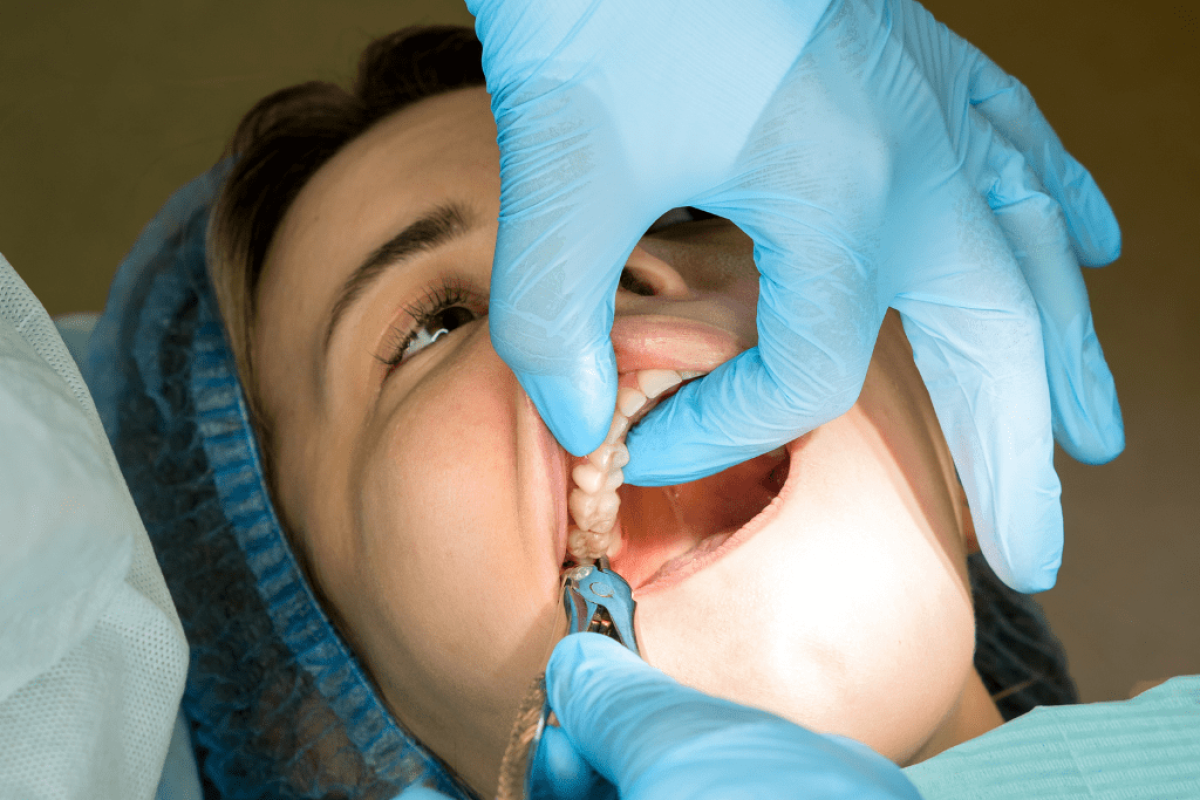
What Causes Sensitivity After Tooth Removal?
Sensitivity following tooth extraction is typically due to the trauma caused during the procedure. When a tooth is removed, the surrounding tissues and nerves are disturbed, which can lead to temporary discomfort. Some of the common causes include:Exposed bone or nerve endings: After extraction, the socket may leave nerves exposed, causing heightened sensitivity.
Swelling and inflammation: Healing tissues can be tender and respond to temperature changes.
Adjacent teeth reaction: Nearby teeth may feel sensitivity as they adjust to the shift in pressure.
Healing process: The formation of new tissue and closure of the socket may cause intermittent discomfort.
Most sensitivity decreases within a few days to weeks, depending on the complexity of the extraction.
How Long Does Tooth Sensitivity Last After Extraction?
The duration of sensitivity can vary depending on several factors:
Factor
Typical Duration
Notes
Simple extraction
3–7 days
Mild discomfort is expected; over-the-counter painkillers usually help.
Surgical extraction
1–3 weeks
More invasive procedures may lead to longer sensitivity.
Wisdom teeth removal
1–4 weeks
Healing can be slower due to the location and complexity.
Gum or bone trauma
Up to 6 weeks
Healing may be prolonged if additional tissue was affected.
It is normal to experience mild sensitivity for a week or two. However, persistent or worsening pain beyond a month should prompt a visit to your dentist.
Are There Ways to Reduce Sensitivity After Tooth Extraction?
Yes, several strategies can help manage post-extraction sensitivity and promote faster healing: Follow post-operative instructions: Your dentist may provide specific guidelines, including avoiding certain foods and rinsing carefully.
Use cold compresses: Applying a cold pack to the affected area reduces swelling and numbs the discomfort.
Take prescribed medications: Pain relievers and anti-inflammatories help manage both pain and inflammation.
Maintain oral hygiene: Gently cleaning the surrounding area prevents infection and irritation.
Avoid hot or hard foods: Soft, cool foods minimize trauma to the healing site.
Avoid smoking and alcohol: Both can slow down the healing process and increase sensitivity.
Following these steps ensures smoother recovery and reduces the chances of complications.
Reviews
Many patients who have undergone tooth removal share positive feedback regarding their experiences with post-extraction sensitivity:
I was worried about sensitivity after my tooth extraction, but following my dentist’s advice, it eased within a week. The pain was manageable, and my healing was smooth.”
“The sensitivity was noticeable for the first few days, especially when eating cold foods. My dentist prescribed a gentle rinse and painkillers, which helped a lot.”
“After removing a wisdom tooth, I felt some pressure in my jaw for nearly two weeks. However, the guidance and aftercare provided made recovery stress-free.”
When Should I Worry About Sensitivity After Tooth Removal?
While mild sensitivity is normal, certain signs indicate the need for professional attention:
Severe or worsening pain that doesn’t improve with medications.
Persistent bleeding or swelling after several days.
Pus discharge or foul taste indicating possible infection.
Sensitivity accompanied by fever or malaise.
Exposure of bone or loose tissue at the extraction site.
If you notice any of these symptoms, contact your dentist immediately to prevent complications such as dry socket or infection.
Can Adjacent Teeth Become Sensitive After Extraction?
Yes, it is common for nearby teeth to feel temporary sensitivity after a tooth is removed. This occurs because:
The removal can slightly shift the position of neighboring teeth.
The surrounding gums and jaw muscles adapt to the healing socket.
Pressure changes in the jaw can make adjacent teeth more reactive to temperature or touch.
This type of sensitivity usually diminishes as the healing progresses and the surrounding tissue stabilizes.
How to Promote Faster Healing After Tooth Extraction?
Promoting proper healing after tooth extraction not only reduces sensitivity but also prevents complications. Here are some tips:
Maintain good oral hygiene: Brush gently around the extraction site to prevent infection.
Eat a soft diet: Avoid crunchy, spicy, or sticky foods for at least a week.
Stay hydrated: Proper fluid intake helps tissue regeneration.
Rest and avoid strenuous activity: Healing requires energy; excessive strain can slow recovery.
Follow dentist recommendations: Attend follow-up appointments for evaluation and cleaning.
Proper aftercare is key to a comfortable recovery and minimizing post-extraction sensitivity.
Quick Facts About Tooth Sensitivity After Extraction
Aspect
What You Should Know
Normal duration
3 days to 3 weeks, depending on extraction type
Common causes
Nerve exposure, inflammation, tissue trauma
Pain management
OTC medications, cold compress, soft diet
When to see dentist
Severe pain, swelling, bleeding, or signs of infection
Adjacent teeth sensitivity
Usually temporary, resolves as healing progresses
Conclusion
Sensitivity after tooth removal is generally normal and expected as part of the healing process. Most cases resolve within a few days to a few weeks, depending on the complexity of the procedure and your adherence to post-operative care. Monitoring your symptoms and following your dentist’s instructions ensures a smooth recovery and prevents complications.
Contact Us
If you are experiencing tooth sensitivity or planning for tooth removal in Islamabad, our experienced dental team is here to help. We provide professional consultations, personalized care, and effective solutions for comfortable healing.
Book Your Appointment Today!
Address : Office Number LG 20 - 21 Interlace Plaza I-8 Markaz Islamabad
Phone : +92 333 5705871
Email : info@glamorousclinic.com.pk
Link : https://www.glamorousclinic.com.pk/