Laser Hair Removal Combined With Shaving

Imagine waking up to silky, hair-free skin without the hassle of daily shaving or painful waxing sessions. Many people dream of effortless smoothness, but traditional methods fall short with stubble regrowth and irritation. Laser Hair Removal emerges as a game-changer, laser riyadh offering long-term reduction by targeting hair follicles with precise light energy. This treatment zaps dark pigment in the hair, disabling growth at the root for weeks or months of freedom.
Combining Laser Hair Removal with shaving unlocks even better results. Shaving acts as a perfect prep step, trimming hair above the skin so laser energy focuses deeper without surface burn risks. This duo delivers faster, safer sessions and smoother outcomes. Curious how it works? Let's dive into the synergy that could transform your routine.
Why Combine Laser Hair Removal with Shaving?
Shaving before Laser Hair Removal isn't just convenient—it's essential for optimal energy absorption. Long hairs on the surface can absorb the laser's heat superficially, leading to discomfort or reduced effectiveness. By shaving, you expose the follicle shaft directly, allowing the beam to penetrate efficiently.
This method suits busy lifestyles perfectly. No need for waxing's downtime or plucking's regrowth issues. Users report up to 20-30% better hair reduction per session when pre-shaved. Plus, it minimizes side effects like redness, making treatments feel like a quick spa visit. Real-world example: Athletes shave legs for sports, then laser for permanent smoothness—seamless integration.
The Science Behind Laser Hair Removal and Shaving
Lasers emit concentrated light that melanin in hair follicles absorbs, converting to heat that damages the growth cycle. Shaving ensures the hair is flush with skin, so the laser skips the shaft and hits the bulb below. This precision spares surrounding skin, unlike broad-spectrum methods.
Think of it as archery: Shaving clears the path for the arrow (laser) to strike the target (follicle) bullseye. Studies show this combo boosts efficacy by enhancing heat delivery without follicle trauma from pulling. Result? Thinner, sparser regrowth over time, fading to near-permanence after consistent sessions.
Step-by-Step Guide: Prepping with Shaving
Start with clean, dry skin 24 hours before your session. Use a sharp razor and gentle shave gel to avoid nicks—micro-cuts invite irritation. Shave in the direction of hair growth for smoothness without tugging.
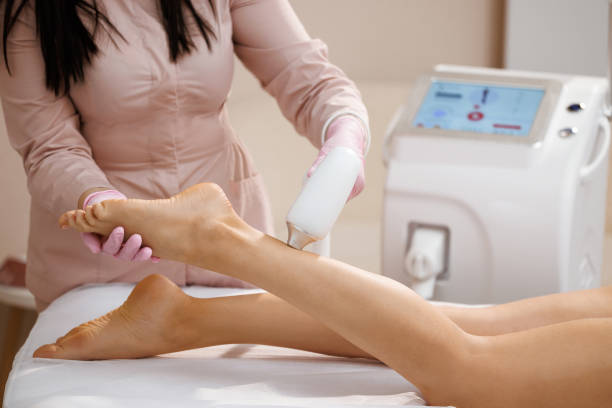
Post-shave, apply aloe vera to soothe. Avoid deodorants, lotions, or sun exposure for 48 hours pre-treatment, as they heighten sensitivity. During the session, technicians glide the laser handpiece over shaved areas, delivering pulses in 10-30 minutes depending on the zone. Follow with cooling gel for instant comfort.
Shaving Tools for Best Results
Opt for multi-blade razors designed for sensitive skin. Electric shavers work too, but manual ones provide closer cuts ideal for lasers. Replace blades every 5-7 shaves to prevent bacteria buildup.
Timing Your Shave Perfectly
Shave the evening before morning appointments. This lets skin settle, reducing puffiness. For evening sessions, shave midday to allow recovery time.
Benefits of This Powerful Duo
This pairing accelerates results, often visible after 4-6 sessions spaced 4-6 weeks apart. Expect 70-90% hair reduction, with shaving maintaining perfection between visits. Skin stays soft, ingrown hairs plummet, and confidence soars—no razor burn or shadow.
It's versatile for face, bikini, legs, or back. Men love it for beards; women for underarms. Environmentally, fewer razors mean less waste. Users rave about beach-ready skin year-round, ditching razors forever.
Safety Tips and Common Mistakes to Avoid
Always patch-test on small areas first. Sunburned or tanned skin absorbs excess laser, risking burns—wait 2 weeks post-tan. Skip hot showers or saunas 24 hours after to preserve follicle heat.
Mistake: Shaving too close to session time, causing razor burn overlap. Fix: 12-24 hour buffer. Exfoliate gently 2 days prior to clear dead skin, enhancing penetration without abrasion.
Managing Mild Side Effects
Redness or swelling mimics a mild sunburn—ice packs help. Rare blistering signals over-sensitivity; pause treatments. Darker skin tones thrive with Nd:YAG lasers, safe per FDA nods.
Who Benefits Most from Laser Hair Removal and Shaving?
Ideal candidates have dark hair and light-to-medium skin for contrast. Hormonal issues like PCOS respond well, curbing excessive growth. Teens post-puberty or adults tired of tweezing find relief.
Pregnant? Wait postpartum. Medications sensitizing skin? Consult first. Most see transformation, boosting self-esteem through effortless grooming.
Long-Term Results and Maintenance
After 6-8 sessions, enjoy 80%+ reduction lasting years. Annual touch-ups via shaved prep keep it flawless. Track progress with photos—motivation surges seeing fuzz vanish.
Lifestyle tweaks like balanced hormones amplify longevity. Many clients report "set it and forget it" vibes, reclaiming hours weekly.
Book Your Consultation at Enfield Royal Riyadh
Ready for smoother skin? Book an appointment consultation clinic like 'Enfield Royal Riyadh' today. Expert guidance tailors this combo to you—start your hair-free journey painlessly.
FAQs
Can I shave between Laser Hair Removal sessions?
Yes! Shaving is encouraged daily between sessions. It keeps skin smooth without interfering with laser progress, unlike waxing which pulls follicles.
Does Laser Hair Removal hurt more after shaving?
Not at all—shaving reduces pain by eliminating surface hair drag. Most feel mild warmth, like a rubber band snap, managed with cooling tech.
How soon after shaving can I get Laser Hair Removal?
Wait 6-24 hours post-shave. This prevents irritation while ensuring optimal hair length for laser targeting.
Is Laser Hair Removal permanent with shaving prep?
It offers long-term reduction (80-90%), not always 100% permanent. Shaving enhances sessions for maximal follicle disablement.
Who should avoid Laser Hair Removal and shaving combo?
Those with very light hair, active infections, or recent sun exposure. Always disclose medical history for safe customization.