Lifestyle Tips To Follow After Rhinoplasty

Recovering from rhinoplasty is a journey that involves patience, mindful habits, and a supportive lifestyle. While the surgical procedure plays a major role in shaping the final outcome, what you do afterward significantly influences how well and how quickly you heal. Many individuals seek modern surgical expertise, especially when choosing Rhinoplasty in Saudi Arabia, where surgeons emphasize comprehensive postoperative care. Understanding the lifestyle adjustments that enhance recovery helps ensure long-term comfort, safety, and satisfaction with your results.
Why Lifestyle Choices Matter After Surgery
Healing is not just about following medical instructions; it’s also about creating an environment that supports your body’s natural recovery. The first few weeks are crucial, and your daily decisions—from the food you eat to how you sleep—can affect swelling, bruising, breathing, and overall comfort. Patients receiving Rhinoplasty in Riyadh often benefit from guided recovery plans designed to fit their unique needs, ensuring they heal safely while maintaining their desired aesthetic goals.
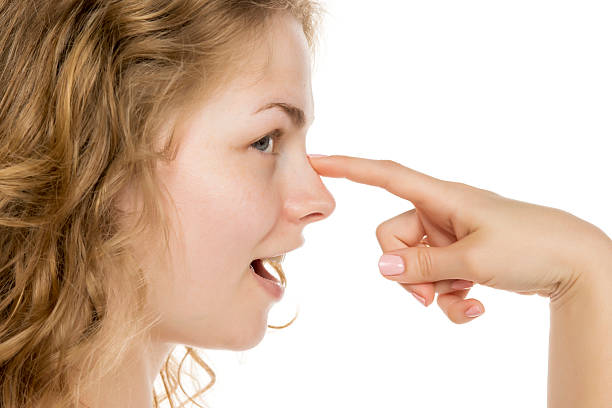
Prioritize Proper Rest
Sleep with Your Head Elevated
Keeping your head elevated helps reduce swelling and pressure around the nose. A wedge pillow or stacked pillows can keep your position stable throughout the night.
Avoid Sleeping on Your Side
Sleeping sideways can accidentally put pressure on the nose. Sleeping on your back is necessary during the early healing period.
Healthy Eating for Faster Healing
Choose Nutrient-Dense Foods
Foods rich in vitamins A, C, and zinc support tissue repair and help reduce inflammation. Leafy greens, citrus fruits, and lean proteins are excellent options.
Stay Hydrated
Water helps your body flush toxins and maintain skin elasticity—both essential for a smoother recovery.
Avoid Salty Foods
Salt increases water retention and can worsen swelling, especially in the first two weeks.
Smart Activity Management
Avoid Intense Exercise
Heavy workouts, weight lifting, and high-impact sports increase blood flow and may cause bleeding or swelling. Light walking is safer during early recovery.
Do Not Bend Over
Bending increases pressure inside the nose and may delay healing. When picking something up, bend at the knees instead of the waist.
Gradually Restore Your Routine
Return to daily activities slowly, allowing your body to signal when it's ready for more movement.
Protect Your Nose from External Factors
Sun Protection Is Essential
After rhinoplasty, the skin around your nose becomes more sensitive. Direct sunlight can lead to discoloration and prolonged swelling, so always use high-SPF sunscreen when going outdoors.
Avoid Glasses Temporarily
Glasses—whether prescription or sunglasses—place pressure on the nasal bridge. Use contact lenses when possible until your surgeon approves otherwise.
Stay Away from Crowded Environments
Accidental bumps are common in tight spaces. Try to avoid heavily crowded areas, especially during the initial healing stage.
Breathing and Nasal Care
Use Saline Sprays
Saline sprays help moisturize the nasal passages and ease congestion without disturbing healing structures.
Don’t Blow Your Nose
Blowing the nose too soon can disrupt internal healing and cause complications. If you need to sneeze, try to sneeze through your mouth.
Follow Cleaning Instructions Carefully
Use only surgeon-approved methods to clean the incision areas to prevent irritation or infection.
Mental and Emotional Well-Being
Healing after rhinoplasty is also an emotional journey. Swelling may fluctuate, and the nose may appear different each week. This is normal.
Be Patient with the Process
Rhinoplasty results evolve gradually, often taking months to fully refine.
Avoid Constant Self-Evaluation
Looking in the mirror repeatedly can heighten anxiety. Give yourself time between checks so you can notice genuine improvements.
Stay Connected with Your Surgeon
Regular follow-ups provide reassurance and professional guidance. Many patients who undergo Rhinoplasty in Riyadh appreciate the structured aftercare that helps them navigate every stage with confidence.
Avoid Harmful Habits
Quit Smoking
Smoking restricts blood flow and slows healing, increasing the risk of complications.
Limit Alcohol Intake
Alcohol can dehydrate the body and worsen swelling, especially during the early stages of recovery.
Stay Clear of Dusty or Polluted Environments
Air pollutants can irritate healing tissues and cause unnecessary inflammation.
Clothing and Lifestyle Adjustments
Wear Button-Down Tops
Pulling tight shirts over your head can bump the nose. Opt for front-opening clothing.
Avoid Hot Showers and Saunas
Heat can increase swelling, so keep showers lukewarm and avoid steam rooms.
Be Cautious with Makeup
Avoid applying makeup near the nose until your surgeon gives approval.
Final Thoughts
Rhinoplasty is a transformative experience, and adopting supportive lifestyle habits amplifies your results. By prioritizing rest, nutrition, nasal care, emotional well-being, and safe daily practices, you ensure that your healing journey stays smooth and successful. Consistency is the key—each mindful choice contributes to a better outcome and a more confident you.
Book an Appointment
If you're considering rhinoplasty or seeking professional guidance for your healing journey, Royal Clinic Saudia offers expert care, advanced techniques, and personalized support from consultation through recovery. Book your appointment today and experience trusted surgical excellence tailored to your needs.