Live Event Audio Solutions In Atlanta: What Every Event Planner Should Know

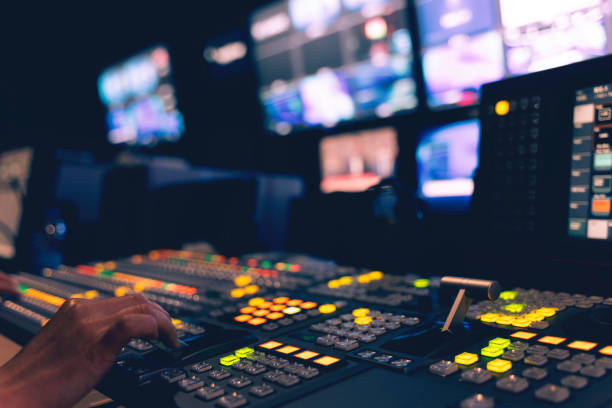
Atlanta is a powerhouse for events, from massive trade shows at the World Congress Center to intimate corporate retreats in Buckhead. But as any seasoned planner knows, bad audio can ruin even the most beautifully designed event. If the CEO’s mic feeds back or the livestream audio drifts out of sync, that is what the audience remembers.
Navigating the technical landscape can be overwhelming. To help you book the right services, we have compiled a checklist for evaluating live event audio solutions in Atlanta. This guide covers the essentials, including the emerging trend of remote workflows that is saving planners time and money.
Phase 1: Defining Your Audio Needs
Before you send out a single RFP, clarify exactly what your event demands. "Good sound" is too vague for a production team.
- Audience Size & Venue Acoustics: Is this a boomy cavern (like a warehouse) or a carpeted ballroom? A 500-person gala needs a different PA system than a 50-person breakout session.
- Content Type: Is it mostly spoken word (panels, keynotes) or high-dynamic music? Spoken word requires high intelligibility, while music needs full-frequency range and subwoofers.
- Hybrid Components: Will there be a virtual audience? If yes, you need a separate "broadcast mix." The audio that sounds good in the room often sounds muddy online.
- Interactivity: Do you need Q&A mics for the audience? Catchbox microphones or runner mics require additional channels and management.
Phase 2: Vetting Audio Partners
When evaluating live event audio solutions Atlanta vendors, look past the gear list. You are hiring expertise, not just speakers.
- Check for "AoIP" Capabilities: Audio over IP (AoIP) is the modern standard. It reduces heavy copper cabling and allows for cleaner, digital signal routing.
- Ask About Redundancy: What happens if the main mixing console fails? Professional teams always have a backup workflow.
- Inquire About Remote Capabilities: Can they handle feeds remotely? This is a crucial questions for modern hybrid events (more on this below).
- Review Frequency Coordination: Atlanta is a busy RF (radio frequency) environment. Ensure your provider uses professional tools to scan for open frequencies so your wireless mics don't pick up interference from a nearby TV station or hotel.
Phase 3: The "Remote" Advantage
This is where smart planners are finding efficiency. Remote mixing solutions in Georgia are transforming how events are managed. Instead of flying a specialized broadcast engineer to your venue and putting them up in a hotel, you can have them mix the show from a dedicated studio.
- Cost Efficiency: By utilizing remote mixing, you eliminate travel costs and per diems for technical staff. You pay for their skills, not their plane ticket.
- Space Savings: Remote workflows reduce the amount of gear and personnel needed on-site, freeing up valuable floor space for attendees.
- Consistency: An engineer working from a calibrated studio environment will often produce a better broadcast mix than one working in a noisy, makeshift booth at the venue.
For this to work, you need low-latency streaming technology. Brands like Protostream specialize in this niche, providing the stable, high-fidelity pipelines that make remote mixing indistinguishable from being on-site. When discussing options with vendors, ask if they utilize platforms like Protostream to ensure reliability.
Phase 4: Infrastructure Checklist
If you decide to go with a remote or hybrid workflow, your venue's infrastructure becomes critical.
- Hardline Internet: Never rely on Wi-Fi for streaming audio. Ensure the venue can provide a dedicated, hardwired ethernet line.
- Bandwidth Test: You need high upload speeds (not just download). Aim for at least 20 Mbps dedicated upload for audio streaming workflows.
- On-Site Liaison: Even with remote mixing, you need one "A2" (audio assistant) on the ground to place microphones on speakers and patch cables.
Conclusion
Booking audio doesn't have to be a guessing game. By focusing on these clear technical requirements and embracing innovations like remote mixing solutions in Georgia, you can ensure your Atlanta event sounds as professional as it looks. The goal is invisible technology—sound so good that no one notices it, so they can focus entirely on your message.