Managing Rosacea Symptoms At Dermatech Polyclinic

Managing Rosacea Symptoms at Dermatech Polyclinic:
Rosacea is a chronic skin condition that affects millions worldwide, causing redness, visible blood vessels, and sometimes acne-like bumps. Though it cannot be completely cured, Dermatech Polyclinic focuses on managing rosacea effectively, reducing flare-ups, and improving skin health through a combination of lifestyle guidance, medical treatment, and tailored skincare solutions. Understanding rosacea, identifying triggers, and implementing personalized strategies are essential steps toward maintaining healthy, calm skin.
Understanding Rosacea: More Than Just Redness
Rosacea is often misunderstood as simple facial redness, but it involves a complex interaction of vascular, inflammatory, and immune system factors. Key features include:
Persistent facial redness, especially on the cheeks, nose, forehead, and chin
Visible blood vessels (telangiectasia)
Bumps or pustules resembling acne
Skin sensitivity, burning, or stinging sensations
Eye involvement (ocular rosacea) in some cases
Recognizing these symptoms early allows for timely intervention and prevents worsening of the condition.
Common Triggers That Exacerbate Rosacea:
Identifying triggers is a critical part of managing rosacea. Dermatech Polyclinic emphasizes a personalized approach to uncovering individual sensitivities. Common triggers include:
Environmental factors: Sun exposure, wind, humidity changes, and extreme temperatures
Dietary triggers: Spicy foods, hot beverages, alcohol, and caffeine
Stress and emotional factors: Anxiety or emotional stress can trigger flare-ups
Skincare products: Harsh cleansers, exfoliants, alcohol-based toners, and synthetic fragrances
Hormonal fluctuations: Menopause or hormonal changes can intensify symptoms
By tracking triggers, patients can minimize flare-ups and maintain calmer skin.
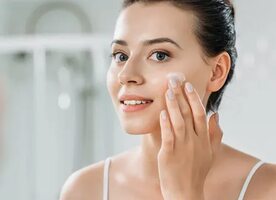
Daily Skincare Routine for Rosacea Management:
A gentle, consistent skincare routine is essential for managing rosacea. Dermatech Polyclinic recommends the following:
Cleanse with mild, fragrance-free products to remove impurities without irritating the skin
Moisturize daily with soothing ingredients such as ceramides, aloe vera, and hyaluronic acid
Use broad-spectrum SPF 30+ daily to protect against UV-induced redness
Avoid harsh exfoliants and aggressive scrubs that compromise the skin barrier
Introduce calming serums with niacinamide or green tea extract to reduce inflammation
A well-structured routine not only reduces flare-ups but also strengthens the skin’s natural barrier over time.
Medical Treatments for Rosacea:
For moderate to severe cases, Dermatech Polyclinic employs evidence-based medical therapies to manage symptoms effectively:
Topical medications: Metronidazole, azelaic acid, or ivermectin to reduce inflammation and bacterial overgrowth
Oral antibiotics: Low-dose doxycycline or other antibiotics for persistent inflammation
Laser and light therapies: Pulsed dye laser (PDL) or intense pulsed light (IPL) to reduce visible blood vessels and redness
Eye treatments: Prescription eye drops or lid hygiene for ocular rosacea
These treatments are tailored to the patient’s skin type, rosacea severity, and lifestyle, ensuring safe and sustainable symptom control.
Lifestyle Adjustments That Complement Treatment:
Managing rosacea extends beyond clinic visits. Lifestyle modifications help reduce flare-ups and enhance long-term outcomes:
Avoid extreme temperatures or sudden environmental changes
Reduce alcohol and caffeine intake
Implement stress-reduction practices such as meditation, yoga, or deep breathing
Wear protective clothing or hats when outdoors
Maintain a balanced diet rich in antioxidants and anti-inflammatory nutrients
Consistent lifestyle adjustments work synergistically with medical treatments for optimal rosacea management.
Debunking Common Myths About Rosacea:
Education is key to effective management. Dermatech Polyclinic addresses several misconceptions:
Myth: Rosacea is caused by poor hygiene. Rosacea is not contagious and is unrelated to hygiene practices.
Myth: Rosacea only affects older adults. It can develop in adults of all ages, often in those with fair skin.
Myth: Rosacea can be cured with over-the-counter creams alone. While OTC products can soothe, medical treatments are often necessary to manage flare-ups effectively.
Dispelling these myths helps patients adopt realistic expectations and proactive care strategies.
Monitoring Progress and Personalized Care:
Every patient’s rosacea presentation is unique. Dermatech Polyclinic emphasizes ongoing assessment and personalization:
Regular skin evaluations to track redness, inflammation, and vascular changes
Adjusting treatments based on response to maximize efficacy while minimizing side effects
Integrating lifestyle advice, diet modifications, and topical regimens for comprehensive management
Patient education to empower individuals to recognize triggers and respond promptly to flare-ups
This continuous, tailored approach ensures patients maintain optimal skin health while minimizing discomfort and visible redness.
Conclusion: Achieving Calm, Healthy Skin
While rosacea can be challenging, effective management is achievable through a combination of professional care, personalized skincare, lifestyle adjustments, and patient education. Dermatech Polyclinic provides a holistic, evidence-based approach to rosacea, helping patients reduce flare-ups, minimize redness, and maintain long-term skin wellness. With proactive care and expert guidance, individuals with rosacea can enjoy calmer, healthier skin while preserving confidence and comfort in daily life.