Mastering The Art Of Impactful Business Gatherings

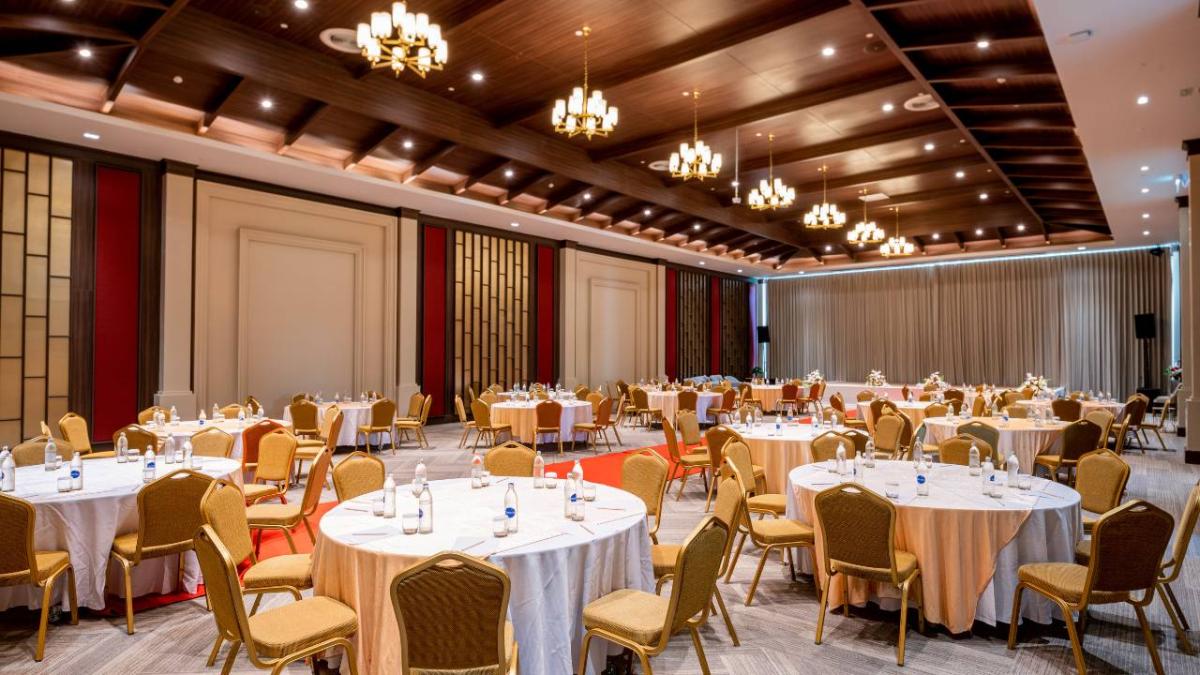
Planning a business function is rarely just about booking a room and ordering coffee. It represents a strategic opportunity to define your brand culture, impress stakeholders, and foster genuine connections among your team or clients. The stakes are high when you bring people together. A well-executed gathering can boost morale and seal deals, while a disorganized one can leave a lasting negative impression.
Successful events require a seamless blend of logistical precision and creative flair. From the initial concept to the final round of applause, every detail contributes to the overall narrative of the day. Whether you are organizing a high-stakes product launch, an annual gala, or an intimate executive retreat, the goal remains the same. You want to create an environment where the message resonates and the experience lingers long after the guests have gone home.
Why Expertise Matters in Corporate Planning
Finding the right partner is the first step toward success. There are countless corporate event management companies available, but identifying one that aligns with your specific vision is crucial for delivering a return on investment. These specialized agencies do far more than manage checklists. They act as strategic partners who understand how to translate your business objectives into a tangible experience. By handling complex logistics, vendor negotiations, and risk management, professional planners allow your internal team to focus on their core responsibilities rather than worrying about microphone feedback or catering delays. A top-tier agency brings industry connections and creative resources to the table that are simply inaccessible to the average internal planning committee.
The Pillars of a Successful Corporate Function
Creating a memorable occasion involves juggling dozens of moving parts simultaneously. If one pillar collapses, the entire structure can feel unstable. Focusing on these core elements ensures a sturdy foundation for your event.
Strategic Venue Selection
The setting sets the tone before a single word is spoken. A sterile conference room might work for a board meeting, but it will likely kill the energy of a creative brainstorming session or a celebratory dinner. The venue must match the personality of the brand and the intent of the gathering. This involves considering accessibility, acoustic quality, and the flow of movement. Guests should feel comfortable and guided through the space intuitively, without bottlenecks at the entrance or the buffet.
Seamless Audio and Visual Integration
Technical difficulties are the quickest way to derail professional credibility. High-quality audio and crisp visuals are non-negotiable in the modern business landscape. If an audience cannot hear the keynote speaker clearly or if the presentation slides are pixelated, engagement drops immediately. Professional lighting also plays a psychological role, directing attention where it is needed and influencing the mood of the room. It transforms a standard hall into a dynamic environment that keeps attendees alert and focused.
Culinary Experiences as Conversation Starters
Food is often the most discussed aspect of any gathering. It serves as a natural icebreaker and a source of comfort. The era of generic, dry sandwiches is over. Modern attendees expect dietary inclusivity and high-quality ingredients. Whether it is a formal sit-down dinner or interactive food stations, the catering should reflect the caliber of the host organization. Thoughtful menu planning demonstrates care for the attendees' well-being and enhances the overall satisfaction rating of the event.
Navigating the Planning Lifecycle
The journey from a rough idea to a polished execution involves several distinct phases. Rushing through the early stages often leads to chaos closer to the date.
Concept and Budgeting
Everything begins with a clear objective. Are you educating, celebrating, or selling? Once the "why" is established, the "how much" must be determined. A realistic budget acts as a roadmap, dictating where to splurge and where to economize. Experienced planners know how to allocate funds to high-impact areas, ensuring that the budget creates the maximum possible perceived value for the guests.
Vendor Coordination
No event is a solo effort. It requires a symphony of florists, technicians, security personnel, and transport providers. Managing these relationships is a full-time job. It involves strictly vetting suppliers to ensure they meet insurance requirements and quality standards. A single weak link in the vendor chain can cause a ripple effect of delays, which is why established relationships are so valuable in this industry.
On-Site Execution
The day of the event is a test of preparation and agility. Even the most detailed plans can encounter unexpected hiccups, from weather changes to late arrivals. Having a dedicated team on the ground to troubleshoot issues in real time is essential. This "shadow team" works invisibly in the background, putting out fires before the guests even smell smoke. This ensures that the front-of-house experience remains calm, polished, and professional.
Avoiding Common Pitfalls
Even seasoned professionals can fall into traps if they are not vigilant. One major error is overcrowding the schedule. Attendees need downtime to process information, check emails, and network organically. A packed agenda often leads to fatigue and disengagement.
Another common mistake is neglecting the post-event experience. The relationship with the attendee shouldn't end when they walk out the door. Follow-up surveys, thank-you notes, and content recaps extend the lifecycle of the event and reinforce the key messages delivered during the gathering.
The Importance of Brand Consistency
Every touchpoint of the event is a reflection of the hosting company. From the font on the invitations to the uniforms of the staff, consistency builds trust. If a tech company hosting an innovation summit uses outdated equipment, the disconnect is jarring. If a wellness brand serves unhealthy food, the message is lost. Aligning the event aesthetics and operations with the company's core values is vital for authenticity. At Confetti Events, we prioritize this alignment to ensure that your corporate identity is strengthened, not diluted, by the live experience.
Elevating the Guest Experience in the Region
When hosting specifically in this region, the expectations are exceptionally high. Event Entertainment in UAE requires a sophisticated approach that balances traditional hospitality with cutting-edge spectacle. The local audience is accustomed to world-class innovation and luxury, meaning standard entertainment packages often fall flat. To truly captivate a crowd in Dubai or Abu Dhabi, organizers often integrate immersive technologies, such as holographic displays or drone shows, alongside culturally rich performances. The goal is to provide a "wow" factor that resonates with a diverse, international demographic while respecting local customs and tastes.
Designing Your Next Success Story
Corporate gatherings are powerful vehicles for communication and culture. They have the ability to shift perceptions and energize teams in ways that emails and Zoom calls simply cannot. However, achieving this requires more than just logistical coordination; it requires a vision and a steady hand to guide the process.
By prioritizing strategic planning, engaging the right partners, and focusing on the attendee experience, you turn a mandatory obligation into a highly anticipated occasion. Whether you are looking to motivate your workforce or impress your client base, the effort put into the details will always pay dividends in brand loyalty and reputation.