Mastering The Design Of Concrete Structures In Dubai
Dubai’s skyline is a testament to human ambition. From the piercing height of the Burj Khalifa to the intricate curves of the Museum of the Future, the city is a global showcase of architectural and engineering marvels. However, beneath the glass facades and artistic forms lies the true hero of this construction boom: reinforced concrete. Building in the United Arab Emirates presents a unique set of challenges that go far beyond aesthetics. The extreme climate, geological conditions, and rigorous regulatory standards demand a specialized approach to engineering. At Integra, we understand that successful construction in this region requires a perfect blend of technical precision, local knowledge, and innovative thinking.
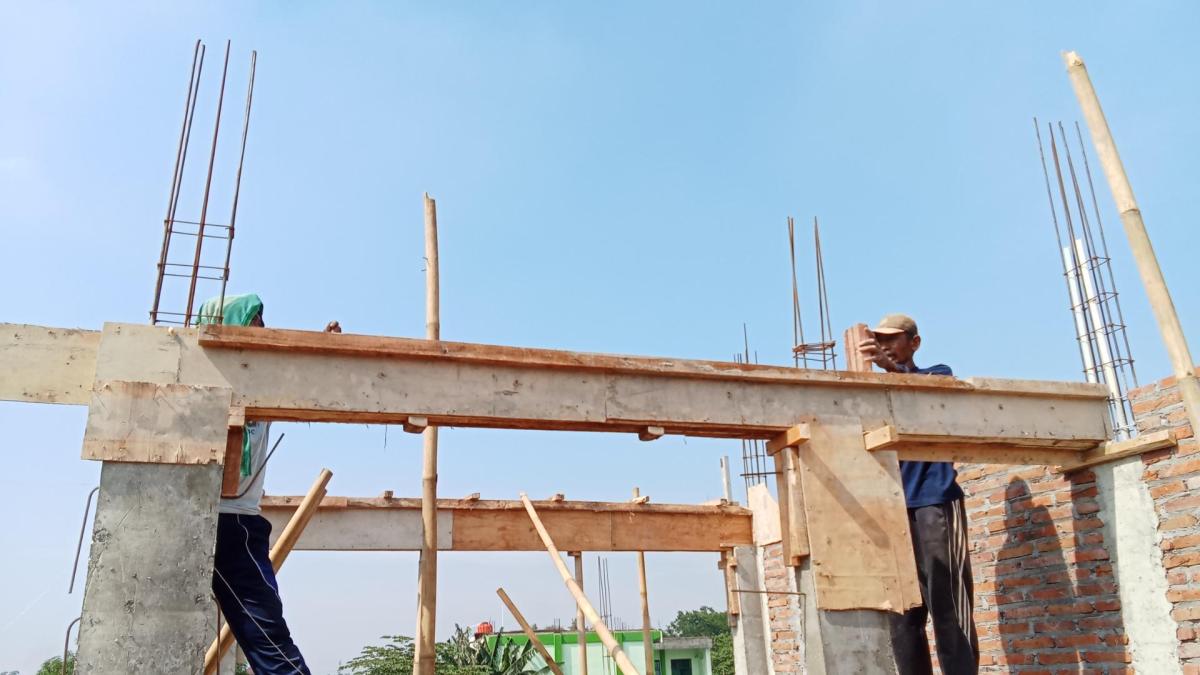
The design of concrete structures is a complex discipline that goes far beyond simply determining the thickness of a slab or the number of reinforcing bars in a column. It is the systematic process of planning, analyzing, and proportioning structural elements to ensure they can safely support the loads they are subjected to. In the context of Dubai, this process must also account for durability against harsh environmental factors. A robust design ensures that a building remains safe, functional, and economical throughout its intended lifespan. Whether it is a high-rise residential tower or a sprawling commercial complex, the structural integrity relies entirely on how well the concrete framework has been engineered to withstand gravity, wind, and seismic forces while strictly adhering to international and local safety codes.
The Unique Environmental Challenges of the UAE
To understand why structural engineering in Dubai is so specialized, one must first understand the environment. The Arabian Gulf offers one of the most aggressive environments for concrete construction in the world. The combination of high temperatures, high humidity, and saline soil creates a perfect storm for structural degradation if not managed correctly.
The Threat of Corrosion
The primary enemy of reinforced concrete in coastal cities like Dubai is the corrosion of steel reinforcement. Salt-laden air and groundwater containing high concentrations of chlorides can penetrate the concrete cover. Once these chlorides reach the steel bars, they break down the protective passive layer, leading to rust. As steel rusts, it expands, causing the surrounding concrete to crack and spall.
At Integra, our engineering team prioritizes durability design. We specify high-performance concrete mixes with low water-cement ratios and supplementary cementitious materials like fly ash or ground granulated blast-furnace slag (GGBFS). These additions make the concrete denser and less permeable, effectively blocking the ingress of harmful chlorides.
Thermal Cracking
Dubai’s temperature fluctuations can be extreme, particularly between day and night during the summer months. Large concrete pours generate significant heat during the hydration process. If the temperature differential between the core of the concrete and the surface is too high, thermal cracking occurs. These cracks compromise the structural integrity and provide a pathway for aggressive chemicals to enter. Our designers work closely with contractors to implement strict temperature control measures, such as using chilled water in the mix or scheduling pours during cooler hours.
Foundation Engineering and Soil Mechanics
Before a structure can rise, it must be firmly rooted. The geological profile of Dubai varies significantly, ranging from loose sands to cemented sandstone and limestone. Designing foundations in these conditions requires meticulous soil analysis.
For high-rise structures, shallow foundations are rarely sufficient. Instead, we utilize deep pile foundations that transfer loads through weak soil layers to deeper, more stable strata. The interaction between the soil and the concrete piles is critical. We also have to consider the water table, which is often high and saline. This necessitates the use of heavy-duty waterproofing membranes and sulfate-resistant cement to protect the foundation from chemical attacks from the soil itself.
Navigating Structural Loads: Wind and Seismic Forces
While gravity loads (the weight of the building and its contents) are constant, lateral loads pose a significant challenge in modern design.
Wind Engineering
In a city famous for its skyscrapers, wind is a major governing factor. As a building gets taller, it acts like a sail. The wind pressure increases, creating immense lateral forces that try to push the building over. Our engineers use sophisticated software to model these forces, designing shear walls and core walls that provide the necessary stiffness to resist swaying. This ensures that even at the penthouse level of a supertall tower, the movement is imperceptible to the occupants.
Seismic Considerations
Although Dubai is not located on a major fault line, it is close enough to the seismically active Zagros Mountains in Iran to warrant caution. The local building codes mandate that all structures be designed to withstand a certain level of ground motion. We incorporate ductility into our designs—ensuring that the building can deform slightly without collapsing during a seismic event—providing an essential layer of safety for occupants.
Sustainability in Concrete Design
The construction industry is shifting towards greener practices, and Dubai is leading the charge in the region. Sustainable design is no longer an option; it is an expectation.
Concrete production is traditionally carbon-intensive. However, modern engineering allows us to reduce this footprint. Integra is committed to using "Green Concrete," which replaces a significant portion of Portland cement with recycled materials. This not only lowers carbon emissions but often results in a more durable end product.
Furthermore, we optimize our structural designs to use materials efficiently. By utilizing high-strength steel and concrete, we can reduce the dimensions of columns and beams. This reduction implies less material usage, lower transport costs, and more usable floor space for the client, creating a win-win scenario for both the environment and the investor.
The Importance of Regulatory Compliance
Even the most brilliant engineering design remains a drawing on paper without the necessary approvals. The regulatory landscape in Dubai is stringent, designed to ensure that every building is safe, sustainable, and cohesive with the city’s master plan.
Navigating the requirements of the Dubai Municipality is a critical step in the lifecycle of any construction project in the emirate. The Municipality has established a comprehensive set of building codes and regulations that govern everything from structural safety and fire protection to thermal insulation and green building standards. Their approval process is rigorous, requiring detailed submissions of structural calculations, drawings, and soil investigation reports. At Integra, we have deep experience in liaising with regulatory bodies. We ensure that our designs are fully compliant with the latest municipal circulars and international standards adopted by the authority, ensuring a smooth approval process that keeps your project on schedule.
Building for the Future with Integra
The construction of concrete structures in Dubai is a high-stakes endeavor that demands expertise, precision, and a deep understanding of the local environment. It is a balance of combating harsh weather, ensuring safety against immense loads, and adhering to strict governmental regulations.
At Integra, we pride ourselves on being more than just consultants; we are partners in your vision. We bring world-class engineering solutions tailored to the specific needs of the region. By combining advanced structural analysis with sustainable practices and regulatory fluency, we ensure that your project stands the test of time.
Whether you are planning a commercial high-rise, a residential complex, or an industrial facility, the foundation of your success lies in the quality of your structural design. Let Integra help you build a legacy that endures.