Maximizing Comfort With Heat Recovery Ventilation Systems

Building codes today emphasize hermetically sealed buildings to maximize energy efficiency, but this method can also encase stale air, excess humidity, and indoor pollutants. A Energy-efficient heat recovery ventilation system solves this problem by supplying a constant stream of fresh air, all while reducing the energy loss. Its efficiency makes it a financially sound indoor comfort and air quality improvement solution for residences and small commercial construction.
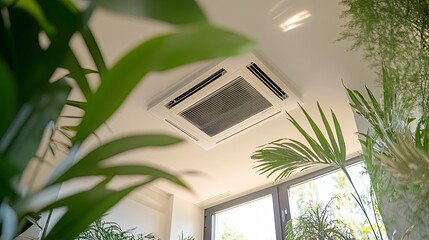
A heat recovery ventilation (HRV) system works by creating an airflow in the home that removes stale air as well as letting in new, fresh outdoor air, while at the same time recovering the heat from outgoing stale air. This heat is then transferred to the entering cooler air, which keeps indoor temperatures comfortably regulated. In the colder months, the warm air from the exhaust will preheat fresh air that comes into your home. During the milder seasons, it moderates incoming air temperatures to enhance comfort. A balanced ventilation strategy enables healthier indoor environments while not overloading heating and cooling systems.
Indoor air quality can also degrade quite rapidly in tightly sealed residences, where everyday activities such as cooking and cleaning introduce humidity and airborne pollutants. When ventilation is not constant, pollutants build up and may affect lung health. A heat recovery ventilation system (HRV) exhausts stagnant air, filters the incoming fresh air, and minimizes or captures excess moisture – making your living environment significantly more comfortable and healthy.
Controlling humidity is equally important. High humidity has the potential to lead to condensation, mold growth, and structural problems. By recovering heat from stale exhaust air and transferring it to the fresh incoming air in addition to moderating indoor humidity, the HRV system protects not only your family but also the materials inside your home, especially during colder seasons when homes are sealed up tight.
The energy efficiency is still the outstanding advantage of the technology. Classic ventilation systems invariably result in a squandering of the energy represented by heated and cooled air, blown straight outdoors. Heat recovery units, by comparison, recover much of that energy before the air is vented outside. This leads to less wear and tear on your HVAC system and potentially lower utility bills. As time goes on, you start saving on operational costs compared to your initial installation.
Equally important, it provides even air distribution in the home. One of the advantages of mechanical ventilation is that it doesn’t create drafts and uneven temperatures the way an open window does. A lot of systems also use advanced anti-dust filtration, which collects dust particles and finer dust particles so that the air indoors can be cleaner.
As energy codes become more rigorous and focus continues to shift toward indoor air quality, it’s indeed the case that ventilation solutions that deliver efficiency with comfort are table stakes today. With distributed heat exchange solutions in homes, you can attain healthier air quality, better moisture management, and long-term energy savings without sacrificing comfort.
Ben Smith is author of the article. For more details about Annual furnace inspection Ottawa please visit our website: airzonehvac.ca