Modern Coat Care Trends Elevating Canine Wellness

The grooming of pets has become an exercise in wellness that is more structured than a routine for cosmetic purposes. Rockwall grooming of pets is an example of how pet owners now consider skin integrity in addition to preventive care as an element of a healthy dog's routine.
Today's grooming standards incorporate breed-specific understanding, dermatological awareness and behavioral sensitivity in order to make sure that dogs are happy and healthy.
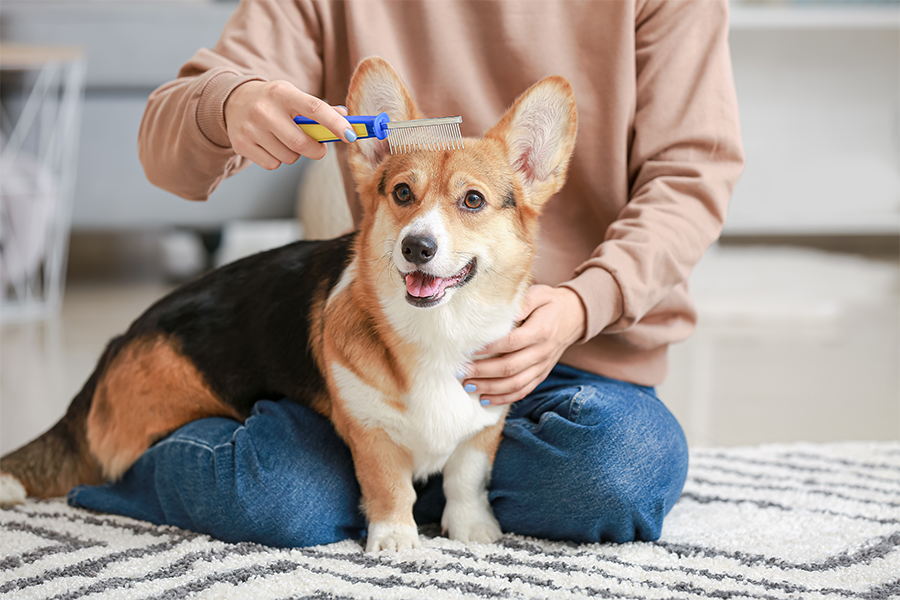
A clean, well-maintained coat serves many reasons that go beyond aesthetics. They regulate temperature and guards against environmental irritants and helps reduce the chance of developing infections. Regular grooming sessions also give the opportunity to spot any abnormalities like parasites, lumps or skin irritation before they turn into serious issues.
The Science Behind Coat and Skin Health
Every breed has a distinct coat structure that requires specialized maintenance. Double-coated dogs require proper methods of de-shedding to keep their insulation, whereas curly or wet coats require careful trimming to avoid matting and hair follicular stress. Understanding the cycles of hair growth is crucial to maintain the coat's density and shine.
The health of the skin is a key factor in overall wellbeing. The canine epidermis is the delicate balance of pH, and unsuitable products can erode the protective barrier. The gentle cleansing and moisture control ensure a healthy microbiome lessening dryness and irritation.
Brushing isn't just for cosmetic purposes It stimulates circulation and spreads natural oils. This improves elasticity and durability, ensuring that the coat stays robust and less susceptible to breaking.
Nail care also has a biomechanical impact. The growth of nails can affect their gait, leading to postural strain or joint strain. Regular trimming helps maintain mobility and long-term health of the musculoskeletal system.
Behavioral and Emotional Dimensions of Grooming
Grooming regimens help to build emotional stability when done consistently and with a sense of calm. Dogs who have been trained to handle in a structured manner increase their tolerance to touching which makes veterinary visits as well as home care more enjoyable. The familiarity of handling can reduce anxiety that comes with restrictions or new experiences.
Brushing early and bathing develops confidence. Children who have positive experiences with grooming are less reactive when they become adults. The repetition and the gentle encouragement provide an expectation of stability that helps build confidence in one's emotions.
The sensory components of grooming are also relaxing. Warm water, a steady brushing and cautious drying techniques are often a good way to relax. The dogs that are calmer tend to be more cooperative, which improves both efficiency and safety.
The midpoint of discussion on preventive medicine, Rockwall pet grooming shows how the localized focus can be seen as a trend towards holistic health practices. Grooming is now seen as an essential component of veterinary treatment, not an as an optional maintenance.
Hygiene, Allergens, and Preventive Monitoring
Allergens from the environment are often accumulated in the coat of dogs. Regular bathing helps remove dust, pollen and other particles that could cause uncomfortable itching and discomfort. This not only helps the dog, but it helps to keep the living space.
The hygiene of the ear is another important aspect. Breeds with ear slits are especially vulnerable to the retention of moisture and infections. Regularly cleaning can prevent the buildup of wax and the growth of bacteria.
Dental care, although not an equivalent to vet procedures that are performed by professionals, can help improve general oral health when it is integrated in grooming routines. Healthy gums and clean teeth help to maintain a healthy system.
Sanitary trims improve hygiene and decrease the chance of irritation in areas that are sensitive. The proper method ensures cleanliness without compromising the integrity of skin.
Determining the Right Grooming Frequency
The frequency of grooming is contingent on the coat type as well as activity level and the seasonal changes. Active dogs require more frequent grooming and low-shedding breeds have regular grooming cycles. The individualized schedule ensures the coat's health and hygiene without washing too often.
Excessive bathing can strip natural oils, which can cause inflammation and dryness. A regular schedule helps protect the skin barrier, while ensuring hygiene. Examining the texture of the coat and skin condition can help determine the best timing.
The shedding season also affects grooming requirements. During the transitional period targeted de-shedding stops mat formation and increases airflow in the coat.
Professional Expertise and Safety Standards
Professionals with expertise in grooming understand the anatomy of an animal and specific hairstyles. Cutting with precision is in harmony with naturally occurring growth pattern and increases the comfort of your skin. Knowing the skin's conditions allows the early detection of any potential issues.
Security is the most important thing. A clean, well-maintained equipment, the right restraint procedures, and careful surveillance reduce the risk of accidents during grooming sessions. Professional supervision ensures that the procedures remain effective and stress-free.
Communication between groomers and owners helps in ensuring preventive treatment. The sharing of observations regarding the changes in coat or behavior helps with prompt health interventions.
Long-Term Benefits of Consistent Grooming
Regular grooming can prolong your life by preventing a number of preventable problems like skin infections caused by mats or joint pain from untreated nails. Healthy coats help to insulate the body in winter, and also allow for ventilation during the warmer months.
Dogs who are groomed regularly frequently show increased confidence. The comfort of dogs can lead to more interactions as well as a calmer manner in a variety of settings.
Grooming can also strengthen bonding. If dogs associate routines of grooming to positive memories, trust builds with their pet care providers.
In the larger perspective of changing standards for pet care, Rockwall pet grooming offers an active approach to dog health and wellbeing. Through integrating hygiene, behavior awareness and coat science grooming can be a key element of overall health and quality of life for dogs.