Motion Sickness, Nausea & Vomiting: A Complete Patient-Friendly Guide

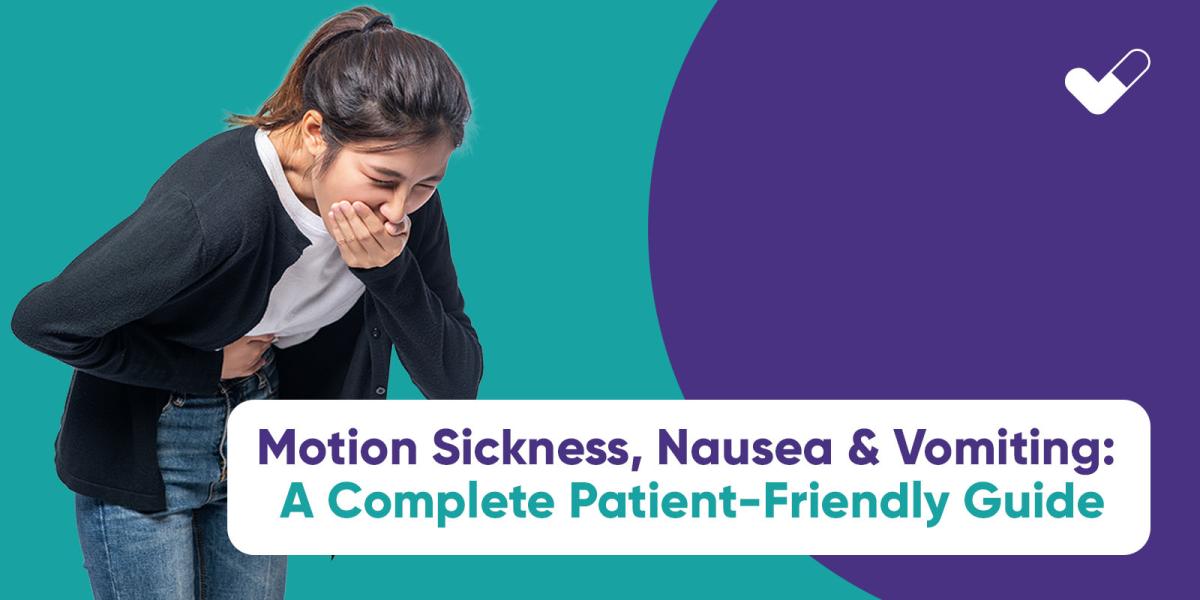
Feeling nauseous or vomiting can be upsetting, especially when it comes suddenly during travel, illness, or weather changes. For many people, motion sickness or nausea is not a serious issue, but it can quickly disrupt daily life, travel plans, and even appetite and hydration.
The good news is that most causes of nausea and vomiting are manageable when you understand why they happen and how to respond early. This guide explains common triggers, warning signs, and practical ways to feel better.
Why Motion Sickness Happens
Mixed signals from your eyes, your inner ear, and your body cause the brain to misinterpret what is happening in your body. For example, if you were in a moving car or bus, your inner ear would detect that the car or bus is moving, while you would be looking down at an object (such as reading or watching something). The confusion this can cause in the brain can lead to nausea.
Common situations that cause motion sickness include:
- Long car or bus journeys
- Boat or ferry travel
- Air travel during turbulence
- Hilly or winding roads
Children, pregnant women, and people with migraines are more prone to motion sickness.
As per NHS guidance on feeling sick (nausea), nausea can be caused by many conditions. If you are also vomiting, there is a risk of dehydration, so it is important to sip fluids and seek medical advice if symptoms persist or worsen.
Other Common Causes Of Nausea And Vomiting
Not all nausea is related to travel. Many everyday conditions can cause these symptoms.
Some frequent causes include:
- Viral infections of the stomach
- Food poisoning
- Acid reflux
- Fever or flu
- Dehydration
- Side effects of medicines
- Anxiety or stress
In winter, nausea may be linked to infections, reduced fluid intake, or changes in routine.
Early Signs You Should Not Ignore
Nausea usually does not occur on its own. The body often shows early warning signs before vomiting starts.
Early signs include:
- Uneasy or heavy feeling in the stomach
- Excessive salivation
- Dizziness or light-headedness
- Cold sweats
- Loss of appetite
Responding early can often prevent vomiting altogether.
Simple Steps To Manage Mild Nausea At Home
For mild symptoms, small adjustments can bring relief.
Helpful measures include:
- Sitting upright or lying with the head elevated
- Sipping water or oral rehydration solution
- Eating small, bland meals
- Avoiding oily, spicy, or strong-smelling foods
- Taking fresh air breaks during travel
Slow and steady intake works better than forcing food or fluids.
Medicines That Help Control Nausea
Medications may be recommended when nausea persists or becomes extreme. Doctors may prescribe Emeset 8mg tablets containing Ondansetron, which is used to treat nausea/vomiting by inhibiting nerve pathways in the brain that signal nausea and vomiting.
It is commonly used for:
- Severe nausea and vomiting
- Gastrointestinal infections
- Post-surgical nausea
- Treatment-related vomiting
This medicine should be taken only as advised by a healthcare professional.
When Vomiting Becomes A Concern
Occasional vomiting may not be serious, but repeated episodes can lead to dehydration and weakness.
Seek medical attention if:
- Vomiting lasts more than 24 hours in adults
- There is blood in vomit
- Severe abdominal pain is present
- Signs of dehydration appear
- Vomiting occurs with high fever
Early medical care prevents complications.
Motion Sickness Tips For Travel
If you know you're prone to motion sickness, it is very important to prepare in advance.
Here are some practical tips:
- Sit in the front seat of a vehicle or over the wings of an aircraft.
- Look out at the horizon rather than staring at a monitor.
- Avoid large meals before travelling.
- Take regular breaks while travelling long distances.
- Leave the windows slightly open for fresh air.
These steps will help to lessen your sensory distortion and alleviate any discomfort that may result from travelling.
Winter Travel And Nausea Prevention
Cold-weather travel brings its own challenges. Reduced hydration, heavy meals, and infections increase the risk.
When planning trips, include Essential Medications to Pack for Winter Travel, such as:
- Antiemetic medicines prescribed by your doctor
- Oral rehydration salts
- Fever-reducing medication
- Motion sickness tablets, if advised
Being prepared reduces anxiety and discomfort during travel.
Diet Choices That Support Recovery
What you eat matters when you have nausea.
Better food choices include:
- Plain rice or toast
- Banana or apple
- Clear soups
- Curd or yoghurt in small amounts
Avoid alcohol, fried foods, and strong spices until symptoms improve.
Special Groups Who Need Extra Care
Some people need closer monitoring when nausea occurs:
- Pregnant women
- Older adults
- Young children
- People with diabetes or kidney disease
In these groups, dehydration can develop quickly.
When To See A Doctor Without Delay
Medical evaluation is important if:
- Nausea interferes with daily activities
- Vomiting is severe or continuous
- Medicines do not provide relief
- There is unexplained weight loss
- Symptoms return frequently
Timely care ensures safe treatment and reassurance.
Final Thoughts
Nausea, vomiting, and motion sickness are generally mild to moderate but can be managed with proper attention and care. Knowledge of motion sickness triggers, responding quickly to your body's signals, and taking medication responsibly can help prevent the progression of symptoms. In addition, it's important to listen to your body; if you experience persistent or unusual nausea, it's advisable to consult a healthcare professional for further evaluation.
With simple precautions and timely care, these symptoms need not disrupt your health or travel plans.