Perlite Potting: The Foundation Of Healthy Container Gardening In Oregon And Beyond

Perlite potting plays a quiet but critical role in successful gardening, especially in regions like Oregon where weather patterns, soil conditions, and plant varieties demand balance. Whether you are growing ornamentals on a Portland balcony, managing a nursery in the Willamette Valley, or mixing soil for raised beds, perlite helps create the structure plants need to thrive. As a lightweight, sterile, and highly effective amendment, perlite has become a staple in modern potting mixes across the West Coast and the wider United States.
What Is Perlite Potting and How It Works
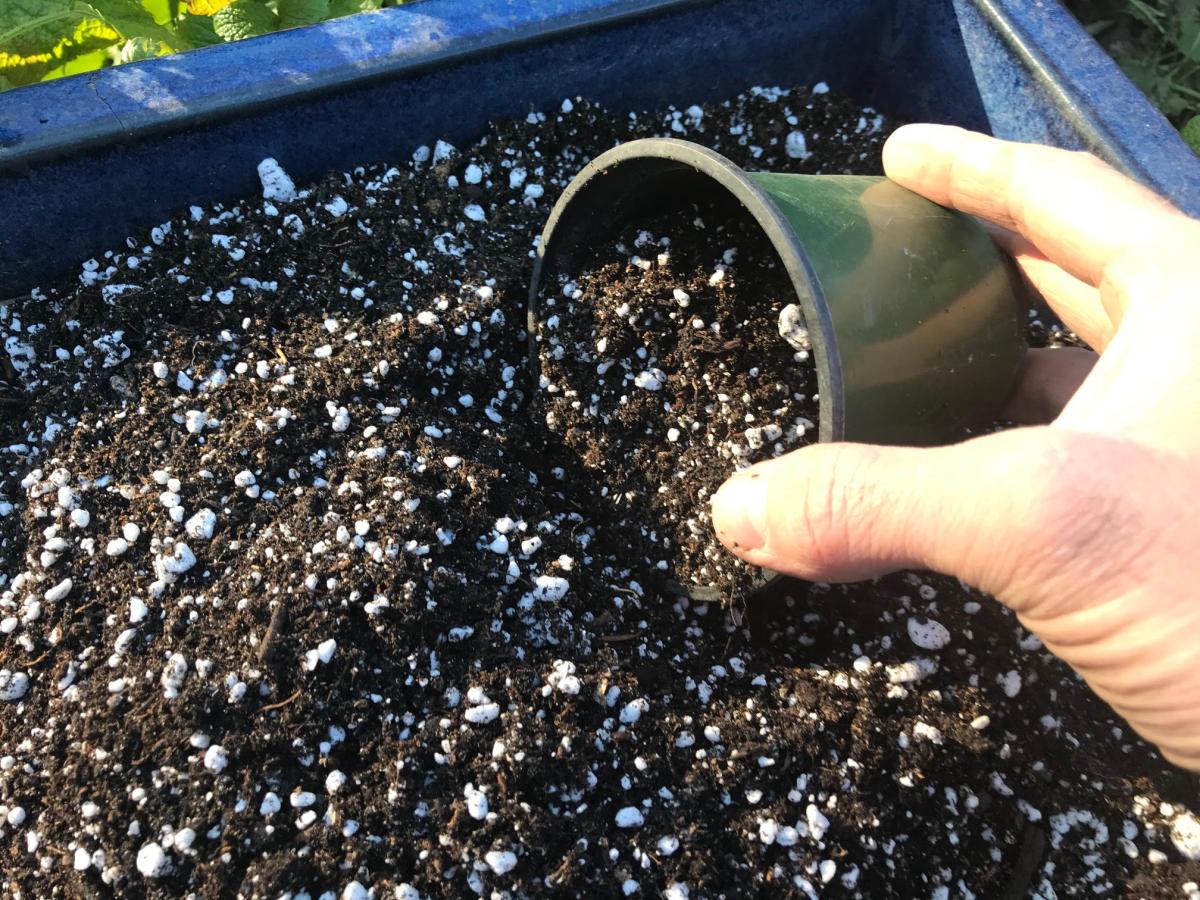
Perlite potting refers to the use of expanded perlite as a key component in potting soils and container mixes. Perlite is a naturally occurring volcanic glass that expands when heated, forming lightweight, porous white granules. These granules create air pockets within the soil, allowing roots to breathe while excess water drains freely.
In practical terms, perlite for potting soil improves both aeration and moisture control. Roots gain access to oxygen, which supports strong growth, while water moves evenly through the container instead of pooling at the bottom. This balance is especially important for container-grown plants, where soil structure directly impacts plant health.
Why Perlite Potting Is Different From Standard Soil Additives
Unlike sand or compost, perlite does not compact over time. This makes perlite potting mixes reliable for long-term use in containers, hanging baskets, and indoor plants. The consistent structure keeps soil light and workable, reducing stress on roots and preventing common problems like rot or fungal disease.
Benefits of Using Perlite in Potting Mixes
Adding perlite to potting soil offers several clear advantages for both home gardeners and professional growers:
Improved drainage: Excess water escapes easily, protecting roots.
Better aeration: Oxygen reaches root systems more efficiently.
Lightweight potting media: Containers are easier to move and manage.
Neutral and sterile: Perlite does not alter soil pH or introduce pathogens.
Long-lasting structure: Soil remains loose throughout the growing season.
A potting mix with perlite is especially valuable for plants that prefer well-drained conditions, including herbs, succulents, vegetables, and many ornamental species.
Perlite Potting Applications in Oregon Gardening
Oregon’s diverse climate zones make perlite an essential tool for gardeners statewide. In Portland, Oregon, frequent rainfall and cool temperatures can easily lead to waterlogged containers if drainage is poor. Perlite in container gardening helps offset this risk by maintaining airflow even during wet periods.
Nurseries and landscapers across Oregon rely on perlite potting mixes for bedding plants, shrubs, and greenhouse crops. Urban gardeners benefit as well, particularly those growing on patios, rooftops, and balconies where containers are the primary growing method. Lightweight potting media reduces structural load while still supporting healthy root development.
Perlite Potting for Seasonal and Indoor Plants
Indoor houseplants are another area where perlite potting excels. In Oregon homes, reduced winter light and slower evaporation can make overwatering a common issue. Perlite helps regulate moisture, keeping roots healthy year-round without constant adjustment.
West Coast Usage Trends: California and Washington
Beyond Oregon, perlite potting is widely used throughout California and Washington. In California, where water efficiency is a priority, potting mixes with perlite support controlled irrigation and reduce waste. Gardeners can water thoroughly without fear of soil compaction or root suffocation.
Washington growers, particularly in coastal and western regions, face challenges similar to Oregon’s. High humidity and regular rainfall make drainage essential, and perlite provides consistency across different plant types and growing systems. From commercial greenhouses to backyard gardens, perlite remains a trusted component of West Coast horticulture.
Broader Use of Perlite Potting Across the USA
Across the United States, perlite potting has become standard practice in container gardening, nursery production, and greenhouse operations. Its lightweight nature reduces shipping costs for commercial growers, while its performance benefits appeal to gardeners at every level.
From arid regions to humid climates, perlite adapts well because it supports drainage without eliminating moisture retention entirely. This flexibility makes it suitable for a wide range of crops, climates, and growing styles nationwide.
How to Choose the Right Perlite Potting Mix
Selecting the right potting mix depends on plant type, container size, and local conditions. When evaluating options, consider the following factors:
Particle size: Coarse perlite offers more drainage; finer grades blend smoothly for seed starting.
Mix ratio: Vegetables and flowers often benefit from higher perlite content, while moisture-loving plants need less.
Intended use: Indoor plants, outdoor containers, and greenhouse crops all have slightly different needs.
For reliable quality and consistent performance, many gardeners turn to trusted suppliers like perlite potting solutions designed specifically for horticultural use.
FAQs About Perlite Potting
What plants benefit most from perlite potting?
Most container plants benefit, especially vegetables, herbs, flowering annuals, and houseplants that need good drainage.
Is perlite safe for organic gardening?
Yes, perlite is inert, sterile, and commonly used in organic growing systems.
How much perlite should I add to potting soil?
A typical ratio is 10–30% perlite, depending on the plant’s drainage requirements.
Does perlite break down over time?
No, perlite maintains its structure, making it ideal for long-term container use.
Can perlite be reused?
Yes, perlite can be reused after proper cleaning and sterilization.
Conclusion: Why Perlite Potting Remains Essential
Perlite potting continues to be a cornerstone of successful container gardening in Oregon, throughout the West Coast, and across the USA. Its ability to improve drainage, enhance aeration, and create lightweight potting media makes it invaluable for gardeners seeking reliable results. Whether you are tending plants in Portland, expanding production in California, or growing nationwide, perlite provides the foundation for healthier roots and stronger plants.