Plant Protection

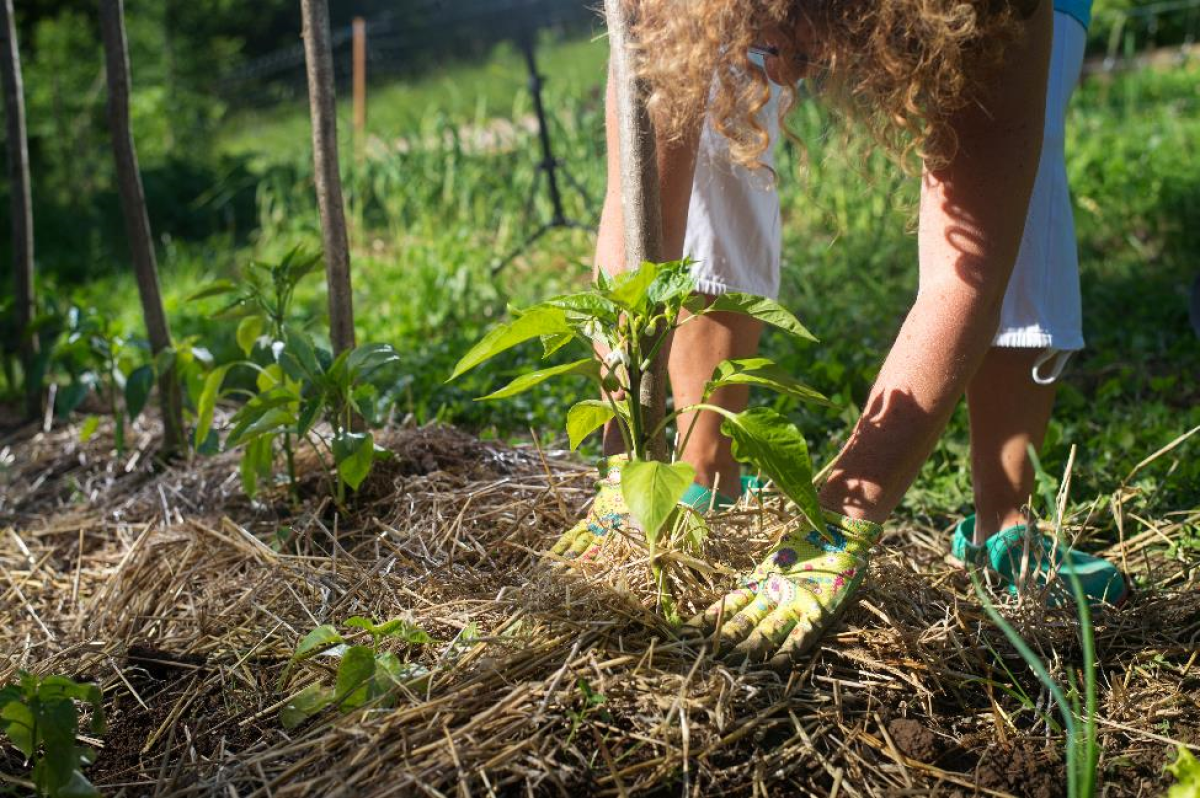
Those who closely follow the agricultural sector frequently emphasize that crop health is as important
as yield in production. Diseases and pests that threaten plant development can lead to serious losses in agricultural production, and this is where the importance of plant protection practices comes to the fore.
For farmers engaged in field and garden production, keeping plants healthy is one of the fundamental conditions for obtaining quality products. According to expert assessments, thanks to regular protection efforts, plants develop strongly and stability in production is ensured.
What is Plant Protection?
Plant protection used in agriculture encompasses practices that protect plants against threats such as diseases, pests, and weeds. Plants are exposed to many environmental influences during their growth process, and these influences can sometimes negatively affect crop development.
Experts state that regular checks are necessary for plants to grow healthily. Monitoring the plant's development process and identifying potential risks early provides a great advantage for producers. In addition, thanks to the protection efforts carried out in agricultural areas, plants undergo a strong development process.
Why is Plant Protection Important for Agriculture?
In agricultural production, keeping plants healthy directly affects crop yield. Disease or pest attacks can slow the development of living plants and reduce yield. According to experts, regular protection measures prevent producers from experiencing product loss and ensure balanced plant development.
Observations in agricultural areas also show that yields can decrease significantly when protection practices are neglected, therefore, protection practices are critical for producers!
What are Plant Protection Methods?
Different protection methods are applied in agricultural areas; these methods are determined according to the type of plant, the region where it grows, and the problem encountered.
The methods used include:
· Chemical control
· Biological control
· Cultural control methods
· Physical control applications
· Preference for resistant plant varieties
The aim of each method is to protect the health of the plants. The application method is determined according to the production conditions.
Diseases and Pests Damaging Plants
There are many risks that plants face in agricultural areas, and diseases and pests occupy an important place among these risks. Studies conducted by experts show that fungal diseases, bacterial infections, and some insect species damage plants.
Symptoms such as leaf spotting, root rot, or stunted growth can be indicators of these problems. Early detection of diseases and pests is crucial for plant protection. Regular inspections in agricultural areas provide significant advantages to producers.
Things to Consider in Plant Protection Applications!
Agricultural experts emphasize the need for conscious action in protection applications. Unplanned applications can harm plants or have negative environmental impacts.
Things to consider in protection efforts:
· Plants should be regularly observed
· Disease symptoms should be detected early
· The appropriate control method should be selected
· The correct dosage should be applied
· The recommendations of agricultural experts should be taken into account
When the necessary precautions are taken, plant development progresses healthily. Protection applications are also of great importance for producers who want to achieve sustainable success in agricultural production.
Knowing about plant protection is important for understanding the health of your plants.