Popular Fabrics Used In Polo T-Shirts
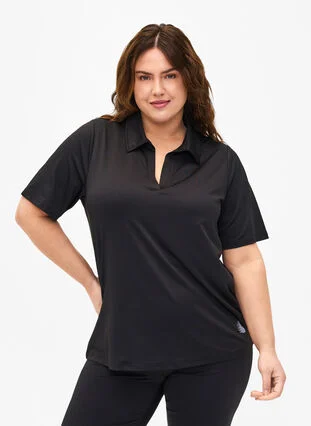
Introduction Selecting the right fabric is essential in polo T-shirt production. Popular fabrics include cotton, polyester, cotton-poly blends, and performance materials. Each type serves different purposes such as comfort, durability, cost-effectiveness, or athletic performance. Businesses, teams, and retailers must understand the advantages and limitations of each fabric to make informed decisions. Fabric choice affects not only comfort but also longevity, appearance, and brand presentation. Manufacturers often provide swatches and samples to evaluate fabric quality before placing bulk orders. By understanding popular fabric types, organizations can choose materials that balance style, functionality, and cost, ensuring professional, high-quality fabrics polo T-shirts.
Cotton
Cotton is natural, soft, and breathable, making it ideal for casual and professional wear. It absorbs moisture, allowing the wearer to stay comfortable. Ring-spun and combed cotton provide smoother textures and enhanced durability. Organic cotton offers eco-friendly options for environmentally conscious organizations. Cotton is suitable for office uniforms, school shirts, and promotional merchandise due to its comfort, vibrant color retention, and professional look.
Polyester
Polyester is lightweight, durable, and moisture-wicking, making it perfect for sports, outdoor work, and activewear. It resists shrinking, wrinkles, and color fading. Polyester also supports sublimation printing, allowing full-color designs that remain vibrant over time. Its low maintenance and cost-effectiveness make it a popular choice for bulk orders and uniforms that require frequent washing.
Cotton-Polyester Blends
Blends combine the comfort of cotton with polyester’s durability. They resist wrinkles, shrinkage, and fading while maintaining shape. Blends are versatile, suitable for casual wear, corporate uniforms, and sports. Manufacturers can adjust ratios to emphasize softness or durability depending on intended use. Blended fabrics are cost-effective for bulk orders and maintain consistent quality.
Performance Fabrics
Performance fabrics are designed for high-activity or outdoor use. Moisture-wicking, quick-drying, and stretchable fabrics ensure comfort and flexibility. Anti-odor, UV-protective, and breathable materials enhance functionality. These fabrics maintain color and shape after repeated use, making them suitable for sports teams, event staff, and outdoor employees.
Specialty Fabrics
Some manufacturers offer specialty fabrics like pique knit, mesh, or bamboo blends. Pique knit provides a textured, professional appearance; mesh enhances breathability for sportswear, and bamboo blends are eco-friendly and soft. Specialty fabrics allow customization for specific needs while providing durability and comfort.
Conclusion
Popular fabrics in polo T-shirts include cotton, polyester, blends, and performance materials. Each fabric type offers unique benefits for comfort, durability, maintenance, and appearance. Understanding fabric properties helps businesses, teams, and retailers select high-quality, professional shirts suited to their needs. Proper fabric selection ensures long-term satisfaction, durability, and effective branding.