Recognizing Stroke Symptoms: Why Immediate Medical Attention Saves Lives?

A stroke happens when the blood supply to part of the brain is interrupted or reduced, preventing brain tissue from getting oxygen and nutrients. The brain cells begin dying within minutes, so prompt medical treatment is essential. Professionals are often armed with specialized hospitals with advanced diagnostic equipment. their emergency response teams. Identifying the early signs — sudden numbness, trouble speaking or seeing, loss of balance — can greatly increase the likelihood of survival and recovery. Prompt assessment via brain imaging and neurologic examinations allows physicians to determine both the nature of the stroke and its intensity.
Types of stroke and their clinical significance
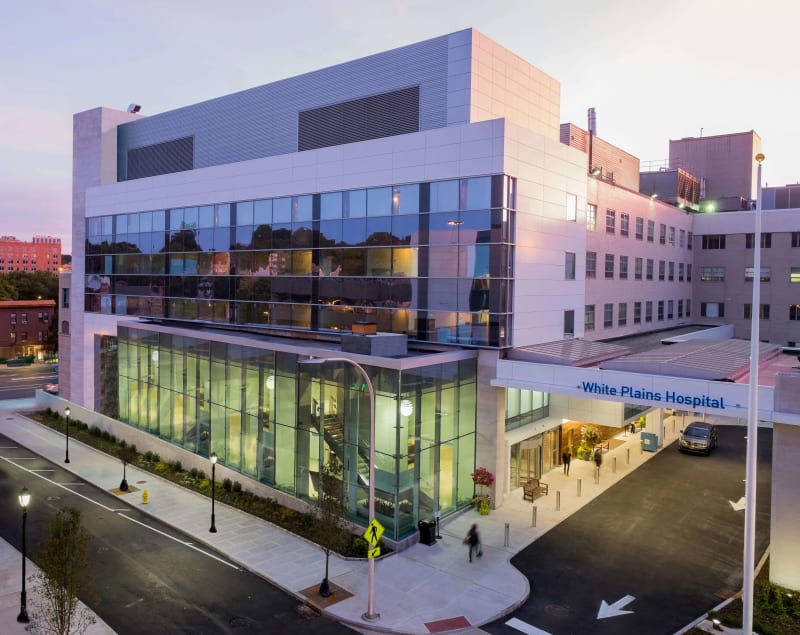
Stroke is broadly categorized as ischemic and hemorrhagic. Ischemic strokes are caused by a blood clot that blocks an artery supplying blood to the brain, cutting oxygen flow to brain tissue. In comparison, a hemorrhagic stroke occurs when a damaged blood vessel bursts and begins filling the brain with blood. Similar to the case Stroke recovery services White Plains, access advanced imaging tools like CT scans and use MRI to detect the cause quickly and treat it effectively.
Contemporary treatment modalities and urgency
Recent years have seen the emergence of new treatment advances that have improved patient outcomes following stroke. Interventions like intravenous thrombolysis and mechanical thrombectomy can dissolve or remove clots if done early. Hospitals that treat stroke in White Plains, New York, are all hands on deck and responsive so that we can see the highest chance of restoring blood flow to lower the risk for longer-term damage."
Rehabilitation and Long-Term Recovery
The amount of recovery after a stroke will depend on the extent of damage to the brain and the area affected. However, rehabilitation programs often start early — shortly after the patient is stabilized — and can include physical therapy, occupational therapy, and speech therapy. These services help patients regain mobility, communication skills, and independence in daily activities. Rehabilitation programs for stroke in White Plains, New York, typically include individualized therapy plans developed to help restore strength, coordination, and cognitive function gradually.
Prevention strategies and lifestyle awareness
To prevent stroke, risk factors for cardiovascular and cerebrovascular disease must be addressed. Among the biggest factors are high blood pressure, smoking, diabetes, obesity, and high cholesterol. Regular health checks and lifestyle changes, including a balanced diet, regular exercise, and stress management, can significantly reduce the risk. So do community health initiatives and educational programs that raise awareness about prevention and early symptoms.
By knowing the causes, warning signs, and treatment options related to a stroke, people can react swiftly to receive help. Early detection, advances in medical technology, and rehabilitation programs are ever- improving treatment for many patients with this life-altering neurological disease.
For more details about Stroke rehabilitation care White Plains, please visit our website :- wphospital.org