Safe Toys For Kids: What Parents Should Look For

Choosing toys for children is not just about picking something colorful or fun. For parents, safety should always come first. Toys play a big role in a child’s daily life, helping them learn, explore, and grow. However, unsafe toys can lead to injuries, health risks, or accidents. That is why understanding what makes a toy safe is extremely important.
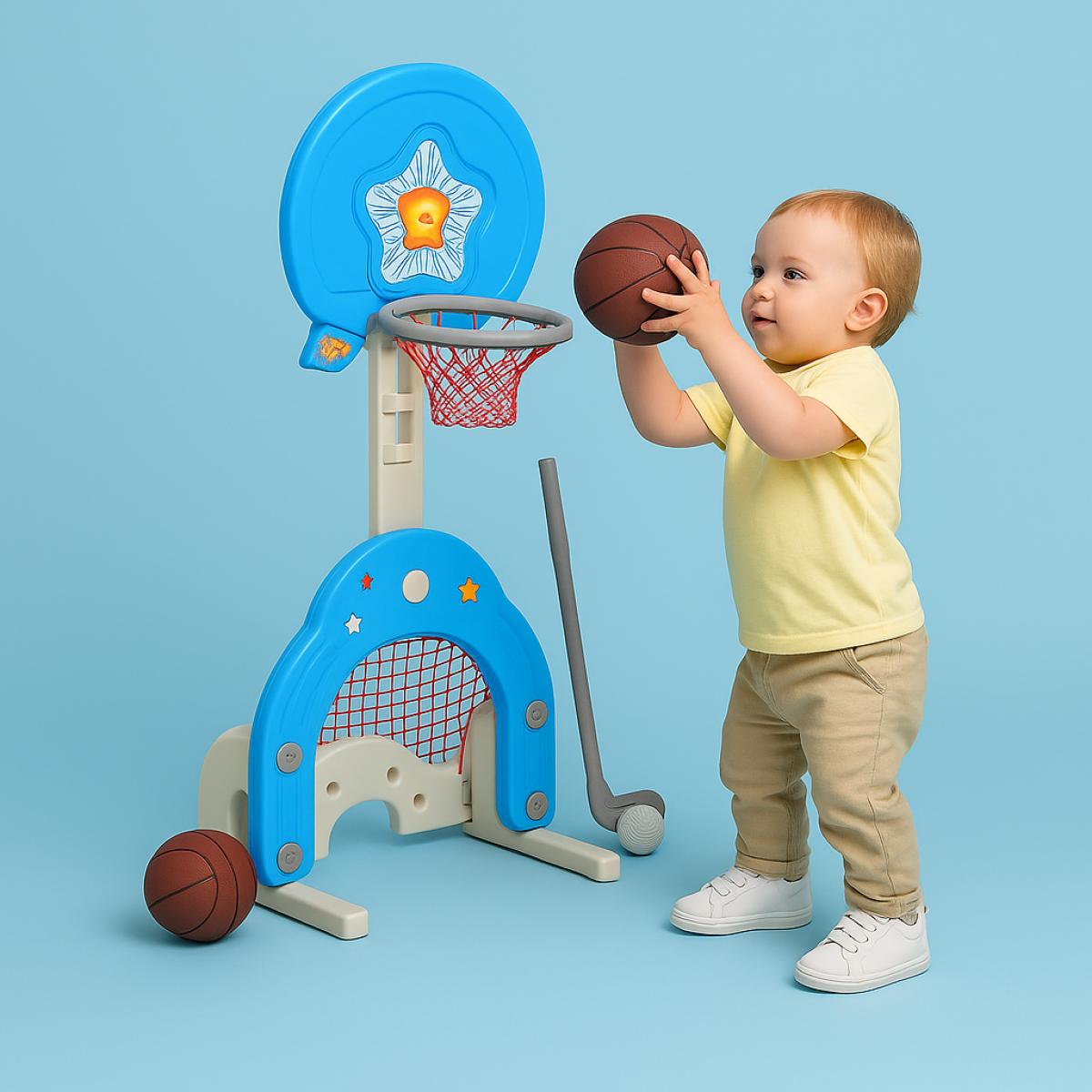
Here is a complete guide to help parents choose safe toys for kids with confidence.
Why Toy Safety Matters
Children, especially younger ones, interact with toys in ways adults may not expect. They may put toys in their mouths, drop them, climb on them, or use them differently than intended. Because of this, toys must be designed to handle rough use while remaining safe.
Safe toys protect children from common risks such as choking hazards, sharp edges, toxic materials, and structural instability. When parents choose carefully, they create a safe environment where children can play freely without unnecessary danger.
Check Age Appropriateness
One of the most important factors when buying toys for kids is age suitability. Toy manufacturers usually provide age recommendations for a reason. These guidelines consider a child’s physical abilities, coordination, and safety risks.
For example:
- Toys with small detachable parts are unsafe for toddlers.
- Complex construction toys may frustrate very young children.
- Large climbing toys may not be suitable for infants.
Always match the toy to your child’s age and development level rather than just their interest.
Look for Non-Toxic Materials
Children often touch toys and then put their hands in their mouths. Some may even chew on toys. This makes material safety extremely important.
Parents should choose toys made from:
- Non-toxic plastics
- BPA-free materials
- Lead-free paints
- Certified child-safe finishes
Avoid toys with strong chemical smells, as they may contain harmful substances. High-quality toys usually mention safety certifications on their packaging.
Avoid Sharp Edges and Loose Parts
Safe toys for kids should always have smooth surfaces and rounded edges. Sharp corners can cause cuts, especially during active play.
Parents should also check for:
- Loose screws or detachable parts
- Easily breakable pieces
- Thin plastic sections that may crack
Toys should feel sturdy and well-built. If something looks fragile, it may not be safe for regular use.
Check Stability for Ride-On and Large Toys
For bigger toys such as ride-ons, slides, or play equipment, stability is crucial. A toy should have a wide, balanced base that prevents tipping over during use.
Parents should look for:
- Anti-slip surfaces
- Strong support frames
- Proper weight capacity labels
Stable toys reduce the risk of falls and injuries during active play.
Consider Size and Choking Hazards
Small parts are one of the most common safety risks for young children. Any object small enough to fit inside a child’s mouth can become a choking hazard.
As a simple rule:
- Avoid toys with small detachable pieces for children under three.
- Check if parts can easily break off.
- Inspect toys regularly for wear and tear.
Even safe toys can become dangerous if they get damaged over time.
Choose Durable and High-Quality Toys
Durability is an important safety factor. Cheap or poorly made toys can break easily, creating sharp edges or loose pieces.
High-quality toys are:
- Made from strong materials
- Designed to withstand rough play
- Tested for long-term use
While they may cost more initially, durable toys are safer and last longer.
Check Safety Certifications
Many reliable toy brands follow national and international safety standards. Parents should look for certification marks that confirm the toy has been tested.
Common indicators include:
- BIS certification (India)
- ASTM or EN safety standards
- Manufacturer safety labels
These certifications ensure the toy meets strict safety guidelines.
Think About Supervision Needs
Some toys are safe but still require adult supervision, especially those involving movement, climbing, or small components.
Parents should:
- Monitor younger children during playtime
- Teach safe usage rules
- Store toys properly after use
- Supervision adds an extra layer of safety, especially for active toys.
Teach Children Safe Play Habits
Even the safest toys can become risky if used incorrectly. Teaching children simple safety habits is essential.
Parents can encourage:
- Not throwing toys at others
- Using toys as intended
- Sharing without pushing or rough play
When children understand safety rules, accidents are less likely to happen.
Conclusion
Safe toys for kids are not just about avoiding accidents—they help create a secure environment where children can explore, learn, and enjoy playtime confidently. By checking age suitability, materials, design quality, and safety certifications, parents can make smart choices.
Remember, the best toy is not just the most attractive one—it is the one that combines fun, learning, and safety. When parents prioritize safety, they give children the freedom to play happily and grow without risk.