Smart Upgrades For Efficient Home Water Heating

A solid hot water system that is reliable is crucial to hygiene, comfort, and stability of energy in every home. The majority of homeowners start looking for Hot Water Tank Replacement Lethbridge after experiencing fluctuating temperatures, increasing cost of utilities, or the apparent wear on old equipment. Being aware of the time when a tank is reaching an end point in its lifespan can prevent any disruption and also ensures the long-term efficiency of plumbing.
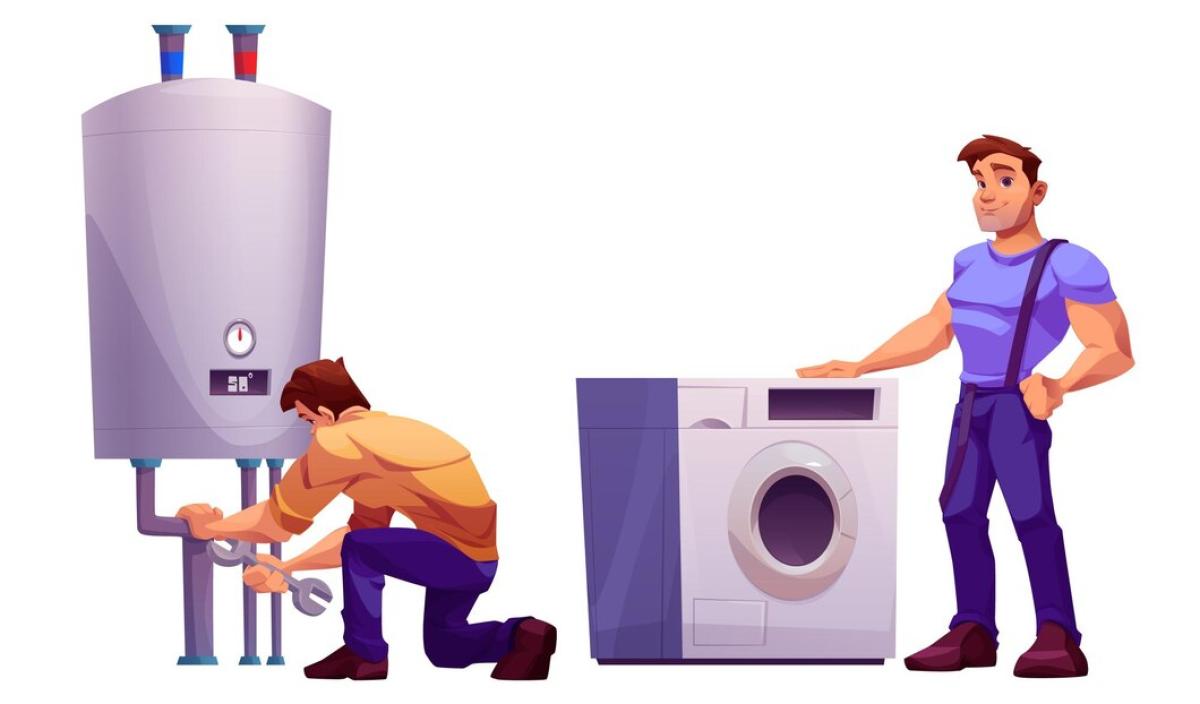
Water heaters function under constant pressure and thermal stress. As time passes, the accumulation of sediment is formed on the base of tanks, which acts as an insulation to heater elements from water they needs to heat. This makes the system use more energy and deliver lower levels of performance.
Signs Your Water Heater Is Nearing Replacement
Small performance changes can indicate an internal decline that is more severe. Rumbling noises during heating cycles or the appearance of discolored hot water are all common warning indicators. These signs typically indicate an accumulation of sediment or internal corrosion.
Leaks at the bottom of the tank indicate an advanced phase of failure. Even minor leaks can cause mold growth, structural damage and a damaged flooring. Making repairs early can prevent situations of emergency and additional repair cost.
A rise in monthly energy costs without changing the usage of your system is another indicator. Tanks that age lose efficiency slowly and operational costs rise slowly over time.
Understanding the Lifespan of a Hot Water Tank
The majority of traditional water heaters for storage are effective for between eight and twelve years, contingent on the water's quality as well as the frequency of maintenance. Minerals in hard water accelerate accumulation, which reduces the efficiency of the internal system and reducing its lifespan.
The anode rod that was designed to protect the tank, begins to degrade slowly. When it is depleted, the corrosion starts damaging the tank's lining. As this process progresses repair options are made temporary instead of long-term solutions.
In the middle of evaluating the system's performance Many households review the advantages from the Hot Water Tank. Replacement Lethbridge to avoid unexpected breakdowns and to restore reliable heating capacity.
Modern Advancements in Water Heating Technology
The new generation of hot water tanks have been designed with better insulation, improved heating elements, and more sophisticated temperature control systems. These improvements reduce standby heat loss, thus reducing the overall energy use.
Modern models can heat water faster while ensuring the same output. This increases efficiency throughout the day especially in homes with greater demand from multiple bathrooms or appliances running simultaneously.
Some systems include digital controls that allow for precise temperature control. This improves security while reducing the amount of energy due to overheating or cycling inefficiencies.
Safety and Structural Considerations
A deteriorating water tank is not just an inconvenience It can also pose dangers to your safety. The buildup of pressure inside the tank, coupled with corrosion increase the chance for ruptures or abrupt leaks. The smallest structural flaws may become severe when exposed to high temperatures.
Damage to the tank caused by water failure could affect walls, flooring, or insulation. The spread of moisture can extend over a larger zone, which can result in expensive restoration efforts. The proactive approach to replacement greatly reduces the chance of this happening.
Modern safety features, such as improved pressure relief valves as well as temperature sensors, enhance reliability of the system. Modernization ensures the system is in line with the latest standards and minimizes risks to operation.
Energy Efficiency and Environmental Impact
The replacement of an old tank can bring about significant reductions in energy usage. Better insulation as well as efficient heat cycles cut down on the use of gas or electricity and reduce monthly utility costs.
Effective systems can also lower greenhouse gas emissions resulting from high heating demand. This ties in with wider sustainable goals and also helps to ensure the stability of budgets for households.
A steady supply of hot water improves appliance performance too. Dishwashers and washing machines work more efficiently when provided with stable temperatures, which improves the cleaning results and decreasing repetition cycles.
Planning for a Seamless Transition
An accurate assessment of your household's water consumption is vital prior to choosing a replacement model. Tank capacity and energy source compatibility and recovery rate should be in sync with the usage patterns in order to guarantee the best performance.
A professional assessment can help determine the right size and configuration for installation. Proper installation will ensure proper venting, a safe pressure balance and long-term reliability of operation.
Regular maintenance after replacement will increase longevity. Cleaning the tank regularly as well as monitoring the internal parts keep the system in good working order for a long time.
Replacing a hot-water tank is an investment in safety, efficiency and long-term cost management. When you address performance issues earlier, homeowners can protect their property and have continuous accessibility to warm water. If approached in a proactive manner, Hot Water Tank Replace Lethbridge is more than a simple repair and is an innovative upgrade that increases energy efficiency structural safety, as well as daily comfort in the house.
Kodiak Plumbing & Gasfitting Ltd.
Phone: (403) 327-5604
Address: 614 36 St N, Lethbridge, AB T1H 5H7
Website: www.kodiakplumbing.ca