Solar Panels And Batteries: Powering A Cleaner And Smarter Energy Future

The Rise of Solar Energy in Everyday Life
Solar energy has moved from being a futuristic idea to a practical solution found on rooftops, in fields, and even in portable devices. At its core, solar power relies on panels made of photovoltaic (PV) cells that convert sunlight directly into electricity. When sunlight hits these cells, it excites electrons and generates an electric current that can be used to power homes, businesses, and appliances. Over the past decade, the cost of solar panels has dropped significantly while their efficiency has improved, making solar installations more accessible to homeowners and companies alike. This shift has been driven not only by environmental awareness but also by the desire for energy independence and protection against rising utility inverters prices. Solar panels produce electricity without burning fuel, creating noise, or emitting greenhouse gases, which makes them one of the cleanest energy sources available today.
How Solar Panels Work Beyond the Basics
While the idea of turning sunlight into power sounds simple, the technology behind solar panels is the result of decades of scientific innovation. Most residential systems use silicon-based panels, where multiple PV cells are wired together and sealed under protective glass. These panels generate direct current (DC) electricity, which then flows to an inverter that converts it into alternating current (AC), the type of electricity used by most household devices. The amount of energy a system produces depends on several factors, including panel orientation, roof angle, geographic location, and weather patterns. Even on cloudy days, panels can still generate power, though at reduced levels. Modern systems often include monitoring software that allows homeowners to track energy production in real time, helping them understand usage patterns and optimize savings. This combination of hardware and digital tools has made solar not just an energy source, but a smart energy management system.
The Critical Role of Batteries in Solar Systems
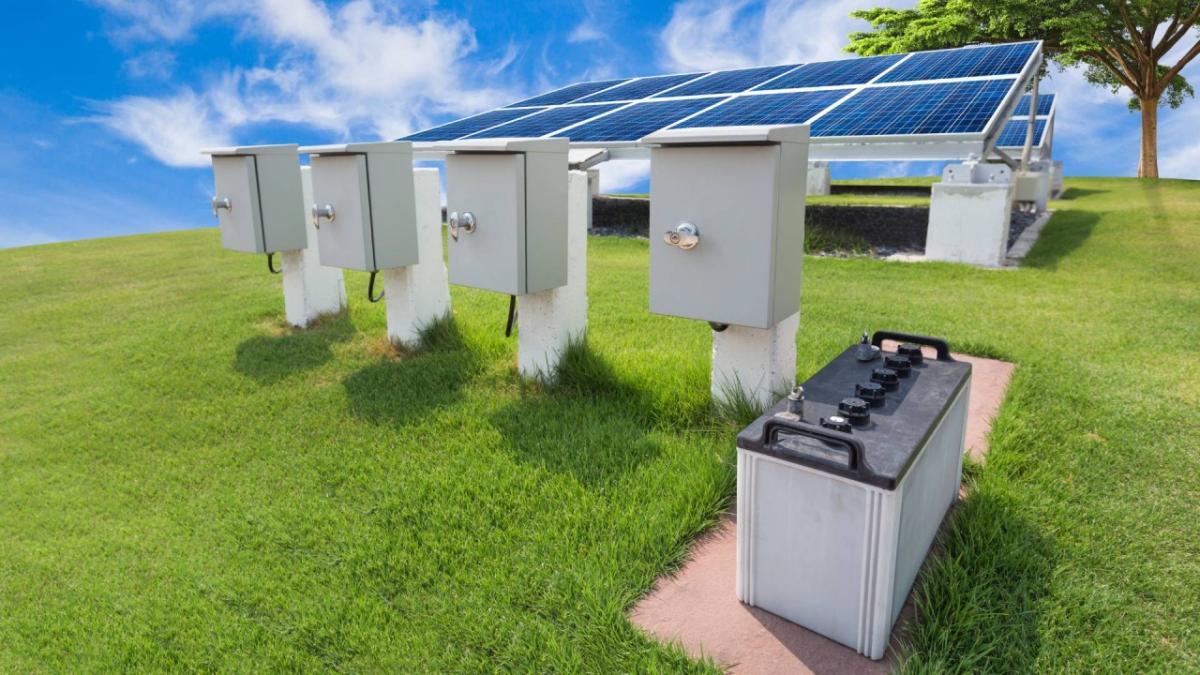
Solar panels generate electricity only when the sun is shining, which creates a mismatch between production and consumption. This is where batteries become essential. Solar batteries store excess energy produced during the day so it can be used at night or during power outages. Without batteries, extra solar power is typically sent back to the grid, and users draw electricity from the grid when their panels are not producing enough. With a battery system, homes can rely more on their own stored energy, reducing dependence on utility companies and increasing resilience during blackouts. Most modern solar batteries use lithium-ion technology, similar to what powers smartphones and electric vehicles, because it offers high energy density, long lifespan, and efficient charging. Advanced battery systems also include intelligent software that decides when to store energy, when to use it, and when to send it back to the grid for maximum financial benefit.
Benefits Beyond Cost Savings
While many people first consider solar panels and batteries to lower electricity bills, the benefits go well beyond personal finances. Solar energy reduces reliance on fossil fuels, which helps cut air pollution and slow climate change. Widespread adoption also strengthens energy security by diversifying power sources and reducing strain on centralized grids. For homeowners, having a battery backup can provide peace of mind during storms or grid failures, keeping essential appliances like refrigerators, lights, and medical devices running. In remote or rural areas, solar-plus-battery systems can even provide reliable electricity where extending power lines would be too expensive. As electric vehicles become more common, some households are also integrating EV chargers with solar and battery systems, creating a self-sustaining ecosystem where sunlight powers transportation as well as household needs.
Challenges and the Road Ahead
Despite their advantages, solar panels and batteries still face challenges that influence adoption rates. Upfront installation costs can be high, even though incentives, tax credits, and financing options help reduce the burden. Battery storage, in particular, remains a significant expense, though prices are gradually declining as technology improves and production scales up. There are also environmental considerations related to mining materials like lithium and disposing of old panels and batteries, prompting ongoing research into recycling and more sustainable manufacturing processes. Looking forward, innovations such as solid-state batteries, higher-efficiency solar cells, and smarter grid integration promise to make these systems even more effective and affordable. As technology advances and awareness grows, solar panels paired with batteries are set to play a central role in building a cleaner, more resilient global energy system.