Solar Panels And Batteries: The Complete Deep-Dive Guide To Producing, Storing, And Using Clean Electricity For Homes, Businesses, And Off-Grid Living

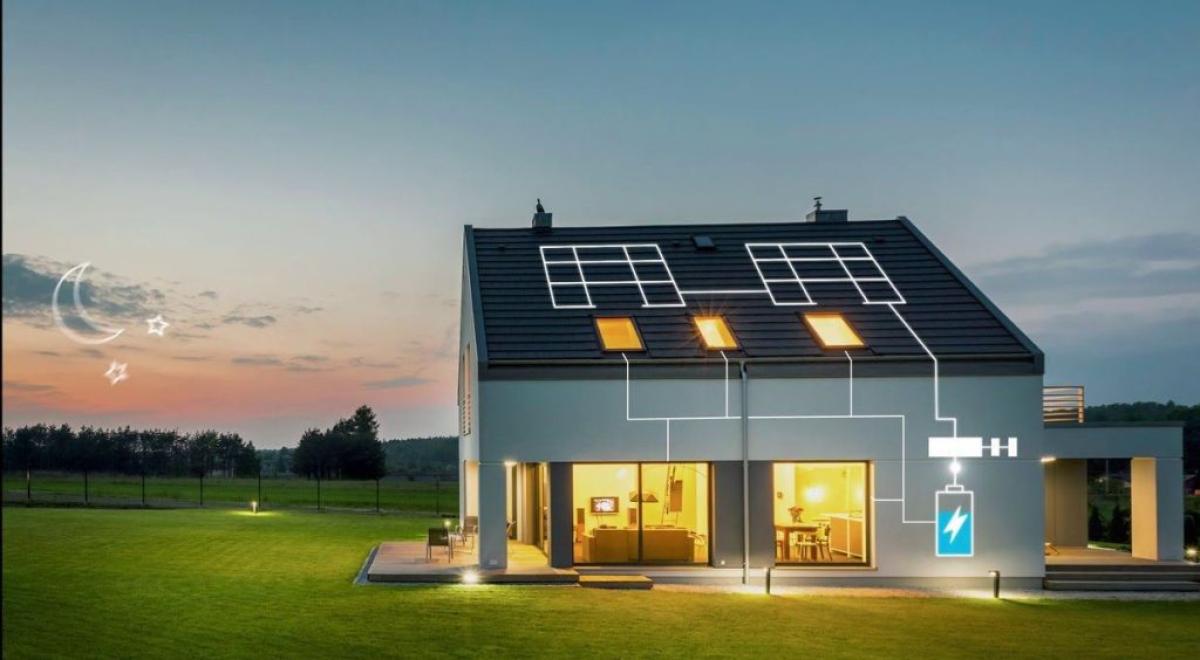
Solar panels and batteries have moved from being a niche technology for remote cabins into a mainstream energy solution for homes, businesses, farms, schools, and even entire communities. This shift is happening because the world is changing fast: electricity prices rise and fall unpredictably, power grids face increasing strain, and people want more control over how they generate and use energy. Solar power alone is powerful, but when paired with batteries, it becomes a complete energy system that can provide reliability, flexibility, and independence.
A solar-and-battery setup is not just about saving money. It is about building resilience, ensuring comfort during outages, reducing dependence on fossil fuels, and creating a smarter way to manage electricity. Whether your goal is lower bills, backup power, full off-grid living, or simply reducing your environmental impact, understanding how solar panels and batteries work together will help you make better decisions, avoid expensive mistakes, and design a system that performs well for many years.
Understanding Solar Energy: Why Sunlight Can Power Modern Life
Solar energy works because sunlight carries energy in the form of photons. When photons hit a solar cell, they knock electrons loose inside a semiconductor material, creating an electric current. That current is direct current electricity, known as DC. Since most homes and businesses use alternating current electricity, known as AC, a solar system typically needs an inverter to convert DC into usable AC power.
The beauty of solar is that it is predictable. The sun rises and sets, seasons change gradually, and weather patterns can be estimated. Solar energy does not require fuel deliveries, does not pv panels create noise, and does not emit pollution during operation. Once installed, solar panels quietly produce electricity for decades.
But solar alone has a limitation: it produces the most energy during the day, while many people use the most electricity in the evening. This mismatch is where batteries become essential.
The Role of Batteries: Turning Solar Into a 24-Hour Power Source
Batteries solve the timing problem of solar energy. Instead of sending all solar electricity directly into your home or exporting it to the grid, a battery allows you to store extra solar power during the day and use it later. That stored energy can run lights, fans, refrigerators, routers, televisions, and even high-demand appliances depending on the battery and inverter size.
A solar battery system can also provide backup power during grid failures. In many areas, outages happen more often than people expect. Storms, heatwaves, overloaded transformers, and maintenance issues can interrupt electricity without warning. Batteries allow your home to keep running even when the grid is down.
Beyond backup and savings, batteries also enable smarter energy use. You can store cheap electricity during off-peak hours and use it during expensive peak hours. You can reduce reliance on generators. You can stabilize voltage in sensitive electronics. You can run critical loads smoothly.
How Solar Panels and Batteries Work Together in a Real System
A solar-and-battery system is a combination of several components that must work in harmony. The solar panels produce electricity. The inverter converts it and manages power flow. The battery stores and releases energy. The charge controller, if used separately, protects the battery and ensures proper charging. The electrical panel distributes electricity to your appliances. Monitoring software tracks production, consumption, and battery status.
During the day, solar power typically flows first to your home loads. If your home is using less than the solar panels are producing, the extra energy charges the battery. If the battery is full, excess energy may be exported to the grid, depending on your system and local rules.
At night, when solar production stops, your home loads can be powered by the battery. If the battery becomes low, the system may draw from the grid automatically, or in off-grid systems, it may switch to a generator if available.
In a grid-tied system with batteries, the switching happens automatically and quickly. In modern hybrid systems, this transition can be nearly seamless, keeping devices like routers and computers running without interruption.
Solar Panel Technologies: What You’re Really Buying
Solar panels may look similar, but their internal structure and performance can vary significantly. Understanding panel types helps you choose the best option for your climate, roof space, and budget.
Monocrystalline panels are widely considered the premium option. They typically have higher efficiency and perform well in limited space. They often last longer and have better heat tolerance compared to older technologies.
Polycrystalline panels were once common as a lower-cost alternative, but they have become less popular because monocrystalline prices dropped. They can still be effective, but they generally have slightly lower efficiency.
Thin-film panels are lightweight and flexible in some cases. They are useful for certain commercial and specialty applications but usually require more space for the same power output.
For most modern residential and small commercial installations, monocrystalline panels dominate because they provide a strong balance of efficiency, longevity, and value.
Battery Technologies: The Differences That Matter Most
Solar batteries come in different chemistries, and the chemistry determines performance, safety, lifespan, and cost.
Lithium-ion batteries are the most common in modern solar systems. They offer high energy density, strong efficiency, and long cycle life. They charge quickly, discharge efficiently, and require minimal maintenance.
Lithium iron phosphate batteries are a type of lithium battery known for excellent safety and long lifespan. They tend to have slightly lower energy density than some lithium-ion variants but are often preferred for solar storage because they tolerate deep discharge well and can last many years with stable performance.
Lead-acid batteries were the standard for decades and are still used in some off-grid setups. They are cheaper upfront but heavier, less efficient, and have shorter lifespan. They also require careful maintenance and ventilation, especially flooded lead-acid types.
Saltwater and other alternative batteries exist, but they are less common and often not as widely supported.
For most people building a serious solar-and-battery system today, lithium-based batteries are usually the best long-term choice because they provide more usable energy, better performance, and fewer replacements.
Key Battery Specifications Explained in Plain English
When people shop for batteries, they often focus only on the total capacity. But capacity is only one piece of the story. The most important specifications include usable capacity, depth of discharge, power rating, efficiency, and cycle life.
Total capacity is the full amount of energy stored in the battery. Usable capacity is how much you can actually use without damaging the battery. Many modern lithium batteries allow a high percentage of usable capacity.
Depth of discharge refers to how much of the battery’s energy can be used regularly. A battery that allows deeper discharge gives you more usable energy per day.
Power rating refers to how much electricity the battery can deliver at once. Some batteries have large capacity but limited power output. This matters when running air conditioners, pumps, ovens, and other high-demand devices.
Round-trip efficiency refers to how much energy you get back compared to what you put in. Higher efficiency means less wasted energy.
Cycle life refers to how many charge-and-discharge cycles the battery can handle before it significantly degrades. A battery with a high cycle life can last longer even if used daily.
The Real Meaning of Battery Backup: What Can You Actually Run?
One of the biggest misunderstandings is assuming a battery can power an entire home like the grid does. In reality, backup power depends on your battery size, inverter rating, and the loads you choose to run.
A typical home may use lighting, fans, refrigerator, TV, Wi-Fi router, phone chargers, and small appliances. These are manageable loads for many battery systems. But running large electric heaters, multiple air conditioners, electric ovens, water heaters, and heavy machinery requires a much larger and more expensive battery bank.
A smart solar battery setup often focuses on essential loads. This includes refrigeration, lighting, communication devices, fans, and security systems. Many people also include one air conditioner or a water pump depending on the region.
A properly designed system should be based on real consumption data, not guesswork. Even a strong battery can drain quickly if high-demand appliances run continuously.
Inverters and Hybrid Systems: The Brain of the Setup
The inverter is one of the most important parts of any solar-and-battery system. It is not just a converter. In modern systems, it is a power management computer that decides where electricity should go.
String inverters are common in grid-tied systems. They are efficient and cost-effective but may be affected by shading on part of the array.
Microinverters are installed on each panel. They can improve performance when shading is an issue and provide detailed monitoring, but they often cost more.
Hybrid inverters combine solar and battery management in one device. They simplify installation and make it easier to integrate batteries. Hybrid systems are extremely popular because they allow solar production, battery charging, backup operation, and grid interaction in one intelligent package.
The inverter’s capacity determines how much power your system can deliver at one time. Even if you have a large battery, a small inverter can limit what appliances you can run.
System Design Basics: Matching Panels, Batteries, and Loads
Designing a solar-and-battery system is about balance. If you install too many panels but a small battery, you may waste energy during the day. If you install a large battery but not enough panels, the battery may not fully charge. If your inverter is too small, your system may struggle during peak use.
A well-designed system starts with energy usage. How much electricity do you use daily? When do you use it? Which loads are essential? Do you want backup for short outages or long outages? Do you want to reduce your bill or become energy independent?
The next step is evaluating solar potential. How much sunlight does your location receive? How much roof space do you have? Is there shading? What direction does your roof face? How hot does it get?
Once you understand usage and solar potential, you can size the system intelligently. Panels provide energy production. Batteries provide time shifting and backup. The inverter provides usable power and control.
Grid-Tied Solar With Batteries: The Most Popular Modern Choice
Most homeowners choose a grid-tied system with battery storage because it combines the best of both worlds. You still have access to the grid when needed, but you can reduce bills, store solar energy, and keep power during outages.
In this setup, the grid becomes a safety net. On cloudy days, you can still use electricity normally. If your battery is low at night, the grid fills the gap. If you produce extra solar power, you may export it depending on your local policies.
This type of system is especially useful in regions with unstable electricity, high rates, or frequent load shedding.
Off-Grid Solar With Batteries: Full Independence and Full Responsibility
Off-grid systems are designed to run without any grid connection. They rely entirely on solar panels, batteries, and often a backup generator.
Off-grid living offers independence and can be life-changing in remote areas. But it requires careful planning. You must design for worst-case scenarios, such as long cloudy periods, winter sunlight reduction, and high seasonal energy use.
Off-grid systems often require larger battery banks, larger solar arrays, and sometimes generator support. The key to off-grid success is energy discipline and realistic expectations.
Off-grid is not automatically cheaper than grid-tied. In many cases, it costs more upfront because you need enough storage to handle extended low-sun periods.
Hybrid Solar Systems: The Flexible Middle Ground
Hybrid systems combine grid connection with strong battery backup and advanced power management. These systems can be programmed to prioritize solar use, battery charging, grid export, or backup readiness.
A hybrid system can also be optimized for time-of-use electricity pricing. If electricity is expensive during evening peak hours, you can use battery power instead. If electricity is cheap at night, you can charge the battery from the grid and save solar power for daytime loads.
Hybrid systems are popular for homes, small businesses, clinics, and locations where reliability matters.
Net Metering and Solar Export: How the Economics Can Change
In some regions, net metering allows solar owners to send excess energy to the grid and receive credits. This can dramatically improve the financial return of solar panels.
However, net metering rules vary widely. Some places offer full credit, while others offer reduced credit or limit export. Some utilities charge extra fees. Some restrict system size.
Batteries become even more valuable when export is less rewarding. Instead of sending cheap electricity to the grid, you can store it and use it later when you need it most.
Battery Degradation: What Happens Over Time and Why It Matters
All batteries degrade. This is not a flaw; it is a fundamental chemical reality. Over time, batteries lose capacity, meaning they store less energy than they did when new.
Degradation depends on temperature, charge rate, discharge depth, and cycle frequency. Heat is one of the biggest enemies of battery life. A battery stored in a hot environment may degrade faster.
Most modern lithium batteries are designed to last many years. Many come with warranties that guarantee a certain capacity after a set number of years or cycles.
The key to long battery life is proper system design, correct installation, good ventilation, and smart usage patterns.
Temperature, Climate, and Real-World Performance
Solar panels and batteries behave differently depending on climate. Solar panels often produce less power when they get very hot, even though sunlight is strong. In cooler weather, panels can be more efficient.
Batteries also have temperature preferences. Extremely cold temperatures can reduce performance. Extremely hot temperatures can reduce lifespan.
If you live in a hot climate, good airflow and shade for batteries can help. If you live in a cold climate, battery enclosures and temperature management may be needed.
Real-world performance is not only about technology but also about environment.
Safety Considerations: Getting Solar and Batteries Installed the Right Way
A solar-and-battery system is a serious electrical installation. It must be installed correctly to prevent hazards such as fire, electric shock, and equipment damage.
Proper wiring, correct fusing, safe grounding, and high-quality components matter. Batteries should be installed in suitable locations with proper ventilation and protection.
Lithium batteries are generally safe when designed and installed correctly, but poor-quality products, incorrect wiring, and improper charging can create risks.
Professional installation is strongly recommended for most systems. Even for DIY installations, a qualified electrician should review the final setup.
Maintenance: What You Actually Need to Do Over the Years
One of the biggest advantages of solar is low maintenance. Solar panels have no moving parts. They typically require only occasional cleaning if dust, pollen, or bird droppings reduce output.
Batteries require more attention, but modern lithium batteries are mostly maintenance-free. The main maintenance is monitoring performance and ensuring the system remains in a healthy temperature range.
Inverters and monitoring systems may need firmware updates. Electrical connections should be inspected periodically. Surge protection should be checked, especially in lightning-prone areas.
A good system can run reliably for years with minimal effort.
The Financial Side: Cost, Savings, and Return on Investment
The cost of solar panels and batteries depends on system size, component quality, installation complexity, and local market conditions. Batteries significantly increase upfront cost, but they also increase value through backup power and better energy usage.
Solar panels alone often provide a faster payback because they directly reduce grid electricity consumption. Batteries improve self-consumption and provide resilience, but the payback period may be longer.
However, payback is not the only metric. Many people value comfort during outages, protection against future price increases, and energy independence.
A realistic financial evaluation should consider electricity rates, net metering rules, outage frequency, and future energy needs.
Common Mistakes People Make When Buying Solar and Batteries
Many people overspend by buying oversized batteries without enough solar panels to charge them properly. Others buy too many panels but no battery, then find they still rely heavily on the grid at night.
Some people choose cheap components that fail early, turning a long-term investment into a constant repair project. Others ignore inverter limitations and discover they cannot run key appliances during outages.
Another common mistake is failing to account for future energy needs. If you plan to buy an electric vehicle, add air conditioning, or expand your home, your system should be designed with growth in mind.
The best systems are built for real life, not ideal conditions.
Solar Batteries for Load Shedding and Unstable Grids
In many regions, load shedding and voltage fluctuations are part of daily life. A solar-and-battery system can dramatically improve quality of life by keeping essential power available.
Unlike traditional UPS systems, solar batteries can recharge daily using sunlight, making them more sustainable and cost-effective over time. They can also run longer during outages if sized correctly.
For areas with frequent load shedding, the best strategy is usually a hybrid system that charges from solar during the day and uses stored energy during outage periods.
Solar and Batteries for Businesses: Beyond Saving Money
Businesses benefit from solar and batteries in several ways. Lower electricity costs improve profit margins. Backup power reduces downtime. Stable electricity protects equipment. Sustainability can improve brand image.
Certain businesses, such as cold storage, medical clinics, data centers, and manufacturing, have strong reasons to invest in battery-backed solar systems.
A properly designed commercial system can also reduce demand charges, which are often a major part of business electricity bills.
Energy Independence: What It Means and What It Doesn’t
Energy independence is often marketed as a complete escape from the grid. In reality, independence is a spectrum.
Some people want partial independence, where they reduce bills and have backup during outages. Others want near-total independence, relying on the grid only occasionally. Some want full off-grid living.
The level of independence depends on budget, space, and lifestyle. Full independence is possible, but it requires larger systems and energy discipline.
A well-designed system can provide the feeling of independence even if it still uses the grid occasionally.
The Future of Solar Panels and Battery Storage
Solar panels continue to improve in efficiency and durability. Battery costs continue to fall, and battery technology continues to advance. Smart energy management is becoming standard, allowing systems to predict usage, optimize charging, and integrate with electric vehicles.
The energy world is shifting from centralized power plants to distributed energy systems. Homes and businesses are becoming small power stations. Batteries are turning solar into reliable power day and night.
In the coming years, solar-and-battery systems will likely become as common as air conditioners and water heaters in many regions.
Choosing the Right Solar and Battery System for Your Needs
The best system is the one designed for your specific goals. If your main goal is saving money, you may prioritize solar panels and moderate storage. If your main goal is backup, you may prioritize battery capacity and a strong inverter. If your goal is off-grid living, you must prioritize reliability and worst-case planning.
A strong approach is to start with essential loads, then expand over time. Many modern systems are modular, allowing you to add more panels or more battery capacity later.
Before purchasing, evaluate your daily energy usage, your roof conditions, your local electricity rules, and your budget. Work with installers who provide clear system design and realistic performance estimates.
A solar-and-battery system is a long-term investment. When done correctly, it can provide decades of clean energy, comfort, and peace of mind.
Final Thoughts: Why Solar Panels and Batteries Are One of the Smartest Energy Upgrades Today
Solar panels and batteries are not just a trend. They represent a shift in how electricity is produced, stored, and consumed. Solar gives you clean energy. Batteries give you control. Together, they create a resilient system that can protect you from outages, reduce your bills, and prepare you for an energy future that is becoming more decentralized and more unpredictable.