Teeth Whitening In Sydney: How To Choose A Safer Option That Fits Your Smile

If your teeth look a bit dull lately, it’s not your imagination — Sydney life is basically a revolving door of coffee, quick lunches, and “I’ll brush properly tonight”.
Whitening can be a great confidence boost, but it works best when you match the method to why your teeth have changed colour and how sensitive you tend to be.
What’s behind the “yellow” look?
Some staining is on the surface (coffee, tea, red wine, smoking/vaping, colourful sauces), and that often improves with a clean plus whitening if you’re a good candidate.
Some discolouration is within the tooth (age-related darkening, old trauma, certain medications), and that can still respond — just usually slower, with more variation from person to person.
And sometimes it’s not really a whitening problem at all.
If the shade looks uneven because of old fillings, crowns, veneers, or worn enamel, whitening may brighten natural teeth but won’t change the colour of existing dental work.
In-chair vs take-home vs off-the-shelf
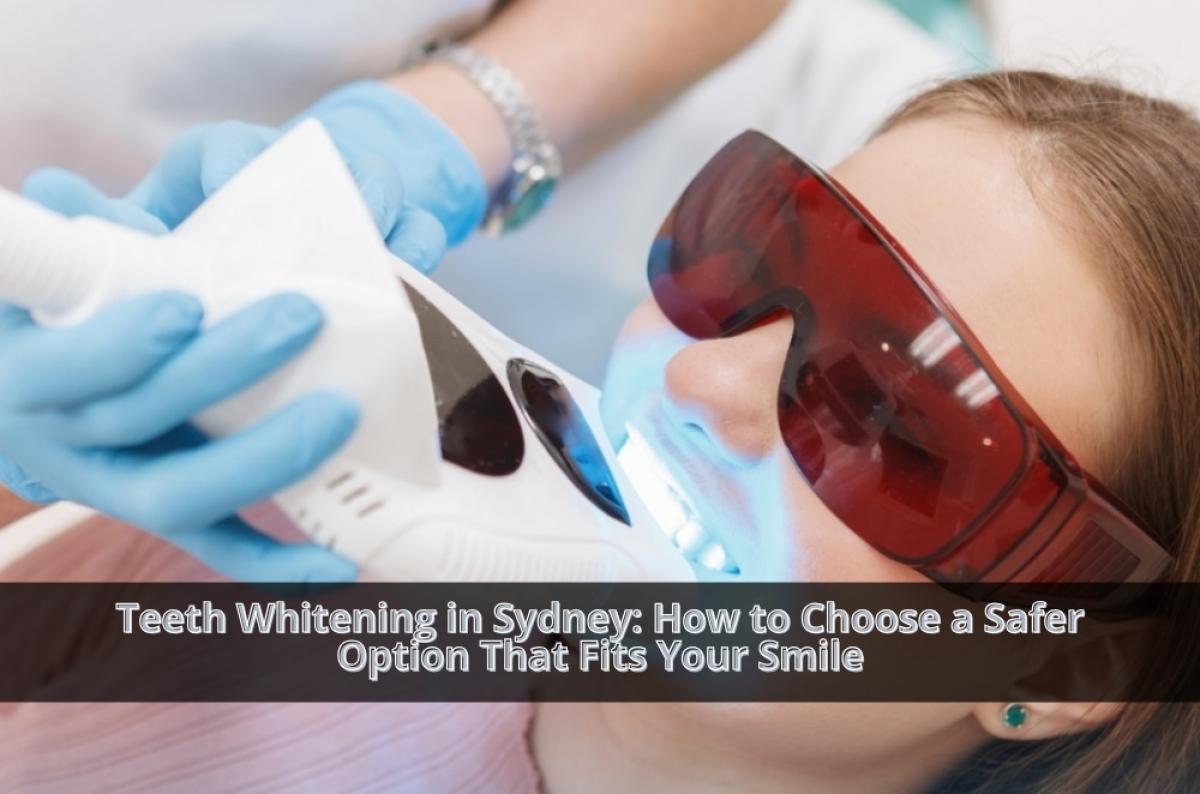
In-chair whitening is about speed and supervision. It can suit a deadline (photos, events), but short-term sensitivity is a common trade-off for some people.
Professional take-home whitening (custom trays) is usually steadier and easier to fine-tune. It often suits people who prefer gradual change or need more control, but it only works if you stick to the routine.
Over-the-counter products can lift mild surface stains for some people, but fit is the catch. Generic trays and strips don’t sit evenly on every tooth shape, which is how you end up with sore gums or patchy results.
Common mistakes that cause the “why did I do that?” outcome
Skipping a proper clean first is the classic one, because build-up blocks gel contact and the colour change can look uneven.
Pushing through sensitivity is another. If it hurts, it’s usually a sign to pause, shorten sessions, or switch to a gentler approach.
People also forget that crowns, veneers, and fillings don’t whiten — so whitening can make dental work stand out more, not less.
Finally, doubling down with repeated treatments to chase an ultra-bright shade can backfire. It can look less natural in daylight and feel uncomfortable, especially if your teeth are already reactive.
Decision factors that matter (and how to choose)
Start with stain type and starting shade, because that sets expectations. Surface stains often respond well; deeper internal darkening can still improve but may not “snap” to a bright shade overnight.
Sensitivity history matters more than most people admit. If cold water already makes you wince, a slower plan is often the smarter plan.
Existing dental work on visible teeth is a big deal. If you’ve got front-tooth restorations, you’ll want to think about how the final shade will match — or whether you’ll need a plan to keep things looking even.
Timeline and maintenance are the final two. If you need a quick change, in-chair can make sense; if you want something you can maintain without drama, a controlled take-home approach can be easier to live with.
If you want a straightforward walkthrough of suitability, options, and what the process involves, the Marsfield Dental Care teeth whitening guide is a helpful starting point.
A simple 7–14 day plan (so you don’t waste money or enamel goodwill)
Days 1–2: Take a clear photo in natural light and note your main stain triggers (coffee count, red wine nights, smoking/vaping, cola, spicy sauces).
Days 3–4: If you have bleeding gums, sharp pain, or lingering sensitivity, get checked before whitening so you’re not whitening on top of a problem.
Days 5–7: Get a proper clean (professional if possible), because whitening tends to look more even when surface build-up is gone.
Days 8–10: Choose your method based on constraints — deadline, sensitivity, and whether you have visible restorations that won’t change colour.
Days 11–14: Set up aftercare before you start (sensitivity-friendly toothpaste, a plan to avoid heavy staining for a few days, and realistic expectations about maintenance).
Operator Experience Moment
People often come in annoyed after trying multiple off-the-shelf products, convinced whitening “doesn’t work”. In practice, it’s usually that the method didn’t match their stain type, or they pushed too hard, got sensitive, and stopped early. When the plan is adjusted — slower, better fit, cleaner starting point — the whole thing tends to feel calmer and more predictable.
Local SMB Mini-Walkthrough (Sydney, NSW)
Morning coffee adds pigment daily, even with good brushing.
Quick CBD lunches often include sauces that stain more than you’d expect.
After-work drinks can undo a week of progress faster than people notice.
Starting whitening in a heavy coffee fortnight can spike sensitivity.
Timing it for a quieter two weeks makes aftercare easier.
Simple habits (rinse after coffee, wait before brushing) help results last.
Practical Opinions
Pick the safest option you can realistically maintain.
If you’re sensitive, slower usually beats stronger.
Comfort matters more than chasing a “filter” shade.
Key Takeaways
- The best whitening choice depends on stain type, sensitivity, and visible dental work.
- Clean first, then whiten — it’s a small step that prevents uneven results.
Restorations won’t whiten, so plan for shade matching early. - A simple 7–14 day plan reduces sensitivity surprises and disappointment.
Common questions we get from Aussie business owners
Is whitening safe for everyone?
Usually, many adults can whiten safely, but suitability varies. A practical next step is to screen for sensitivity, gum inflammation, and visible restorations before you start. In Sydney, it’s common to see prior front-tooth dental work, which can affect how uniform the final shade looks.
Can I whiten right before a big event or photoshoot?
It depends on your sensitivity risk and how quickly your teeth respond. A practical next step is to plan whitening at least 1–2 weeks ahead so you can manage any sensitivity and avoid last-minute stress. In most cases, Sydney schedules are tight, so booking early is the real secret.
Will whitening change my fillings, crowns, or veneers?
In most cases, no — those materials won’t lighten like natural teeth. A practical next step is to identify any visible restorations and talk through how to avoid mismatches before treatment. Usually, this is the deciding factor for people who want a uniform look in bright daylight.
How long do results last in real life?
Usually, results last longer when aftercare is realistic and touch-ups aren’t overdone. A practical next step is to cut back on heavy staining for the first few days and choose maintenance you’ll actually stick to. In most cases in Sydney, coffee frequency is the biggest variable, so plan around it rather than pretending it won’t happen.