The Future Of EVs: Key Trends Shaping 2026 And Beyond

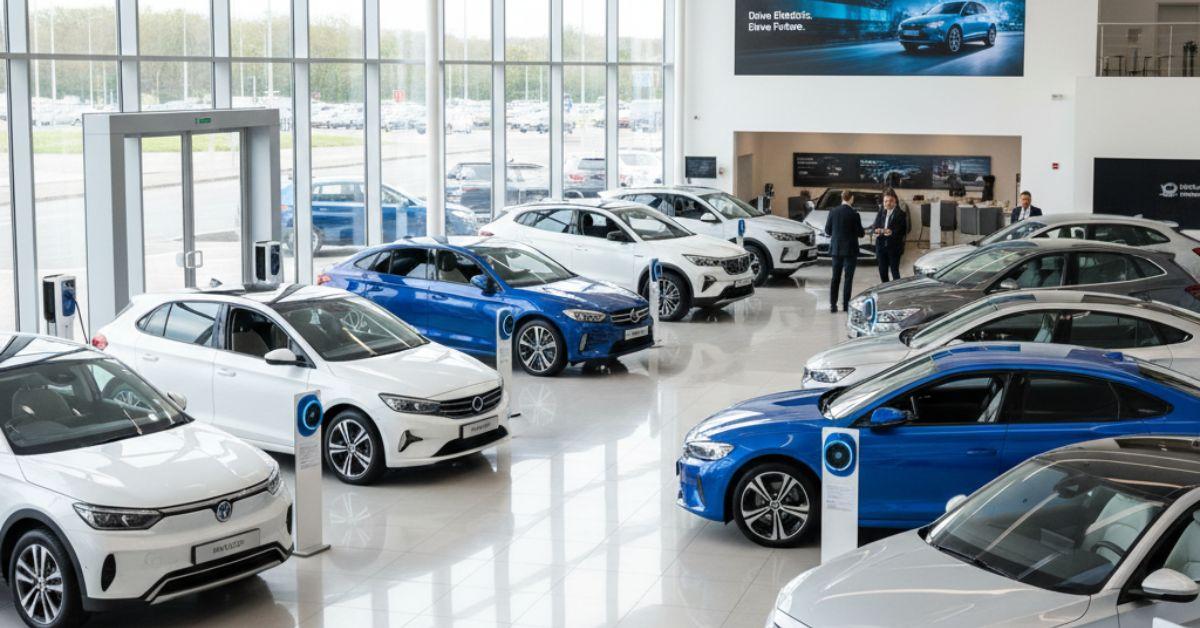
Electric vehicles (EVs) are no longer a niche segment; they are becoming a central part of the global automotive landscape. As 2026 approaches, manufacturers, consumers, and policymakers are closely watching the trends that will shape the future of electric mobility.
From battery technology breakthroughs to smarter charging networks, staying informed is essential for anyone considering an EV.
Whether you are a driver exploring your first electric car or an industry professional, your local auto dealership can be a valuable resource for understanding these developments, comparing models, and planning your transition to electric.
This guide highlights the key trends that will define the EV market in 2026 and beyond, offering practical insights and a realistic outlook.
EV Market Growth: A Rapidly Expanding Sector
The EV market has seen exponential growth over the past decade, and 2026 is expected to continue that trajectory. Analysts predict that electric cars will account for an even larger share of global vehicle sales, driven by stricter emissions regulations, government incentives, and growing consumer demand for sustainable transportation.
In particular, urban markets are embracing EVs at a faster rate. Cities are investing in low-emission zones and offering subsidies for EV purchases, making electric vehicles more accessible to everyday drivers.
Additionally, fleet operators, including ride-hailing and delivery services, are increasingly converting to electric models to reduce operational costs and meet sustainability goals.
Key takeaway: As the EV market expands, new opportunities emerge for manufacturers, charging infrastructure providers, and aftermarket service specialists.
Battery Technology Advancements
One of the most critical factors shaping the future of EVs is battery technology. In 2026, expect significant progress in energy density, charging speed, and longevity.
Solid-state batteries are becoming more commercially viable. These batteries promise higher energy capacity, improved safety, and longer lifespans compared to traditional lithium-ion cells.
Faster charging solutions will reduce downtime for drivers. Some manufacturers are testing ultra-fast charging stations capable of replenishing 80% of a battery in under 15 minutes.
Battery recycling and second-life applications will become standard. Used EV batteries can be repurposed for home energy storage, reducing waste and lowering environmental impact.
Battery improvements not only enhance the driving experience but also address consumer concerns about range and convenience, accelerating EV adoption.
Expansion of Charging Infrastructure
A robust EV charging network is essential to support market growth. In 2026, charging infrastructure will continue to expand both in urban centers and along highways:
Public fast chargers will become more widespread, minimizing range anxiety for long-distance drivers.
Smart charging solutions will allow drivers to schedule charging during off-peak hours, lowering electricity costs and reducing grid strain.
Home and workplace charging will see adoption through government incentives and private sector initiatives, making daily EV use more practical.
As charging becomes more convenient and accessible, consumer confidence in EV ownership will grow, fueling further adoption.
Vehicle Affordability and Diverse Models
Historically, EVs were often perceived as premium products due to higher upfront costs. In 2026, expect greater affordability and a wider range of models to meet diverse consumer needs:
Entry-level EVs will target price-sensitive buyers, particularly in emerging markets.
Luxury EVs will continue to innovate with features like autonomous driving assistance, premium interiors, and cutting-edge connectivity.
Electric SUVs, trucks, and crossovers will become more common, reflecting shifting consumer preferences toward versatile vehicles.
With more options and competitive pricing, EVs will appeal to a broader audience, including those who previously considered them out of reach.
Sustainability and Green Energy Integration
Sustainability remains a driving force behind EV adoption. By 2026, EV manufacturers will increasingly integrate green energy solutions into production and vehicle operation:
Manufacturing plants are transitioning to renewable energy sources to reduce carbon footprints.
EV owners may have the option to pair vehicles with solar panels or home energy storage systems for cleaner charging.
Lifecycle emissions of EVs will continue to decrease through improved recycling, battery reuse, and sustainable materials.
This alignment with environmental goals not only benefits the planet but also resonates with consumers who prioritize eco-conscious choices.
Software, Connectivity, and Autonomous Features
The future of EVs is not just about hardware. In 2026, software-driven innovation will play a major role in shaping the driving experience:
Vehicles will increasingly feature over-the-air (OTA) updates, allowing manufacturers to improve performance and fix issues remotely.
Connected car technologies will enhance safety, navigation, and energy management, integrating vehicles seamlessly with smart city infrastructure.
Autonomous and semi-autonomous capabilities will continue to expand, making EVs more appealing to tech-savvy buyers.
These software advancements provide tangible benefits for drivers while opening new opportunities for aftermarket services, mobility-as-a-service platforms, and smart city applications.
Policy and Incentives Shaping EV Adoption
Government policies remain a major influence on EV growth. By 2026:
Many countries will continue to offer purchase incentives, tax breaks, and rebates to encourage EV adoption.
Cities and regions may implement stricter emissions standards or low-emission zones, pushing drivers toward electric models.
Investment in public charging networks will accelerate, particularly in areas with historically low EV penetration.
Consumers and businesses who stay informed about incentives can take advantage of cost-saving opportunities, making EV ownership more attractive and financially viable.
Final Thoughts
The future of EVs in 2026 is bright, driven by advances in battery technology, expanding charging infrastructure, and supportive policies.
Vehicles are becoming more affordable, diverse, and sustainable, while software and connectivity enhancements make driving smarter and safer.
For consumers, staying informed about EV trends allows smarter purchasing decisions and better planning for long-term vehicle ownership.
For industry stakeholders, understanding these developments is crucial to remain competitive in a rapidly evolving market.
Whether you are considering your first electric vehicle or exploring opportunities in the EV sector, 2026 promises a landscape rich with innovation, convenience, and sustainability.
By embracing these trends, drivers and businesses alike can enjoy the full benefits of the electric revolution.