The Importance Of Catching Roof Leaks Before They Become Major Problems

A roof is one of the most critical components of any building, yet it’s often out of sight and out of mind until something goes wrong. One of the most common issues property owners face is roof leakage. While a small drip may seem harmless at first, untreated leaks can quickly escalate into costly structural problems.
Understanding how roof leaks form, how they’re identified, and why prompt repair matters can help homeowners and property managers protect their investment. Early detection and targeted solutions often mean the difference between a simple repair and a full roof replacement.
Why Roof Leaks Are More Common Than Many People Think
Roof systems are constantly exposed to environmental stress. Rain, wind, UV rays, temperature changes, and debris all take a toll over time. Even a well-installed roof can eventually develop vulnerabilities.
Several factors commonly lead to roof leaks:
Aging materials that become brittle or worn
Storm damage from wind-driven rain or falling debris
Loose or damaged flashing around vents, skylights, and chimneys
Clogged gutters or drainage systems that cause water buildup
Improper installation or past repairs
Often, the leak itself is not immediately visible. Water can travel along structural components before appearing inside the home, making the true source difficult to identify without proper inspection.
The Hidden Consequences of Ignoring a Roof Leak
Many property owners delay addressing roof leaks because the damage initially appears minor. However, water intrusion can silently affect multiple parts of a building.
Some of the most common consequences include:
Structural Damage
When water seeps beneath roofing materials, it can weaken wooden decking, rafters, and support structures. Over time, this may compromise the structural integrity of the roof.
Mold and Mildew Growth
Moisture trapped within insulation or drywall can create the ideal environment for mold. This can lead to unpleasant odors and potential indoor air quality issues.
Damaged Insulation
Wet insulation loses its effectiveness, which can lead to increased heating and cooling costs.
Interior Property Damage
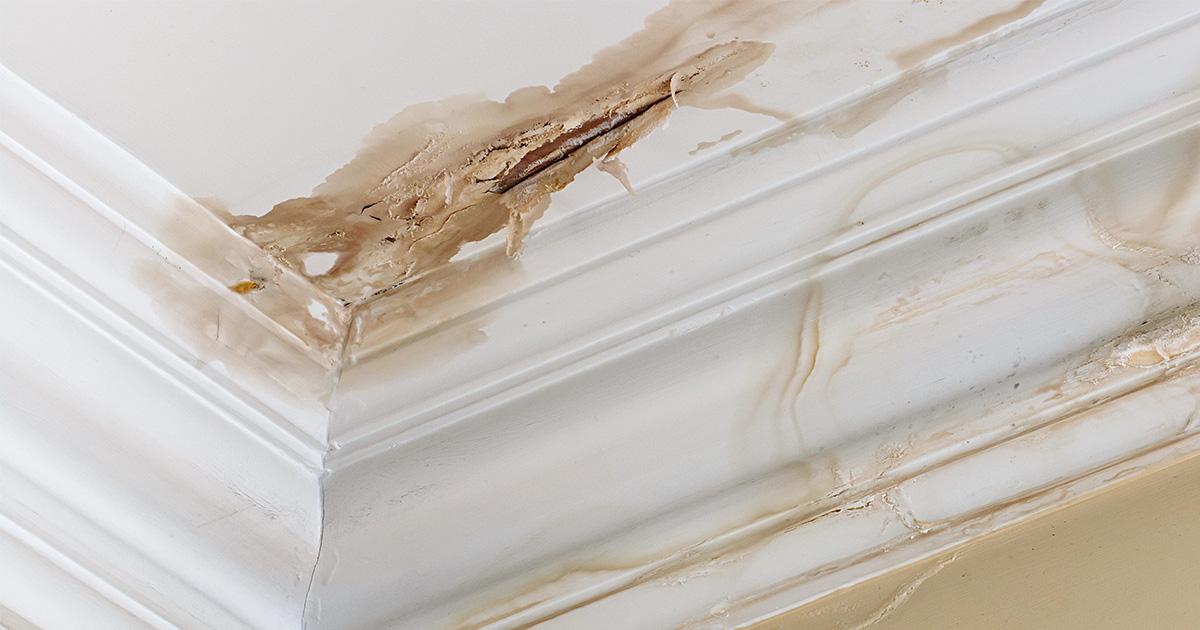
Water stains, peeling paint, warped drywall, and damaged ceilings are often visible signs that a roof leak has been present for some time.
Addressing leaks early helps prevent these secondary issues from developing.
Why Proper Diagnosis Is Essential
One of the biggest challenges with roof leaks is locating the exact source. Water often travels from its entry point before becoming visible inside the structure. This means the spot where you see water may not be where the leak actually originates.
A proper inspection typically involves examining multiple roofing components, including:
Roofing material condition (shingles, tiles, or membrane)
Flashing around roof penetrations
Ventilation openings
Seams or joints in roofing systems
Gutters and drainage systems
Because of this complexity, an accurate roof leak diagnosis and targeted repair approach is critical. Identifying the precise source allows professionals to fix the root cause rather than simply patching visible symptoms.
Warning Signs Your Roof May Have a Leak
Some roof leaks are obvious during heavy rain, but others develop slowly. Being aware of early warning signs can help you take action before significant damage occurs.
Interior Signs
Water stains on ceilings or walls
Bubbling or peeling paint
Damp or musty smells in upper floors or attic spaces
Mold growth near ceiling corners or vents
Exterior Signs
Missing or damaged shingles
Rusted or loose flashing
Debris accumulation in valleys or gutters
Standing water on flat roofing surfaces
If any of these indicators appear, it’s wise to have the roof inspected as soon as possible.
The Advantages of Targeted Roof Repairs
Once the source of a leak has been identified, targeted repairs can often resolve the issue without replacing large sections of the roof.
Targeted repairs may involve:
Replacing damaged shingles or tiles
Resealing flashing around penetrations
Repairing small sections of roofing membrane
Reinforcing vulnerable seams or joints
These focused solutions help restore the roof’s protective barrier while minimizing disruption and cost. When done correctly, targeted repairs can extend the overall lifespan of the roofing system.
Preventative Maintenance Makes a Big Difference
While repairs solve existing problems, preventative maintenance plays an essential role in avoiding leaks altogether.
Routine maintenance helps roofing professionals identify small issues before they grow into larger ones.
Key maintenance practices include:
Annual roof inspections to identify wear and tear
Clearing gutters and downspouts to maintain proper drainage
Removing debris such as leaves and branches
Checking flashing and seals after major storms
Addressing minor damage quickly
Regular inspections and maintenance not only reduce the risk of leaks but can also extend the overall lifespan of the roof.
Protecting Your Home Starts at the Top
Your roof serves as the first line of defense against the elements. Even a small leak can compromise that protection if left unresolved. By understanding the warning signs and prioritizing early detection, homeowners can avoid expensive structural damage and interior repairs.
Taking proactive steps—such as regular inspections, timely maintenance, and professional diagnosis—helps ensure that minor issues stay minor. When leaks are addressed quickly and accurately, the roof continues to do what it was designed to do: protect everything underneath it.