The Rise Of AI Animated Storytelling In 2026: Faster, Smarter, More Accessible
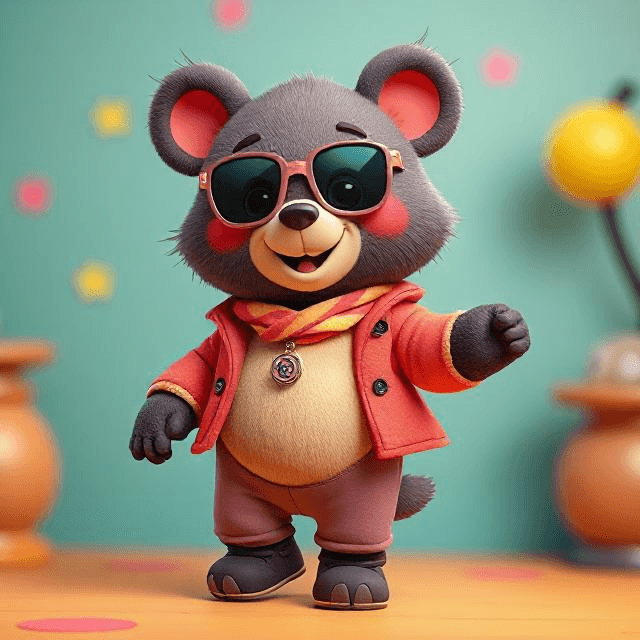
In 2026, the world of digital media is experiencing a creative renaissance powered by AI animated storytelling, creative production, 2026. What once required large studios, expensive software, and months of labor-intensive effort can now be achieved by small teams—or even solo creators—using intelligent automation tools. Artificial intelligence is no longer just an experimental addition to animation workflows; it has become a central pillar of how stories are imagined, designed, and brought to life. From storyboard generation to fully rendered animated videos, AI-driven systems are reshaping the creative pipeline in profound and practical ways.
Traditional animation has always been a meticulous and resource-heavy process. Studios such as Pixar Animation Studios and Walt Disney Animation Studios built their reputations on teams of artists, animators, editors, and technical directors working together over extended production cycles. A single feature film could take years to complete, involving hand-drawn sequences or detailed 3D modeling, rigging, rendering, and post-production refinement. While this approach produces high-quality results, it demands significant financial investment and access to specialized expertise, often limiting participation to well-funded organizations.
In contrast, the rise of AI animated storytelling, creative production, 2026 introduces a more agile and inclusive model. AI-powered platforms can now analyze scripts and automatically generate storyboards, scene compositions, character animations, and even voiceovers. These systems use advanced generative models to understand narrative structure, emotional tone, and pacing, helping creators move from concept to production in a fraction of the time. Instead of spending weeks drafting visual outlines, creators can upload a script and receive a dynamic storyboard within minutes, ready for refinement and customization.
One of the most significant advantages of AI-driven creative production is speed. What previously required multiple departments can now be executed through integrated AI systems that handle pre-production, animation, and editing within a unified environment. Automated rendering engines optimize lighting and motion, while AI-assisted character rigs adjust movements realistically without manual frame-by-frame correction. This acceleration dramatically reduces turnaround times for marketing videos, educational content, and short-form storytelling across digital platforms.
Cost reduction is another transformative benefit. Traditional animation budgets often include salaries for large creative teams, licensing fees for specialized software, and infrastructure costs for rendering farms. In 2026, AI tools streamline these expenses by consolidating many tasks into automated workflows. Cloud-based platforms eliminate the need for expensive hardware, making professional-grade animation accessible to startups, independent filmmakers, educators, and social media creators. As a result, storytelling is no longer restricted by budget barriers; innovation can thrive in smaller creative ecosystems.
Accessibility has also improved dramatically. With intuitive interfaces and guided AI prompts, users without technical animation backgrounds can produce compelling visual narratives. A teacher can create animated lessons, a nonprofit can design awareness campaigns, and a small business can develop branded storytelling without hiring a full production crew. This democratization reflects the broader evolution of digital creativity, where technical skill is complemented—and often enhanced—by intelligent automation.
However, the shift toward AI-powered storytelling is not without challenges. Industry professionals continue to debate issues surrounding originality, copyright, and the ethical use of generative content. There is also concern about job displacement as certain repetitive tasks become automated. Yet, many experts argue that AI is augmenting rather than replacing human creativity. Skilled animators now focus more on high-level artistic direction, narrative refinement, and emotional depth while AI handles time-consuming technical processes. This collaboration between human insight and machine efficiency defines the core strength of AI animated storytelling, creative production, 2026.
Tools such as AnimateAI.Pro exemplify this transformation. Platforms like these automate storyboard creation, generate character movements from text descriptions, and convert scripts into polished animated videos ready for distribution. By integrating text-to-video capabilities with smart editing features, they allow creators worldwide to scale their output without sacrificing narrative quality. The ability to iterate quickly also encourages experimentation; creators can test multiple visual styles or pacing variations before finalizing a project.
Comparing traditional animation workflows to AI-enhanced production reveals a clear shift in priorities. In the past, technical execution often dominated timelines and budgets. Today, conceptual development and storytelling strategy take center stage because AI reduces the technical burden. Creators can dedicate more time to refining characters, strengthening dialogue, and crafting emotional arcs rather than troubleshooting rendering issues or manually adjusting frames.
Looking ahead, the momentum behind AI animated storytelling, creative production, 2026 suggests even deeper integration of machine learning into creative ecosystems. Real-time audience feedback analytics, adaptive story branching, and hyper-personalized animated experiences are becoming feasible as AI systems learn from viewer engagement data. The boundary between creator and audience is beginning to blur, opening opportunities for interactive storytelling formats that evolve dynamically.
Ultimately, 2026 marks a pivotal moment in animation history. Artificial intelligence has moved from experimental novelty to foundational infrastructure within creative production. By accelerating workflows, lowering costs, and broadening access, AI-driven animation empowers a new generation of storytellers across the globe. Rather than replacing human imagination, it amplifies it—transforming ideas into vivid, animated realities faster and more efficiently than ever before.