The Role Of Fall Protection Inspection In Preventing Workplace Accidents
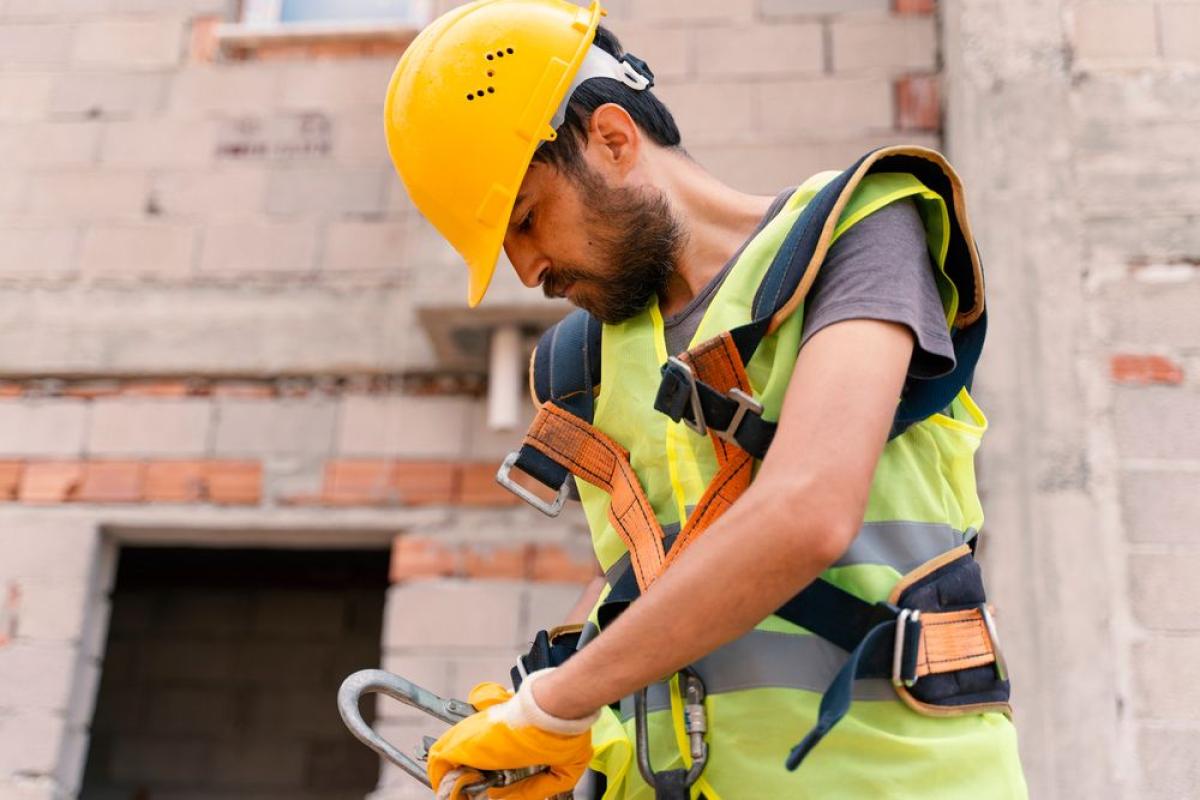
Workplace safety isn’t just about rules written in a manual or posters on the wall. It’s about real people going to work every day and expecting to return home safely. For jobs that involve working at heights, that expectation depends heavily on how seriously safety systems are maintained. One simple but powerful step that often gets overlooked is Fall Protection Inspection, and yet it plays a major role in preventing avoidable accidents.
Most workers don’t take risks on purpose. Accidents usually happen when something fails unexpectedly. A harness that looks fine but has hidden wear, an anchor point that loosened over time, or a guardrail that was never checked properly can all lead to serious consequences. Regular inspections help catch these issues early, before they turn into life-changing events.
Small Issues Can Lead to Big Consequences
On a busy worksite, it’s easy to assume that equipment is safe just because it was fine yesterday. But safety gear goes through a lot. Sun, rain, dust, heavy use, and time all take their toll. Straps stretch, metal weakens, and connections loosen. These changes don’t always stand out right away. A proper Fall Protection Inspection focuses on the small details that are easy to miss but critical for safety.
Fixing a small issue today is far easier and far safer than dealing with an accident tomorrow. Inspections give teams the chance to act early instead of reacting under pressure.
How Inspections Build Confidence on the Job
When workers know that safety equipment is checked regularly, it changes how they feel at work. They feel valued, respected, and protected. That sense of trust matters. Confident workers are more likely to follow procedures, use equipment correctly, and speak up when something doesn’t look right.
In fast-moving work environments, especially in some industry sectors where conditions change daily, trust helps workers stay focused instead of distracted by safety concerns. Knowing someone is looking out for their well-being makes a real difference.
Shifting from “After the Accident” to “Before It Happens”
Many workplaces used to treat safety as something to review only after an incident occurred. Thankfully, that mindset is changing. Today, prevention is the goal. Inspections are a big part of that shift. When safety systems are checked before work starts, problems are solved calmly, without delays or emergency responses.
Making Fall Protection Inspection part of regular planning turns safety into a routine, not a reaction. Over time, it becomes second nature for both workers and supervisors.
How Technology Is Helping, Not Replacing People
Modern tools have made inspections easier to manage. Digital checklists, photo records, and maintenance reminders help teams stay organized and consistent. These tools don’t replace experience they support it. They make sure important details aren’t forgotten, especially on large or busy job sites.
When technology is used alongside hands-on knowledge, inspections become faster, clearer, and more reliable.
Training Keeps Safety a Shared Responsibility
Inspections work best when everyone understands why they matter. Training helps workers recognize risks and respect inspection findings. When employees understand why equipment is repaired or removed from use, they’re less likely to cut corners.
This shared understanding strengthens teamwork and ensures inspections lead to real safety improvements, not just completed forms.
Why Businesses Benefit Too
Preventing falls protects workers, but it also protects the business. Fewer accidents mean fewer delays, lower costs, and less stress for everyone involved. Companies that invest in safety inspections often see better morale, stronger loyalty, and smoother operations.
Over time, a consistent Fall Protection Inspection process becomes part of a company’s reputation showing clients, partners, and employees that safety truly comes first.
A Simple Step Toward a Safer Workplace
Creating a safer workplace doesn’t require complicated systems or expensive changes. It requires attention, consistency, and care. Regular inspections help uncover hidden risks and ensure safety systems are ready when they’re needed most.
many organizations commit to this practice, they send a clear message: people matter. And that message leads to fewer accidents, stronger teams, and a workplace where everyone can do their job with confidence and peace of mind.