The Science Of Skin Hydration At Dermatech Polyclinic

Healthy skin is not defined by glow alone—it is defined by balance. At the center of that balance lies hydration. Skin hydration is not simply about drinking more water or applying moisturizer; it is a complex biological process involving the skin barrier, cellular turnover, lipid composition, and environmental interactions.
At Dermatech Polyclinic in dubai, hydration is approached scientifically. Their dermatology team evaluates moisture levels, barrier integrity, inflammation markers, and lifestyle triggers to build customized hydration strategies. Instead of temporary surface-level solutions, the clinic focuses on restoring long-term moisture equilibrium using evidence-based dermatological techniques.
This blog explores the science behind skin hydration and how Dermatech Polyclinic integrates advanced clinical insights into practical, patient-centered care.
Skin Hydration 101: Understanding the Biological Framework
To understand Dermatech Polyclinic’s approach, it’s important to grasp how hydration works at the cellular level. The outermost layer of the skin, known as the stratum corneum, functions as a protective shield. It retains water while blocking harmful environmental elements.
Three essential components maintain hydration:
• Natural moisturizing factors (NMFs)
• Lipids (ceramides, cholesterol, fatty acids)
• Hyaluronic acid
When these components are balanced, the skin remains supple, elastic, and resilient. When disrupted, it leads to dryness, flakiness, sensitivity, premature aging, and inflammation.
Dermatech Polyclinic begins every hydration plan by assessing whether dehydration stems from water loss, barrier damage, inflammation, or environmental stressors.
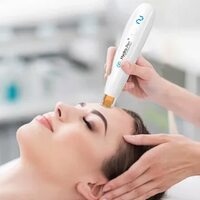
The Hydration Spectrum: Dehydrated vs. Dry Skin:
A common misconception is that dry and dehydrated skin are the same. Dermatech Polyclinic differentiates between the two during clinical evaluation.
Dry skin lacks oil (lipids).
Dehydrated skin lacks water.
A patient with oily skin can still experience dehydration. That’s why personalized assessment is essential before recommending treatment. By identifying the root cause, dermatologists ensure the right combination of humectants, emollients, and occlusives is prescribed.
Phase 1: Clinical Skin Analysis and Moisture Mapping
Dermatech Polyclinic employs a structured evaluation process that may include:
• Visual examination
• Barrier function assessment
• Sensitivity analysis
• Lifestyle and environmental review
This comprehensive approach helps determine whether hydration issues are linked to over-exfoliation, sun exposure, pollution, stress, hormonal changes, or underlying dermatological conditions such as eczema or rosacea.
Understanding triggers allows for targeted intervention rather than generalized product recommendations.
Phase 2: Barrier Restoration as the Foundation
The clinic prioritizes skin barrier repair before introducing intensive hydration therapies. Without a healthy barrier, moisture escapes quickly—a process known as transepidermal water loss (TEWL).
Barrier restoration strategies include:
• Ceramide-enriched medical moisturizers
• Lipid-replenishing creams
• Gentle, sulfate-free cleansers
• Anti-inflammatory treatments
By strengthening the barrier, the skin becomes better equipped to retain hydration naturally.
Phase 3: Layered Hydration Therapy
Dermatech Polyclinic uses a layered hydration model inspired by dermatological science. This approach ensures moisture penetrates multiple skin levels rather than remaining superficial.
Step 1: Humectants such as hyaluronic acid attract water molecules into the skin.
Step 2: Emollients smooth and repair micro-cracks in the barrier.
Step 3: Occlusives seal in hydration to prevent water loss.
This scientifically layered method improves elasticity, reduces fine lines, and enhances skin luminosity over time.
Advanced Hydration Treatments at Dermatech Polyclinic:
Beyond topical skincare, the clinic offers professional dermatological treatments designed to deeply rehydrate the skin.
Hydra-based facials deliver controlled exfoliation combined with serum infusion to enhance moisture absorption.
Mesotherapy may be used to deliver hydrating compounds directly into the skin.
Laser-assisted treatments can stimulate collagen while supporting improved hydration retention.
Each treatment is tailored to the patient’s age, skin type, and hydration goals.
Environmental Stress and Urban Skin Dehydration:
Urban living exposes skin to pollution, air conditioning, UV radiation, and temperature fluctuations. These environmental aggressors weaken the barrier and accelerate moisture loss.
Dermatech Polyclinic integrates antioxidant therapy into hydration plans. Vitamin C, niacinamide, and protective serums help combat oxidative stress while preserving moisture balance.
Patients are also educated on lifestyle modifications such as:
• Increasing indoor humidity
• Reducing hot water exposure
• Using sunscreen daily
• Avoiding harsh exfoliation
Education is a core pillar of the clinic’s hydration philosophy.
Hydration and Aging: The Collagen Connection:
As skin ages, natural hyaluronic acid and lipid production decline. This leads to reduced elasticity, dullness, and visible fine lines.
Dermatech Polyclinic incorporates collagen-supportive treatments to enhance long-term hydration retention. By stimulating fibroblast activity, the skin’s natural ability to bind water improves.
This dual approach—restoring moisture while stimulating collagen—creates firmer, more youthful-looking skin.
Personalized Hydration Protocols for Different Skin Types:
Dermatech Polyclinic customizes hydration plans based on skin profile.
For oily skin: Lightweight, non-comedogenic hydrating gels are recommended to avoid clogged pores.
For sensitive skin: Fragrance-free, soothing formulations reduce inflammation.
For mature skin: Richer emollient creams combined with collagen-boosting treatments are advised.
For acne-prone skin: Oil-free humectants maintain hydration without worsening breakouts.
This tailored strategy ensures that hydration enhances rather than disrupts overall skin balance.
The Role of Medical-Grade Skincare:
Over-the-counter products may provide temporary relief, but medical-grade formulations contain clinically tested concentrations of active ingredients.
Dermatech Polyclinic carefully selects dermatologist-approved products that support:
• Long-lasting hydration
• Barrier repair
• Anti-inflammatory protection
• Improved skin texture
These formulations are integrated into a structured skincare routine designed for sustainable results.
Long-Term Maintenance and Monitoring:
Hydration is not a one-time fix. Seasonal changes, stress, travel, and hormonal shifts can alter the skin’s moisture balance.
Dermatech Polyclinic schedules follow-up consultations to monitor progress and adjust treatment protocols. Continuous evaluation ensures hydration levels remain stable throughout the year.
Patients are encouraged to report any changes in skin texture, tightness, or sensitivity so interventions can be made early.
Why Dermatech Polyclinic’s Scientific Approach Makes a Difference?
What distinguishes Dermatech Polyclinic is its commitment to dermatological science rather than cosmetic trends. Every hydration plan is rooted in:
• Clinical assessment
• Barrier repair principles
• Evidence-based ingredient selection
• Personalized treatment strategies
• Ongoing patient education
By treating hydration as a biological process instead of a superficial concern, the clinic achieves deeper, longer-lasting improvements.
The Bigger Picture: Hydration as Preventive Dermatology:
Well-hydrated skin is more resilient against environmental damage, irritation, and premature aging. It heals faster, tolerates treatments better, and maintains a healthier glow.
Dermatech Polyclinic views hydration as preventive care—reducing the likelihood of chronic dryness, inflammation, and early wrinkle formation. Their proactive model strengthens skin health from the inside out.
Final Thoughts:
Skin hydration is both an art and a science. While moisturizers play a role, true hydration requires understanding the skin barrier, cellular function, and environmental influences.
Dermatech Polyclinic’s methodical, phase-based approach ensures that hydration is restored at every level—from barrier repair to collagen stimulation. Through personalized assessment, advanced treatments, and long-term monitoring, the clinic transforms dry, dehydrated skin into resilient, balanced, and radiant skin.
If your skin feels tight, dull, or persistently dry despite using products, professional evaluation may be the missing link. With the right scientific strategy, lasting hydration is not just possible—it is achievable and sustainable.