The Smart Homeowner’s Guide To Preventing Plumbing Surprises In Benbrook

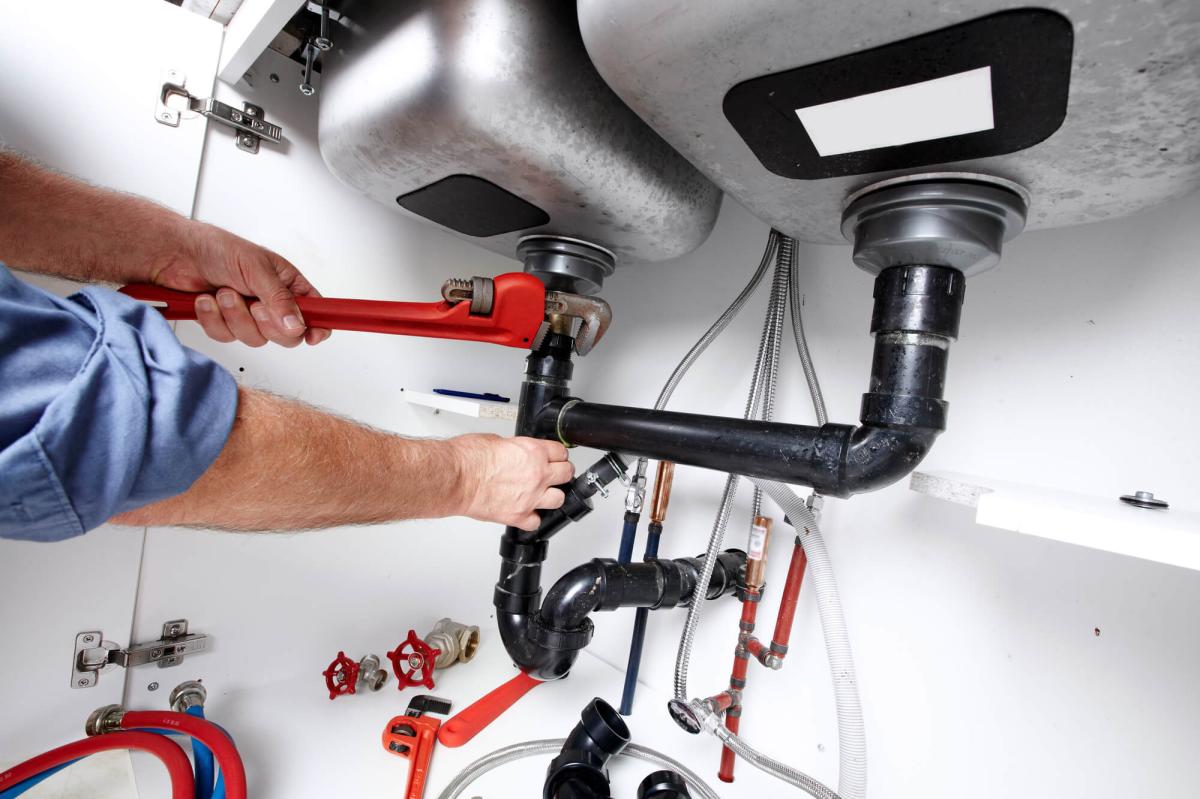
Benbrook homes see everything from hard-working water heaters to aging drain lines—often without much attention until something goes wrong. The good news: most plumbing emergencies don’t come out of nowhere. They build up through small warning signs you can catch early, saving stress, cleanup, and costly repairs.
Below is a practical, homeowner-friendly guide to spotting issues early and building a simple prevention routine—especially useful if you live in an older home or you’ve noticed changes in water pressure, drainage, or water quality.
Why “Small” Plumbing Issues Become Big Fast
Plumbing is a system—meaning one weak link can ripple into multiple problems. A slow leak can lead to hidden moisture and material damage. A partial clog can turn into a whole-home stoppage. A failing sewer line can show up as recurring backups and unpleasant odors.
In Benbrook, two factors commonly accelerate these issues:
- Older materials in older homes (including cast iron drain lines in many properties built decades ago)
- Everyday wear from fluctuating usage, seasonal temperature swings, and mineral buildup over time
The goal isn’t to become a DIY plumber. It’s to recognize early signals and respond before the “small thing” becomes an after-hours emergency.
Early Warning Signs You Shouldn’t Ignore
Some plumbing symptoms are easy to shrug off—until they repeat. Here are the signals that deserve a closer look:
Pressure and flow changes
If your shower suddenly feels weaker or your kitchen faucet takes longer to fill a pot, you might be dealing with:
- Mineral buildup in fixtures
- A developing leak
- A restriction somewhere in the system
- A valve or regulator issue
A one-day blip can happen. A week of “something’s different” is worth investigating.
Water bill spikes without behavior changes
A higher bill after house guests is one thing. A sudden jump with no lifestyle change can indicate hidden leaks—sometimes in places you won’t see, like under a slab, behind walls, or in a yard line.
Frequent clogs (especially across multiple drains)
One slow sink is annoying. Two or three drains acting up at the same time can signal a deeper blockage in the main line, not just hair in the trap.
Discolored water or unusual odor
Rusty, cloudy, or off-smelling water can come from corrosion, sediment, or system issues that deserve professional evaluation—particularly if it’s persistent.
Sewer smells or gurgling
Odors or gurgling toilets/drains can point to venting problems, dry traps, or sewer gas concerns. These aren’t just unpleasant; they can indicate functional issues that won’t fix themselves.
A Simple Prevention Routine That Actually Works
A little consistency goes a long way. Here’s a low-effort routine many homeowners follow to reduce surprise plumbing failures:
- Do a monthly “two-minute check.”
Look under sinks, behind toilets, and around the water heater for moisture, staining, or corrosion. You’re not looking for perfection—just changes. - Know where your shutoff valves are.
In a real leak, shutting off water quickly can be the difference between “minor cleanup” and “major restoration.” - Keep an eye (and ear) on your water heater.
Unusual popping or rumbling can indicate sediment buildup. Temperature inconsistency can signal performance issues. Catching these early can extend the unit’s life. - Be mindful of what goes down drains.
Grease, “flushable” wipes, and food scraps are frequent culprits behind recurring stoppages. A small change in habits often prevents repeated clogs. - Address slow drains before they stop completely.
A slow drain is often the first stage of a bigger blockage. Waiting until it’s fully blocked usually means a messier, more urgent fix.
When Benbrook Homeowners Should Think About Sewer Line Health
If your home is older—or you’ve had repeated backups—your sewer line deserves attention. Many homes built before the 1980s may still have cast iron, clay, or concrete components that weren’t designed to last forever. Over time, these materials can crack, corrode, or shift, leading to:
- Repeated sewer stoppages
- Whole-home drainage issues
- Persistent odors
- Backups that return after “quick fixes”
If you’re seeing patterns, a proactive inspection and a clear plan beats repeated emergency calls. Some plumbing teams in the area specialize in diagnosing and replacing aging lines with methods designed to reduce disruption to the home.
Choosing the Right Help Without Guesswork
Not all plumbing calls are the same. Some issues are quick repairs; others require deeper diagnostics. When you’re deciding who to call, look for a team that can clearly explain:
- What they think is happening and why
- What options you have (repair vs. replacement, short-term vs. long-term)
- What the next step is if the first fix doesn’t solve it
If you’re researching local service options and want to understand what a Benbrook residential plumber typically handles—from leaks and water heater issues to sewer stoppages and cast iron replacement—this overview fromBenbrook residential plumber is a helpful place to start.
A Quick “What Should I Do Right Now?” Checklist
If you suspect something is off, use this checklist to decide your next move:
- Active leak or fast water buildup? Shut off water at the nearest valve and call for service.
- Only one fixture affected? It may be localized, but track whether it returns.
- Multiple drains slow or backing up? Treat it as a system issue, not a single clog.
- Water heater behaving oddly? Don’t ignore sounds, leaks, or inconsistent temperature.
- Odors or gurgling? Venting or sewer issues are best addressed early.
Conclusion: Prevention Is Cheaper Than Panic
Plumbing surprises feel sudden, but most give warning signs—pressure changes, recurring clogs, rising water bills, or persistent odors. A simple monthly check and quick response to early symptoms can prevent the biggest, messiest problems.
If you take one thing from this guide, make it this: don’t wait for a “total failure” to take action. Treat small plumbing signals like smoke alarms—early alerts that help you protect your home, your time, and your budget.