THE TRANSFORMATION OF ENERGY SYSTEMS THROUGH SOLAR PANELS AND BATTERY STORAGE FOR A SUSTAINABLE FUTURE

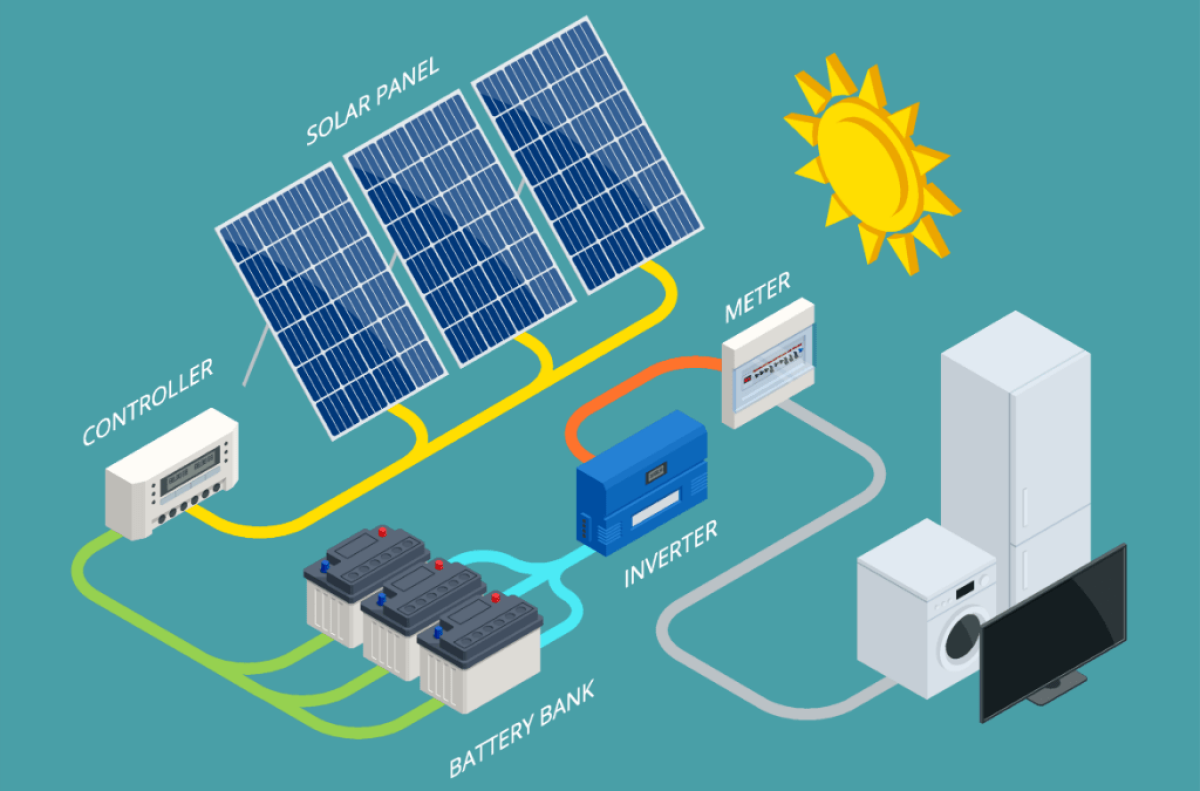
Solar panels and batteries have revolutionized the way we produce, store, and consume electricity. As global energy demand continues to rise, and concerns about climate change and environmental degradation intensify, renewable energy technologies have become essential. Solar panels harness the sun’s energy and convert it into electricity, while batteries store the generated power for later use. Together, they provide inverters reliable, sustainable, and cost-effective solution to traditional energy sources. This combination not only reduces dependence on fossil fuels but also contributes to environmental protection and long-term energy security.
HOW SOLAR PANELS CONVERT SUNLIGHT INTO ELECTRICITY
Solar panels operate based on the photovoltaic effect, a process where sunlight excites electrons within semiconductor materials to create an electric current. Each solar panel contains multiple solar cells, most commonly made from silicon, which is highly effective at converting sunlight into electrical energy. When sunlight strikes the solar cells, electrons are released, creating direct current electricity. An inverter then converts this direct current into alternating current electricity, which is compatible with household appliances, industrial equipment, and grid infrastructure.
DIFFERENT TYPES OF SOLAR PANELS AND THEIR APPLICATIONS
Solar panels are available in various types to meet specific energy needs and installation environments. Monocrystalline panels are known for their high efficiency, longevity, and sleek black appearance, making them suitable for residential rooftops and small-scale installations. Polycrystalline panels, while slightly less efficient, are more affordable and widely used in commercial and large-scale applications. Thin-film solar panels are lightweight, flexible, and ideal for unconventional installations, such as on curved surfaces or portable devices. Each type of panel is designed to optimize performance in different lighting conditions, climate zones, and energy demands.
THE ESSENTIAL ROLE OF BATTERIES IN SOLAR ENERGY SYSTEMS
Solar panels alone can only generate electricity when sunlight is available, which creates a challenge for energy use during nighttime or cloudy days. Batteries solve this problem by storing surplus electricity generated during peak sunlight hours and releasing it when needed. By pairing solar panels with battery storage, users can achieve energy independence, ensure a consistent power supply, and reduce reliance on the electrical grid. Battery systems are particularly valuable in regions prone to power outages or areas without reliable grid access.
HOW BATTERIES STORE AND DELIVER ELECTRICITY
Modern solar batteries, particularly lithium-ion types, store electrical energy in chemical form and convert it back into electricity when required. When solar panels produce more electricity than is immediately consumed, the excess energy charges the battery. Later, when energy demand exceeds solar generation, the battery discharges stored energy, maintaining a seamless electricity supply. Advanced battery management systems monitor charging and discharging cycles, enhancing efficiency, prolonging lifespan, and ensuring safe operation.
THE ECONOMIC ADVANTAGES OF SOLAR PANELS AND BATTERIES
Investing in solar panels and battery storage offers both short-term and long-term financial benefits. By generating their own electricity, users can significantly reduce or even eliminate monthly energy bills. Battery systems enhance these savings by storing energy when rates are lower and using it during peak pricing periods. In addition, government incentives, tax credits, and net metering policies further improve the return on investment. Over time, these systems can provide substantial cost savings while simultaneously increasing property value.
ENVIRONMENTAL IMPACT AND CONTRIBUTION TO SUSTAINABILITY
Solar energy is one of the cleanest forms of electricity generation, producing no direct greenhouse gas emissions during operation. By replacing energy derived from coal, oil, or natural gas, solar panels and batteries reduce air pollution, lower carbon footprints, and combat climate change. Widespread adoption contributes to the preservation of natural ecosystems, cleaner air, and improved public health. Furthermore, the use of renewable energy sources supports global sustainability goals by minimizing the depletion of finite resources.
TECHNOLOGICAL ADVANCEMENTS AND INNOVATIONS IN SOLAR ENERGY
The solar energy industry has seen rapid technological progress. New materials, such as perovskite solar cells, promise higher efficiency and lower production costs. Improvements in battery technology, including solid-state batteries and enhanced lithium-ion systems, are extending energy storage capacity, lifespan, and safety. Smart energy management systems enable precise monitoring and optimization of electricity consumption, ensuring that energy generation, storage, and use are aligned for maximum efficiency and sustainability.
CHALLENGES IN ADOPTING SOLAR PANELS AND BATTERIES
Despite the many advantages, solar and battery systems face certain challenges. High upfront installation costs, intermittent energy production, and limitations in battery lifespan can be barriers for some users. Recycling of solar panels and batteries is another concern, as the disposal of materials must be managed to minimize environmental impact. Energy efficiency, cost reductions, and regulatory support continue to evolve to address these challenges and make renewable energy more accessible.
THE FUTURE OF SOLAR PANELS AND BATTERY STORAGE IN ENERGY TRANSITION
The future of solar panels and battery storage is bright, driven by technological innovation, policy incentives, and increasing global demand for clean energy. Emerging technologies aim to improve efficiency, durability, and affordability while integrating energy systems into smart grids. As adoption grows, solar panels and batteries will play an increasingly important role in enabling energy independence, reducing carbon emissions, and supporting resilient communities.
SOLAR PANELS AND BATTERIES AS PILLARS OF A SUSTAINABLE ENERGY SYSTEM
Solar panels and battery storage represent a transformative approach to energy production and consumption. They empower individuals, businesses, and governments to generate, store, and manage electricity sustainably. By reducing reliance on fossil fuels, lowering energy costs, and protecting the environment, these technologies form the backbone of a resilient and sustainable energy future. As innovation continues and adoption expands, solar panels and batteries will remain central to creating a cleaner, more reliable, and equitable energy world.