The Ultimate Complete Guide To Buying New And Used Motorcycles For Every Rider And Every Budget Around The World

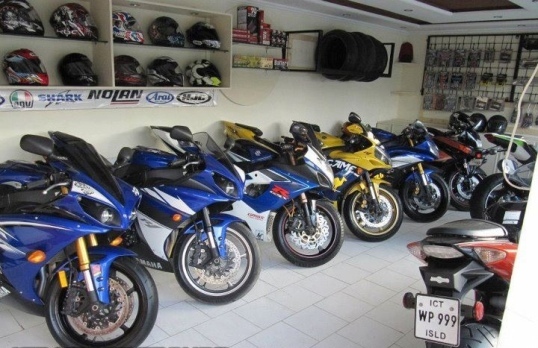
Motorcycles represent freedom, efficiency, adventure, and personality. Whether you are purchasing your very first bike or upgrading to a more powerful machine, deciding between a brand-new motorcycle and a pre-owned one is a major financial an
d lifestyle decision. The global motorcycle market offers everything from high-performance sport bikes and long-distance touring machines to practical commuter motorcycles and rugged adventure bikes. Understanding your needs, your budget, and the long-term ownership experience is essential before making a purchase.
This in-depth guide explores everything you need kawasaki motorcycles to know about buying new and used motorcycles, including advantages, disadvantages, inspection tips, financing options, insurance considerations, maintenance expectations, and how to choose the right motorcycle type for your riding style.
Understanding the Global Motorcycle Market and Your Options as a Buyer
The motorcycle industry is dominated by legendary manufacturers such as Honda, Yamaha, Kawasaki, Suzuki, Harley-Davidson, BMW Motorrad, and Ducati. These brands produce a wide range of motorcycles tailored to different riding preferences and skill levels.
When buying a motorcycle, you generally have two primary options: purchasing a brand-new motorcycle directly from a dealership or buying a used motorcycle from a dealer or private seller. Each option has unique advantages and potential drawbacks.
Advantages of Buying a Brand-New Motorcycle
Full Manufacturer Warranty and Peace of Mind
One of the strongest advantages of buying new is the factory warranty. New motorcycles typically come with one to three years of manufacturer warranty coverage. This ensures protection against mechanical defects and gives riders confidence during the early ownership period.
Latest Technology and Safety Features
New motorcycles include updated electronics, improved fuel efficiency, modern suspension systems, and advanced rider aids such as ABS, traction control, ride modes, and quick shifters. Many newer models also integrate digital dashboards, smartphone connectivity, and enhanced braking systems.
No Previous Wear and Tear
When you buy new, you are the first owner. There are no hidden mechanical problems, no previous accidents, and no unknown maintenance history. The engine, tires, and components are untouched and fresh from the factory.
Financing and Incentives
Dealerships often provide attractive financing offers for new motorcycles, including low-interest loans or promotional deals. Manufacturers sometimes offer seasonal discounts or bonus accessories.
Disadvantages of Buying a Brand-New Motorcycle
Higher Purchase Price
New motorcycles are more expensive than used ones. The upfront cost can be significantly higher, especially for premium brands.
Depreciation
Just like cars, motorcycles depreciate quickly in the first few years. Once you ride a new bike off the dealership lot, its resale value immediately decreases.
Higher Insurance Costs
Insurance premiums for new motorcycles tend to be higher due to their higher replacement value.
Benefits of Buying a Used Motorcycle
Lower Purchase Cost
Used motorcycles are typically much more affordable. You can often purchase a higher-end model for the same price as a new entry-level bike.
Reduced Depreciation
A used motorcycle has already undergone its major depreciation phase. If you maintain it properly, you may be able to resell it later with minimal financial loss.
Lower Insurance Rates
Insurance companies usually charge lower premiums for used motorcycles, making ownership more affordable in the long term.
More Negotiation Flexibility
When buying from a private seller, there is often room for price negotiation. This can result in a better deal compared to fixed dealership pricing.
Risks and Challenges of Buying a Used Motorcycle
Unknown Maintenance History
If service records are incomplete, you may not know how well the bike was maintained. Poor maintenance can lead to expensive repairs later.
Hidden Damage
A motorcycle may have been involved in accidents or dropped multiple times. Cosmetic damage might hide structural issues.
No Warranty Coverage
Unless the motorcycle is certified pre-owned from a dealer, used bikes often come without warranty protection.
How to Inspect a Used Motorcycle Before Buying
Check the Frame and Bodywork
Look closely for cracks, dents, rust, or uneven paint. Examine the frame alignment and inspect for welding marks that may indicate previous accident repairs.
Inspect the Engine Condition
Start the motorcycle and listen carefully for unusual noises such as knocking, ticking, or excessive vibration. Check for oil leaks and inspect the exhaust smoke color.
Examine Tires and Brakes
Worn tires, thin brake pads, or warped discs indicate additional replacement costs. Ensure the tires have even wear patterns.
Verify Service Records and Ownership Documents
Always request maintenance history and confirm the VIN matches the registration documents.
Choosing the Right Type of Motorcycle for Your Needs
Sport Motorcycles for Speed and Performance
Sport bikes are designed for agility, acceleration, and sharp handling. Models from Kawasaki and Yamaha are popular in this category. They are ideal for experienced riders who prioritize performance.
Cruiser Motorcycles for Comfortable Long Rides
Cruisers emphasize relaxed riding positions and classic styling. Harley-Davidson is a leader in this segment, offering iconic V-twin engines and comfortable ergonomics.
Adventure and Touring Motorcycles for Long-Distance Travel
Adventure motorcycles such as those from BMW Motorrad are built for both on-road and off-road exploration. These bikes are equipped for long journeys and varying terrains.
Standard and Naked Bikes for Everyday Riding
Standard motorcycles provide upright seating and versatile handling, making them suitable for commuting and casual riding.
Financing and Budget Planning for Motorcycle Buyers
Before purchasing, calculate not only the motorcycle price but also additional expenses including:
Insurance
Registration fees
Riding gear
Maintenance costs
Fuel expenses
Set a realistic budget and avoid stretching finances beyond comfort. Remember that a slightly cheaper motorcycle with reliable maintenance history can be smarter than an expensive bike that strains your budget.
New vs Used Motorcycle: Making the Final Decision
Choosing between a new and used motorcycle depends on your priorities:
If you value warranty coverage, modern technology, and peace of mind, buying new may be the better choice.
If you want affordability, slower depreciation, and greater value for money, a used motorcycle may be ideal.
First-time riders often benefit from purchasing a used motorcycle to gain experience before upgrading to a new premium model.
Maintenance Expectations After Purchase
Regardless of whether you buy new or used, proper maintenance is critical. Regular oil changes, chain lubrication, tire checks, and brake inspections extend the life of your motorcycle. Following the manufacturer's maintenance schedule ensures optimal performance and safety.
Insurance and Legal Considerations
Motorcycle insurance requirements vary by country and region. Comprehensive coverage protects against theft, accidents, and natural disasters. Always compare insurance providers before finalizing your purchase.
Ensure you have a valid motorcycle license and comply with local road regulations before riding.
Tips for Getting the Best Motorcycle Deal
Research market prices thoroughly.
Test ride the motorcycle whenever possible.
Compare multiple listings.
Negotiate respectfully and confidently.
Avoid rushing into a purchase.
Patience often results in better deals and smarter decisions.
Conclusion: Making a Smart Investment in Your Motorcycle Journey
Buying a new or used motorcycle is both an emotional and financial investment. A motorcycle is not just transportation; it is an expression of lifestyle, independence, and adventure. By carefully evaluating your budget, experience level, riding goals, and long-term maintenance expectations, you can confidently select the right motorcycle for your needs.