The Ultimate Comprehensive Guide To Buying New And Used Motorcycles: Everything You Need To Know Before Choosing Your Perfect Ride

Motorcycles have long symbolized freedom, adventure, efficiency, and personal expression. Whether you are considering your very first bike or planning to upgrade to something more powerful and refined, deciding between a new and a used motorcycle is one of the most important steps in your journey. Each option offers distinct advantages, challenges, financial considerations, and long-term implications. Understanding the differences, benefits, and potential risks can help you make a confident and informed decision that aligns with your riding style, budget, and goals.
Understanding the Appeal of Buying a Brand-New Motorcycle
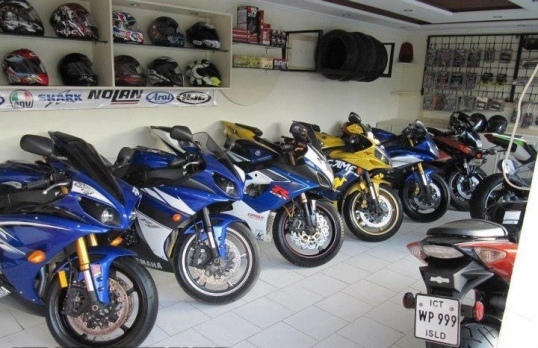
A brand-new motorcycle delivers a sense of excitement that is difficult to replicate. The untouched engine, flawless paint, modern technology, and manufacturer warranty provide peace of Yamaha Motorycles mind and a fresh start. Many riders choose new motorcycles because they want the latest engineering advancements, improved fuel efficiency, updated safety systems, and cutting-edge electronics.
When purchasing new, you gain access to advanced features such as ride-by-wire throttles, traction control, multiple riding modes, ABS systems, Bluetooth connectivity, and digital displays. These innovations enhance both safety and comfort, especially for daily commuting or long-distance touring.
Another major benefit of buying new is warranty protection. Most manufacturers provide comprehensive coverage for a specific period or mileage limit. This reduces unexpected repair expenses and ensures that any mechanical defects are addressed professionally. Additionally, new motorcycles typically require less maintenance during the first few years compared to older models.
Financing options are often more attractive for new motorcycles. Dealerships may offer promotional interest rates or flexible payment plans, making it easier for buyers to spread out costs over time. However, buyers should consider that new motorcycles depreciate faster during the first few years of ownership.
Exploring the Advantages of Buying a Used Motorcycle
Used motorcycles offer exceptional value for riders who want affordability without sacrificing performance. One of the most significant benefits is reduced purchase price. A motorcycle that is two or three years old can cost substantially less than a brand-new version, even though it may still be in excellent condition.
Depreciation works in favor of used buyers. Since the original owner absorbs the steepest depreciation during the first years, second-hand buyers often get more bike for their money. Insurance premiums are also typically lower for used motorcycles, which can lead to long-term savings.
Used motorcycles provide a wide selection of discontinued or classic models that are no longer in production. Riders who appreciate vintage styling or specific engine configurations may find unique options in the pre-owned market.
However, buying used requires careful inspection. Evaluating maintenance history, checking for accident damage, inspecting tires, brakes, suspension, and engine condition are critical steps. A test ride is essential to ensure smooth gear shifting, responsive braking, and consistent engine performance.
Comparing Costs Between New and Used Motorcycles
Price is often the deciding factor for many buyers. New motorcycles generally come with higher upfront costs, including taxes, registration, dealership fees, and insurance premiums. On the other hand, used motorcycles offer lower purchase prices and sometimes lower registration costs depending on local regulations.
While new bikes require fewer immediate repairs, used motorcycles may require replacement parts sooner. Tires, chains, brake pads, and fluids might need servicing depending on previous usage. Buyers should include these potential maintenance costs when calculating total ownership expenses.
Fuel efficiency varies by model rather than age, but newer motorcycles sometimes feature improved engine tuning and emission systems that optimize fuel consumption. Over time, this may result in modest savings for daily riders.
Choosing the Right Type of Motorcycle for Your Needs
Regardless of whether you buy new or used, selecting the correct type of motorcycle is crucial. Different riding styles demand different designs and performance characteristics.
Sport Motorcycles Designed for Speed and Precision
Sport motorcycles are built for performance, agility, and aerodynamic efficiency. They typically feature powerful engines, aggressive riding positions, and advanced braking systems. These bikes are ideal for experienced riders seeking thrilling acceleration and sharp cornering capabilities.
Cruiser Motorcycles Offering Comfort and Classic Styling
Cruisers focus on relaxed riding positions, lower seat heights, and strong low-end torque. They are popular among riders who prefer comfortable highway cruising and distinctive styling. Many cruisers emphasize customization and personal expression.
Touring Motorcycles Built for Long-Distance Adventures
Touring motorcycles are equipped with wind protection, luggage systems, advanced suspension, and comfortable seating. They are perfect for extended road trips and cross-country journeys. These bikes often include advanced infotainment systems and ergonomic features.
Adventure Motorcycles Combining On-Road and Off-Road Capability
Adventure motorcycles provide versatility for riders who want to explore diverse terrain. With upright seating positions, long-travel suspension, and rugged frames, they handle highways and dirt trails with confidence.
Standard Motorcycles Offering Balanced Performance
Standard motorcycles provide a neutral riding position and balanced performance, making them suitable for commuting, city riding, and casual weekend trips. They are often recommended for beginners due to manageable power delivery.
Key Factors to Inspect When Buying a Used Motorcycle
When purchasing a used motorcycle, attention to detail can prevent costly mistakes. Inspect the frame carefully for cracks, rust, or signs of welding. Check alignment by ensuring the handlebars and wheels are straight. Uneven tire wear may indicate suspension or alignment issues.
Examine the chain and sprockets for excessive wear. Look for oil leaks around the engine and fork seals. Test all electrical components including headlights, indicators, brake lights, and horn. A thorough service record is a strong indicator of responsible ownership.
If possible, consider having a professional mechanic perform a pre-purchase inspection. This small investment can provide reassurance and help identify hidden mechanical issues.
The Emotional Aspect of Buying a Motorcycle
Beyond financial and technical considerations, buying a motorcycle is an emotional decision. For many riders, it represents independence, passion, and personal identity. The sound of the engine, the feel of acceleration, and the connection to the road create experiences that few other vehicles can replicate.
New motorcycles often deliver the excitement of customization from scratch. Used motorcycles may carry stories, character, and unique modifications that reflect previous ownership. Choosing between them depends not only on logic but also on how the bike makes you feel.
Negotiation Tips for Motorcycle Buyers
Negotiation plays an important role, especially when buying used motorcycles. Research market values for similar models and compare prices across listings. Be prepared to walk away if the deal does not feel fair.
When buying new, inquire about seasonal promotions, trade-in bonuses, or dealership incentives. Dealers may offer discounts during slower sales periods or at the end of the model year.
Confidence, preparation, and respectful communication can often result in better pricing or added benefits such as accessories or service packages.
Maintaining Your Motorcycle After Purchase
Proper maintenance extends the life and performance of both new and used motorcycles. Regular oil changes, tire pressure checks, chain lubrication, brake inspections, and scheduled servicing are essential. Following manufacturer recommendations ensures optimal reliability and safety.
Protective storage also plays a role in preserving your investment. Using covers, keeping the bike in a garage, and avoiding prolonged exposure to harsh weather conditions help prevent corrosion and cosmetic damage.
Riders should also invest in quality protective gear including helmets, gloves, jackets, and boots. Safety equipment is as important as the motorcycle itself.
Final Thoughts on Buying New and Used Motorcycles
Deciding whether to buy a new or used motorcycle ultimately depends on your budget, experience level, and personal priorities. A new motorcycle offers advanced technology, warranty protection, and a fresh start. A used motorcycle delivers affordability, reduced depreciation, and unique value.