The Ultimate Guide To Understanding Asphalt Mixing Plants And Their Critical Role In Modern Construction

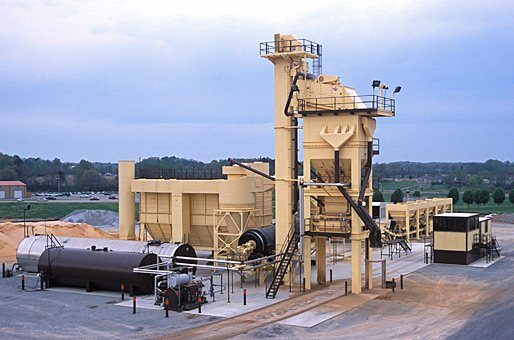
Introduction to Asphalt Mixing Plants and Their Function in Road Construction
Asphalt mixing plants are fundamental to the infrastructure development process, providing the essential material required for constructing roads, highways, and various pavements. These plants are sophisticated systems designed to combine aggregates, bitumen, and fillers at precise temperatures to produce high-quality asphalt. The efficiency and quality of the asphalt produced directly influence the durability and performance of roads. In modern construction, these plants have evolved to incorporate advanced technology that ensures uniform mixing, reduces emissions, and allows for large-scale production to meet growing demands.
Components and Structure of Asphalt Mixing Plants
Understanding the structure of an asphalt mixing plant is crucial to appreciating its function. The plant typically consists of several key components: cold aggregate bins, drying drum, burner, vibrating screens, mixing tower, and storage silos. Cold aggregates are first loaded into the bins and then conveyed to the drying drum, where moisture is removed using a high-temperature burner. Once dry, aggregates are screened to Asphalt Mixing Plant Manufacturer ensure size uniformity before being mixed with hot bitumen in the mixing tower. Modern plants also include dust collectors and emission control systems, reflecting an increased focus on environmental responsibility.
Types of Asphalt Mixing Plants and Their Specific Applications
Asphalt mixing plants are broadly categorized into two main types: batch mix plants and drum mix plants. Batch mix plants operate by producing asphalt in individual batches, offering high flexibility in adjusting mix composition and temperature. They are often used in projects requiring specialized asphalt mixes, such as high-performance pavements or urban road construction. Drum mix plants, on the other hand, produce asphalt continuously, making them ideal for large-scale highway projects where speed and efficiency are priorities. Each type of plant has its advantages and applications, and selecting the right plant depends on project requirements, budget, and production volume.
Technological Advancements and Automation in Asphalt Plants
Modern asphalt mixing plants have undergone significant technological advancements, with automation playing a pivotal role in improving production efficiency. Advanced control systems allow operators to monitor temperature, aggregate proportions, and mixing time in real-time, ensuring consistent quality. Some plants incorporate computer-controlled weighing systems and programmable logic controllers, reducing human error and increasing precision. Innovations such as recycled asphalt pavement (RAP) integration and warm-mix asphalt technology are also gaining popularity, offering environmental benefits and cost savings.
Environmental Considerations and Sustainability Practices
Environmental responsibility is an essential consideration in asphalt production. Traditional asphalt plants can generate dust, fumes, and carbon emissions if not properly managed. Modern plants are equipped with advanced filtration systems and low-emission burners to minimize air pollution. Additionally, the use of recycled materials, including RAP and industrial by-products, contributes to sustainable construction practices. These efforts not only reduce the environmental footprint but also help project managers meet regulatory requirements and community standards.
Maintenance, Safety, and Operational Efficiency
Regular maintenance and adherence to safety protocols are critical for the optimal performance of asphalt mixing plants. Preventive maintenance includes checking burners, conveyors, mixing units, and electrical systems to prevent breakdowns. Operators must also follow safety measures, including proper handling of hot materials, protective gear, and emergency shutdown procedures. Operational efficiency can be enhanced through training programs, routine inspections, and monitoring of production data to identify potential bottlenecks. Efficient operations ensure high-quality asphalt output while minimizing downtime and production costs.
Economic Impact and Industry Significance
The asphalt mixing plant industry has a profound economic impact, contributing significantly to the construction and infrastructure sector. The availability of high-quality asphalt ensures the timely completion of road projects, which in turn facilitates trade, transportation, and economic growth. Asphalt plants create employment opportunities, stimulate local economies, and support ancillary industries such as bitumen production and aggregate supply. Investments in modern plants not only enhance productivity but also offer long-term returns through improved infrastructure durability and reduced maintenance costs.
Future Trends and Innovations in Asphalt Production
The future of asphalt mixing plants is closely tied to sustainability, automation, and material innovation. Researchers are exploring new binders, eco-friendly additives, and energy-efficient processes to reduce environmental impact while enhancing pavement performance. Smart plant technologies, including AI-based predictive maintenance and IoT-enabled monitoring, are expected to revolutionize plant management. Additionally, modular and mobile asphalt plants are gaining popularity for their flexibility and ease of deployment in remote construction sites. These trends indicate a dynamic future where efficiency, environmental stewardship, and innovation drive the asphalt industry forward.
Conclusion: The Essential Role of Asphalt Mixing Plants in Modern Infrastructure
Asphalt mixing plants are more than just production facilities; they are critical enablers of modern infrastructure development. Their role in delivering high-quality asphalt ensures roads, highways, and pavements are safe, durable, and sustainable. With ongoing technological advancements, environmental focus, and industry innovation, these plants continue to evolve, meeting the growing demands of urbanization and global infrastructure needs. Understanding the components, types, maintenance practices, and future trends of asphalt mixing plants allows construction professionals, engineers, and policymakers to make informed decisions that shape the built environment for years to come.