Thinking About Dental Implants? A Clear, Practical Guide To Making The Right Call

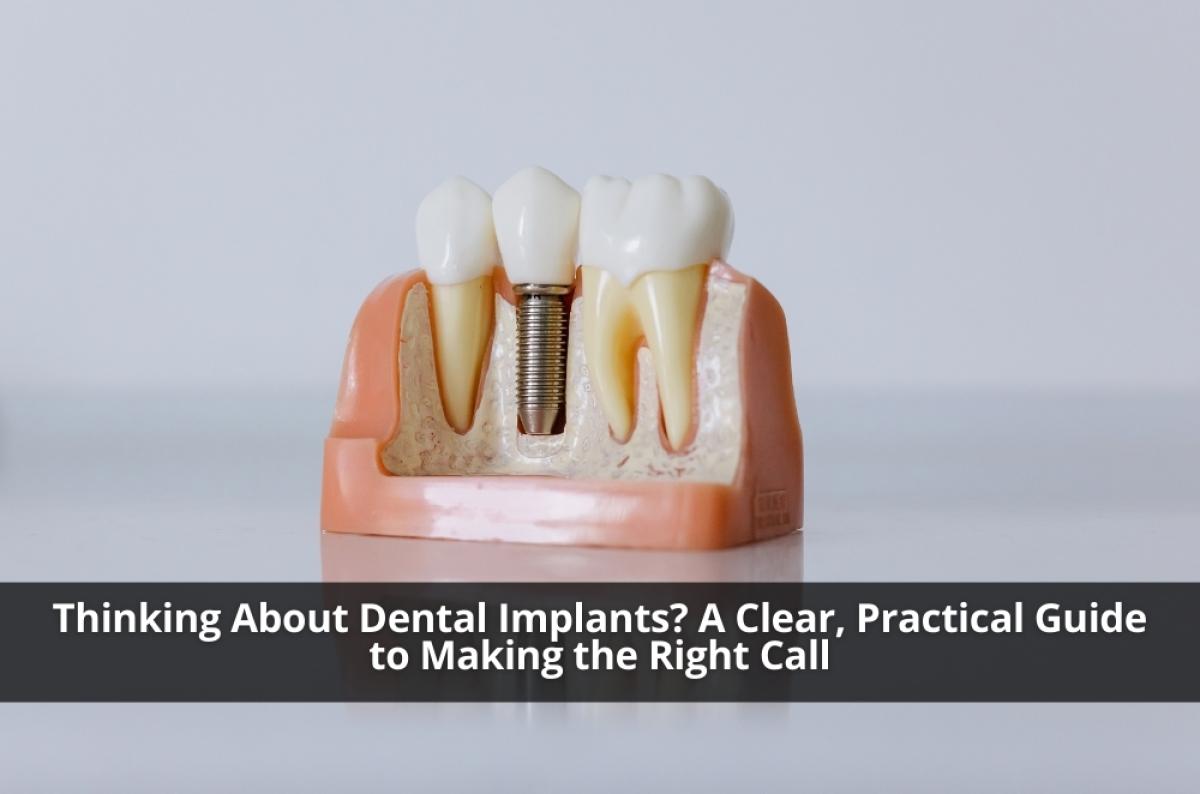
Missing teeth can change more than a smile.
They can affect how food is enjoyed, how clearly words come out, and how confident it feels to speak up at work or in social settings.
Dental implants are one option that many Australians consider because they aim to replace a tooth in a way that feels stable and “part of you”, but they are not the right fit for everyone.
A good decision here is rarely about hype, and more about understanding your own health picture, your timeline, and what you’re willing to maintain long-term.
This guide breaks down what implants are, what to ask, and how to compare options without getting lost in jargon.
What dental implants do (and what they don’t)
A dental implant is typically a small titanium post that’s placed into the jawbone to act like a tooth root, with a restoration (often a crown) added later to restore function and appearance.
People often like implants because they can feel secure when eating and speaking, and they don’t rely on neighbouring teeth the way some other options might.
Implants don’t “freeze time” for the rest of the mouth.
Gum health, bite forces, cleaning habits, and other medical factors still matter, and implants can fail if the foundations aren’t right or the aftercare isn’t followed.
Who implants can suit, and why suitability varies so much
If you talk to ten people who have had implants, you’ll hear ten different stories.
That’s because suitability depends on bone quality, gum health, medical history, medications, smoking or vaping, teeth grinding, and how predictable the bite is.
If bone volume is limited, some people may need additional procedures such as grafting, which can change costs and timelines.
If gum disease is active, stabilising that first is often part of the pathway to making any tooth replacement last.
Even “simple” cases can become complex if expectations aren’t aligned early, especially around aesthetics for front teeth or the time needed for healing.
The implant journey in plain English
Most implant journeys have a few repeating stages, even if the exact order or timing differs.
First comes a proper assessment, which may include 3D imaging, bite evaluation, and a discussion of medical history and medications.
Then there’s planning: how many teeth are being replaced, whether extractions are required, whether temporary options are needed, and how long someone needs to plan for recovery and follow-up visits.
Surgery is usually one part of the process, not the whole process, and it’s commonly followed by a healing period while the implant integrates with bone.
After healing, the restoration phase begins, where the implant is fitted with a component to support the final tooth (or teeth) and the bite is adjusted so forces are distributed safely.
If it helps to see the stages laid out before booking, the Marsfield Dental Care implant process overview is a straightforward reference for what’s typically discussed at an implant consult.
Common mistakes people make when comparing implants
One common mistake is comparing options using only a single price figure.
Implant costs can include assessment and imaging, surgical placement, temporary solutions, restoration components, and follow-up, and different clinics structure these inclusions differently.
Another mistake is assuming “fast” automatically means “better”.
Same-day solutions can be appropriate in some situations, but they’re not universally suitable, and pushing timelines can increase risk if the foundations are not stable.
A third mistake is not asking about maintenance.
Implants still need daily cleaning and regular professional checks, and people who have never had a consistent oral hygiene routine may need coaching and tools to keep an implant healthy.
Decision factors to weigh before choosing an approach or provider
Health and predictability
Start with the basics: gum health, bone conditions, and medical considerations like diabetes, immune conditions, and smoking.
A provider should be comfortable explaining what makes your case predictable, what makes it higher risk, and what can be done to reduce risk.
Timeline and downtime
Ask what the realistic timeline looks like from assessment to final restoration, including any healing windows.
Also ask what day-to-day life might look like immediately after surgery, including eating, speaking, and work commitments.
Comfort with the plan
plan should make sense to you in plain English.
If the explanation relies on vague reassurances, it’s a sign to slow down and ask for specifics, including “what happens if healing doesn’t go to plan?”
Long-term maintenance and “total effort”
Think about the cleaning tools and habits you’ll need, the check-up cadence, and whether you have the routines to keep an implant clean around the gumline.
A lower-effort alternative might suit some people better, especially if dexterity, health, or budget makes maintenance harder.
Alternatives that might be more appropriate
A bridge or a partial denture can be a better fit for some people depending on the number of missing teeth, the health of adjacent teeth, and budget constraints.
A thoughtful consult should cover these alternatives without pushing you into one direction.
Operator Experience Moment
A pattern that shows up often is that people arrive focused on “getting the implant done”, but leave the best consults thinking about foundations: gums, bite, and whether the timeline matches real life.
When a clinician takes five extra minutes to map out the steps and likely decision points, anxiety tends to drop because the process stops feeling mysterious.
The most relieved patients are usually the ones who understand not just what’s planned, but why each stage exists.
A simple first-actions plan for the next 7–14 days
Book a consultation focused on suitability and planning, not just pricing.
Write down any medical conditions, medications, and lifestyle factors that could affect healing, including smoking or vaping.
List the outcomes that matter most: stability for eating, appearance, speed, minimal appointments, or keeping costs predictable.
Prepare three questions to take in: “What makes my case straightforward or complex?”, “What are the alternatives and trade-offs?”, and “What maintenance will I need to commit to?”
If timing matters, map your next month on a calendar and identify any events where you’d prefer not to be in recovery or on a soft-food diet.
Local SMB mini-walkthrough (Australia)
Start by shortlisting clinics that clearly explain metal free dental implants in Sydney stages, not just outcomes.
Ask whether imaging is done as part of the assessment and how treatment planning is documented.
Check how follow-up is handled, including who you contact if you’re unsure about healing in the days after a procedure.
Confirm whether costs are itemised and what’s included in each stage, so comparisons are fair.
If private health is involved, ask what can and can’t be claimed and what paperwork is provided.
If you’re in a busy suburb corridor, factor travel and parking into your appointment plan so follow-ups don’t become a stress point.
Practical Opinions
Choose clarity over speed when plans feel rushed.
Pay more attention to foundations and maintenance than to marketing terms.
If the explanation doesn’t make sense in plain English, keep shopping around.
Key Takeaways
Implants can be a stable way to replace teeth, but suitability depends on health factors like gums, bone, and healing risk.
Good comparisons look at inclusions, timeline, maintenance, and alternatives, not just a headline price.
The best outcomes often come from careful planning and realistic expectations about stages and recovery.
A simple two-week plan can reduce uncertainty and help you ask better questions at the first consult.
Common questions we hear from Australian businesses
Do implants always cost more than other options?
Usually cost is higher upfront than some alternatives, but the right comparison is “total value over time” based on how long something is expected to last and what maintenance looks like. A practical next step is to ask for an itemised plan that separates assessment, surgery, and restoration so you can compare like-for-like. In Australia, costs and inclusions can vary widely between clinics and suburbs, so a single number rarely tells the full story.
How long does the whole process take?
It depends on whether extractions, gum treatment, or grafting are needed, and how long healing is expected to take in your situation. A practical next step is to request a written timeline with decision points (for example, “what happens if healing takes longer?”) so you can plan work and family commitments. In Australia, appointment spacing and lab turnaround times can also affect timelines, especially during busier periods.
Are implants painful and what’s recovery like?
In most cases people report manageable discomfort rather than severe pain, but recovery experiences vary based on the complexity of surgery and personal healing factors. A practical next step is to ask what pain management is typically recommended, what foods to plan for, and what symptoms would justify a same-day call. In Australia, many people plan recovery around work schedules and commuting, so it’s worth discussing downtime in practical terms.
What if I’m not a good candidate for implants?
Usually there is still a workable solution, but it may involve stabilising gum health first, adjusting risk factors, or choosing a different option like a bridge or denture. A practical next step is to ask for the “best alternative plan” and the trade-offs in comfort, longevity, and maintenance. In Australia, budget and appointment accessibility can influence the most realistic choice, so a good consult should explore options without pressure.