Transforming Urban Spaces With Safe And Effective Graffiti Cleaning Solutions
Graffiti is often described as a form of self-expression and creativity, yet in many city environments, it quickly becomes a challenging maintenance issue. Once public surfaces are tagged, the aesthetic and perception of the area can rapidly shift. Clean walls and well-maintained streets send a signal of care, management, and safety, while unmonitored markings can make an area appear neglected. For municipalities, property caretakers, and community improvement organizations, the goal isn’t to erase creativity but rather ensure that public places remain clean, safe, and visually inviting for everyone, which is why many rely on Graffiti Remover for Cities to maintain urban appeal.
Using the right method for removing graffiti can make a measurable difference in the long-term appearance and maintenance costs of urban spaces. Choosing methods that are effective, eco-conscious, and surface-friendly helps cities retain a fresh look without overreliance on harsh chemicals or damaging techniques.
 The Importance of Quick Graffiti Response
 The Importance of Quick Graffiti Response
One of the most effective graffiti management strategies is fast removal. Studies and urban behavior theories suggest that markings left unattended attract more markings. When graffiti is removed promptly, it discourages repeated vandalism and helps preserve the appearance of surrounding infrastructure.
Responding efficiently also prevents stains from soaking deeply into porous materials such as brick, stone, and concrete making the removal process easier and less intrusive. Clear public surfaces contribute to a sense of order, support community pride, and maintain property value, especially in busy commercial zones or tourist-heavy districts.
Understanding Surface Types and Removal Needs
Every wall, sign, bench, or structure reacts differently to paint, permanent markers, and removal solutions. This is why there isn’t a one-size-fits-all method. Cities commonly face graffiti on:
- Concrete bridges and highway pillars
- Stone monuments and historical surfaces
- Public transit stations, buses, and rail cars
- Metal traffic signs and utility boxes
- Painted building exteriors
- Playgrounds and park structures
Before deciding how to clean graffiti, it’s essential to identify the surface material and the type of marking applied. Some paint may dissolve with mild solutions, while others may require more specialized approaches such as steam cleaning, pressure washing, or surface-specific chemical treatment.
Taking the time to match method to material prevents permanent discoloration, etching, or damage especially on delicate or historical structures.
The Role of Surface Protection
Instead of continuously reacting to vandalism, many cities are choosing proactive protection approaches. Applying graffiti proof paint or surface coatings can reduce future labor and costs while preserving the integrity of the material beneath. These coatings form a protective barrier that prevents paint from bonding permanently with the surface, making cleanup significantly easier.
Two common categories of protective coatings include:
Sacrificial coatings: Applied in layers and removed along with graffiti, then reapplied afterward.
Non-sacrificial coatings: Long-lasting layers that withstand multiple cleaning cycles.
Using protective coatings is especially helpful for frequently targeted locations such as tunnels, underpasses, school exteriors, and public restrooms.
Choosing or Evaluating Removal Methods
When comparing options, some municipalities research best graffiti removal products suitable for various situations rather than relying on a single solution. Factors often considered include:
- Environmental safety
- Biodegradability
- Odor and fume level
- Effectiveness on multiple types of paint
- Impact on porous surfaces
- User safety and handling requirements
Surface testing in a small, hidden area often helps avoid damage. Protective equipment and adherence to safety guidelines ensure the process remains safe for workers and nearby pedestrians.
Community Engagement and Prevention
While removal tools and methods are critical, cities are finding that education and engagement also help reduce vandalism. Organizing public mural programs, open art walls, or legal graffiti zones provides artists with creative space while reducing illegal tagging.
Other prevention ideas include:
- Adding more lighting in frequently targeted areas
- Investing in surveillance tools where appropriate
- Encouraging community reporting
- Creating awareness about the cost and labor required to remove graffiti
Cities that involve artists, youth groups, and local volunteers often experience a noticeable change in attitudes toward shared spaces.
Safe and Responsible Use of Cleanup Resources
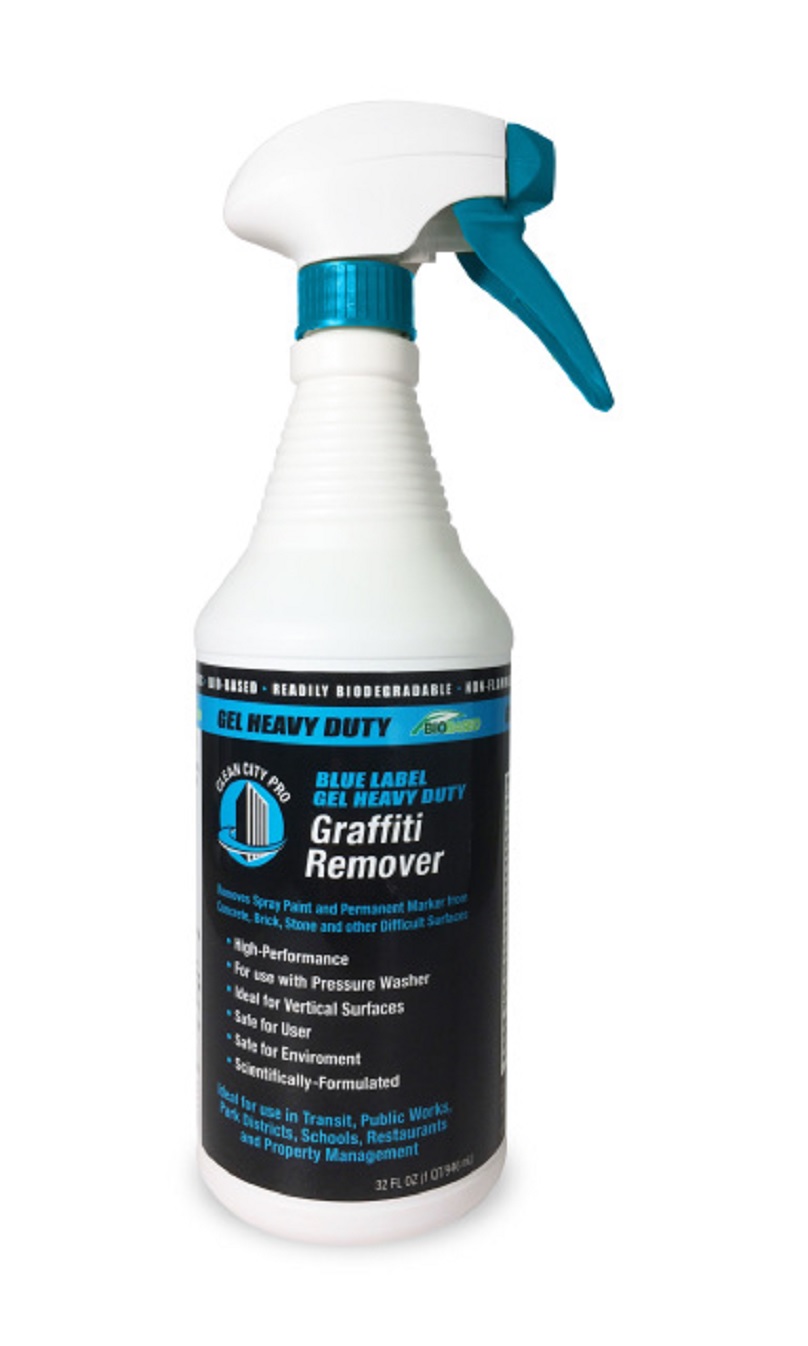
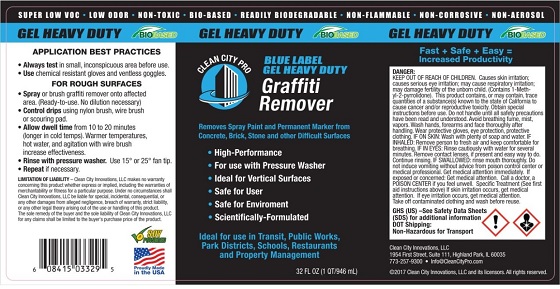
Using a product such as Graffiti Remover for Cities should be approached with responsibility. When applying chemicals or other cleaning solutions, wearing gloves, eye protection, and masks helps protect the applicator from irritants. Surrounding vegetation, waterways, and public access zones should be considered before any removal technique begins.
Urban environments are shared spaces used for recreation, travel, gatherings, and daily movement. Making the cleanup process safe and considerate ensures that beautification efforts do not unintentionally impact city life or public health.
A Step-by-Step Approach to Graffiti Cleaning
Understanding a general workflow helps streamline the removal process:
1. Assess the site: Identify surface type, marking material, and access challenges.
2. Select method: Pressure washing, soft washing, chemical application, or coating removal.
3. Test a small area: Ensure no fading, damage, or discoloration occurs.
4. Perform removal: Follow instructions carefully for the chosen method or product.
5. Rinse and restore: Remove any residue and check surface uniformity.
6. Apply protection if needed: Consider coatings to prevent future bonding.
7. Document and review: Keep track of methods, time spent, and results for future improvements.
Consistency in approach ensures reliable outcomes and supports ongoing maintenance efficiency.
Why Strategic Solutions Matter
Using Graffiti Remover for Cities is not just about eliminating markings it is about preserving the character and integrity of public infrastructure. Parks, monuments, sidewalks, and buildings reflect the identity and values of the community. Clean environments invite tourism, encourage civic engagement, and contribute to a safer and more welcoming atmosphere.
Urban renewal projects around the world are increasingly adopting graffiti management strategies as part of broader city planning and beautification efforts. Whether working with a single building or an entire district, effective removal and prevention techniques can play a vital role in shaping cleaner, well-maintained communities.
Maintaining the appearance of public environments is ongoing work, but with the right knowledge, tools, and preventive measures, cities can stay vibrant and graffiti-free without compromising creativity or culture.