Tummy Tuck Anesthesia Options: Safe Choices Explained

A tummy tuck, also known as abdominoplasty, reshapes the abdomen by removing excess skin and fat while tightening muscles for a smoother, firmer midsection. Patients often wonder about anesthesia options, as this critical aspect ensures comfort and safety during the procedure. Choosing the right anesthesia type depends on factors like surgery extent, patient health, and surgeon preferences. tummy tuck riyadh This guide dives into the most common Tummy Tuck anesthesia choices, explaining how they work, their benefits, and what to expect. Whether you're considering a full tummy tuck or a mini version, understanding these options empowers you to make informed decisions for a smoother journey.
Anesthesia plays a pivotal role in minimizing pain and anxiety, allowing skilled surgeons to perform precise work. From local numbing agents to full general sedation, each method balances efficacy with recovery speed. We'll explore safety profiles, ideal candidates, and tips for preparation, helping you envision a confident path to your dream silhouette.
Why Anesthesia Matters in Tummy Tuck Surgery
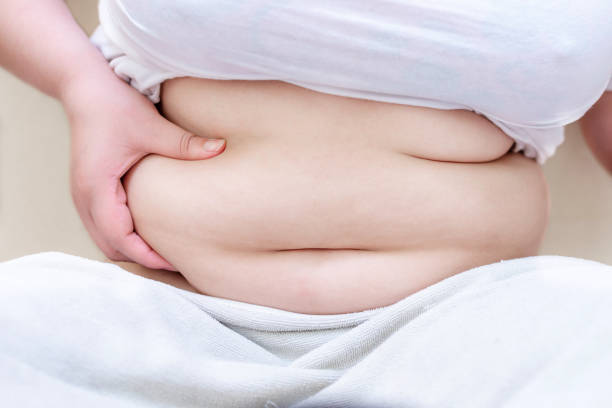
Tummy Tuck procedures involve incisions across the lower abdomen, muscle repairs, and sometimes liposuction, making effective pain control essential. Without proper anesthesia, discomfort could compromise results and prolong healing. Modern techniques prioritize patient safety, using monitored drugs that wear off predictably to speed recovery.
Surgeons tailor anesthesia to your medical history, body mass index, and anxiety levels. For instance, those with heart conditions might favor lighter options. This personalized approach reduces risks like nausea or prolonged drowsiness, ensuring you wake up refreshed and ready for the next steps.
In Tummy Tuck in Riyadh, advanced facilities equip operating rooms with state-of-the-art monitoring for real-time vital signs tracking. This setup enhances safety, letting anesthesiologists adjust dosages seamlessly. Engaging with your team early uncovers the best fit, turning a potentially daunting process into a streamlined experience.
Common Tummy Tuck Anesthesia Types
Local Anesthesia with Sedation
Local anesthesia numbs the abdominal area using injected agents like lidocaine, paired with IV sedation for relaxation. Ideal for mini tummy tucks or smaller corrections, it keeps you drowsy but breathing independently. Benefits include quicker wake-up times and fewer systemic effects, perfect for outpatient procedures.
Patients often describe it as a "twilight sleep," where you feel calm without full unconsciousness. Risks are minimal, mainly mild bruising at injection sites. Recovery involves light monitoring for an hour post-op, letting you head home sooner with oral pain meds.
Regional Anesthesia: Epidural or Spinal Blocks
Regional options like epidurals deliver numbing medication through a catheter into the spine's epidural space, blocking pain from the chest down. Spinal blocks offer similar numbness via a single lumbar injection. Both suit extensive tummy tucks, providing dense abdominal coverage without affecting breathing muscles.
These methods shine for patients prone to general anesthesia side effects, offering muscle relaxation for optimal surgical access. Duration lasts 2-4 hours, with catheters extendable for post-op pain control. Watch for rare headaches from spinal fluid leaks, easily managed with hydration and rest.
General Anesthesia: The Gold Standard for Complex Cases
General anesthesia induces complete unconsciousness via inhaled gases and IV drugs, intubating the airway for safe breathing. It's the go-to for full tummy tucks involving upper abdomen work or combined procedures like liposuction. Anesthesiologists monitor depth to avoid over-sedation, ensuring smooth emergence.
This option guarantees immobility, vital for precision in muscle plication. Modern agents like propofol reduce hangover effects, with most patients alert within 30 minutes. Safety protocols include pre-op fasting and airway checks, minimizing rare complications like aspiration
Safety Measures and Risk Mitigation
All tummy tuck anesthesia follows strict protocols, including pre-op evaluations with EKGs and bloodwork. Anesthesiologists specialize in cosmetic surgery, tracking oxygen levels, blood pressure, and CO2 throughout. In Riyadh's top centers, emergency equipment stands ready, though serious events remain exceedingly rare—less than 0.01% in accredited facilities.
Patient preparation amplifies safety: quit smoking weeks prior, disclose medications, and fast as instructed. Post-anesthesia, nausea meds and warming blankets ease transitions. These layers create a fortress of protection, letting you focus on transformation.
Recovery After Anesthesia: What to Expect
Emerging from anesthesia varies: local patients sip water soon after, while general requires a 1-2 hour observation. Common sensations include grogginess, dry mouth, or mild shivering— all transient. Walk assisted within hours to prevent clots, advancing to normal activities in days.
Pain peaks at 48 hours, managed by prescribed meds or nerve blocks. Hydration flushes agents faster, while light walks promote circulation. By week one, most resume desk work, reveling in initial contour improvements.
Factors Influencing Your Anesthesia Choice
Age, weight, and comorbidities steer decisions—elderly patients lean regional for gentler profiles. Anxiety drives sedation additions, while athletes favor locals for swift rebounds. Cultural preferences in Riyadh often prioritize minimal invasiveness, blending tradition with tech.
Lifestyle matters too: parents schedule generals for uninterrupted surgery, avoiding mid-procedure adjustments. Open dialogues reveal hidden factors, crafting bespoke plans that thrill with efficiency.
Emerging Trends in Tummy Tuck Anesthesia
Innovations like target-controlled infusion systems deliver precise drug doses, slashing variability. Ultrasound-guided regionals boost accuracy, reducing failed blocks. Eco-friendly inhaled agents gain traction, aligning with global sustainability.
In Riyadh, AI-monitored anesthesia predicts responses, personalizing in real-time. These advances promise even safer, faster recoveries, exciting patients nationwide.
Book a Consultation at Enfield Royal Riyadh
Ready to explore your ideal tummy tuck anesthesia? Book an appointment for a personalized consultation at Enfield Royal Riyadh clinic. Our experts guide you through options tailored to your goals.
FAQs
What is the safest anesthesia for tummy tuck?
General anesthesia tops safety in accredited settings due to continuous monitoring, but locals suit minors cases—your health history decides.
How long does tummy tuck anesthesia last?
Effects fade in 30 minutes to 4 hours; regional catheters extend relief up to 48 hours for seamless pain management.
Can I choose anesthesia for my tummy tuck?
Yes! Discuss preferences with your surgeon; factors like procedure scope and medical profile guide the final pick.
Does tummy tuck anesthesia cause memory loss?
Rarely—modern short-acting agents minimize this; pre-op chats and sedatives ensure calm without cognitive fog.
Is local anesthesia enough for full tummy tuck?
Typically no, as it limits coverage; combine with sedation or upgrade to regional/general for comprehensive comfort.