Understanding Iinterferential Ultrasound In Modern Physiotherapy
Advancements in physiotherapy have introduced several effective modalities to support pain relief, tissue healing, and functional recovery. One such combined approach gaining attention is iinterferential ultrasound, which integrates the benefits of electrotherapy and ultrasound therapy into a comprehensive treatment strategy. This technique is commonly used to manage musculoskeletal pain, inflammation, stiffness, and soft tissue injuries.
What Is iinterferential Ultrasound?
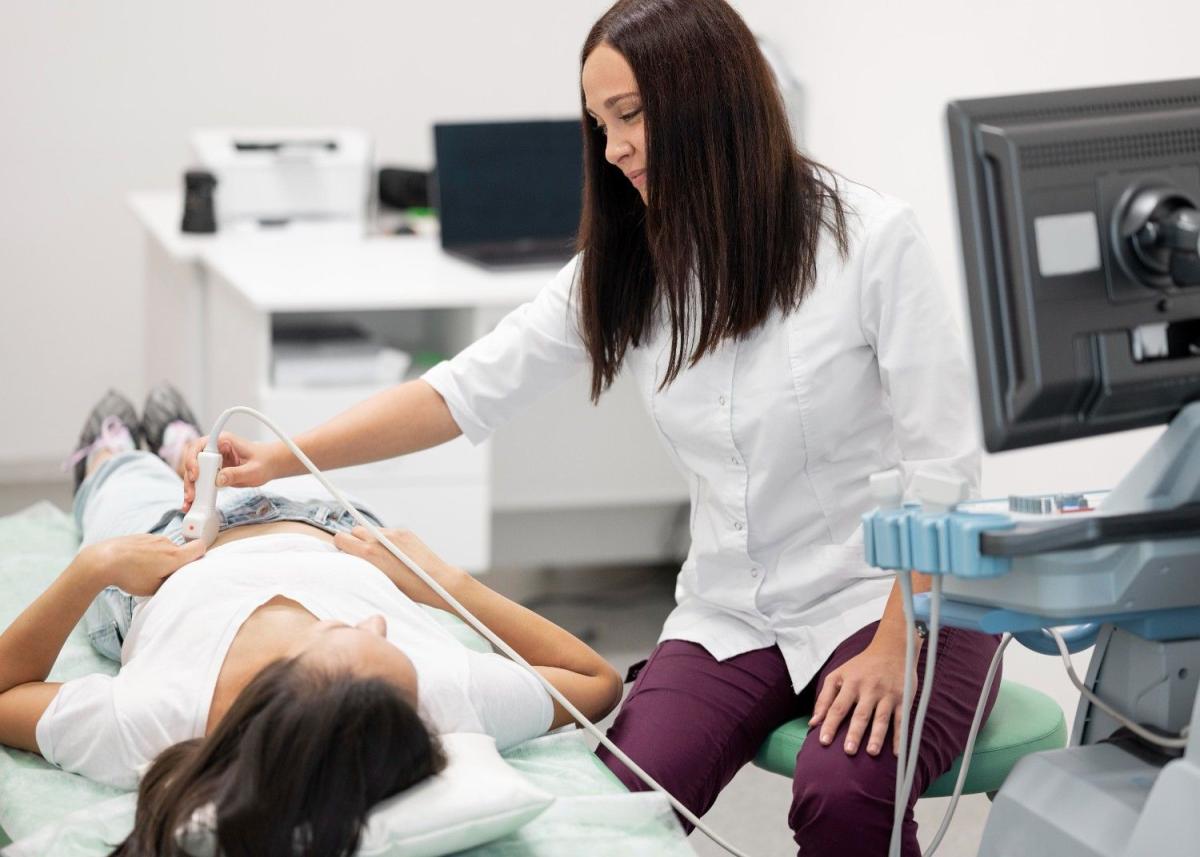
iinterferential ultrasound refers to the therapeutic use of interferential current therapy alongside ultrasound therapy to enhance treatment outcomes. Interferential therapy uses low-frequency electrical currents to stimulate nerves and reduce pain, while ultrasound therapy uses sound waves to promote deep tissue healing. When applied together or within the same rehabilitation program, they provide complementary benefits that support faster recovery and improved mobility.
How iinterferential Ultrasound Works
In physiotherapy practice, iinterferential ultrasound works by targeting both pain pathways and tissue healing mechanisms. Interferential currents help block pain signals, improve circulation, and relax muscles, while ultrasound waves penetrate deep into tissues to reduce inflammation and stimulate cellular repair. This dual-action approach allows therapists to treat both symptoms and underlying causes of discomfort.
Patients often experience reduced stiffness, improved joint flexibility, and enhanced muscle relaxation when these modalities are combined under professional supervision.
Benefits of iinterferential Ultrasound
The use of iinterferential ultrasound offers multiple benefits for individuals undergoing rehabilitation:
- Effective pain relief without medication
- Improved blood circulation
- Faster tissue healing and regeneration
- Reduced swelling and inflammation
- Enhanced muscle relaxation
- Better joint mobility and flexibility
Because of its non-invasive nature, this therapy is suitable for many age groups and conditions when applied correctly.
Conditions Treated Using iinterferential Ultrasound
iinterferential ultrasound is widely used in physiotherapy clinics to manage various conditions, including:
- Chronic and acute musculoskeletal pain
- Neck and back pain
- Shoulder stiffness and frozen shoulder
- Knee and joint pain
- Sports injuries
- Muscle strains and ligament sprains
- Post-surgical rehabilitation
- Tendon and soft tissue injuries
By addressing both pain and healing simultaneously, this therapy supports long-term functional improvement.
Why Professional Guidance Is Important
Although iinterferential ultrasound is safe and effective, its success depends on correct application. Factors such as treatment intensity, duration, and targeted areas must be customised to the patient’s condition. Physiotherapists assess individual needs and adjust therapy settings accordingly to ensure comfort and optimal results.
Combining this modality with exercises, stretching, and manual therapy further enhances recovery and prevents recurrence of injury.
Role in Comprehensive Rehabilitation
In modern rehabilitation programs, iinterferential ultrasound is rarely used alone. It is most effective when integrated into a personalised physiotherapy plan that includes movement training, posture correction, strengthening exercises, and patient education. This holistic approach ensures not only pain relief but also functional restoration and improved quality of life.
Conclusion
iinterferential ultrasound is a powerful physiotherapy modality that combines pain relief and tissue healing into one effective treatment approach. By supporting faster recovery, reducing discomfort, and improving mobility, it plays an important role in modern rehabilitation. For individuals seeking expert physiotherapy care and advanced treatment techniques, Craniaa Neuro Rehab Centre offers professional guidance and personalised rehabilitation programs designed to support safe, effective, and long-lasting recovery.