Understanding Osteopathic Treatments And Their Health Benefits

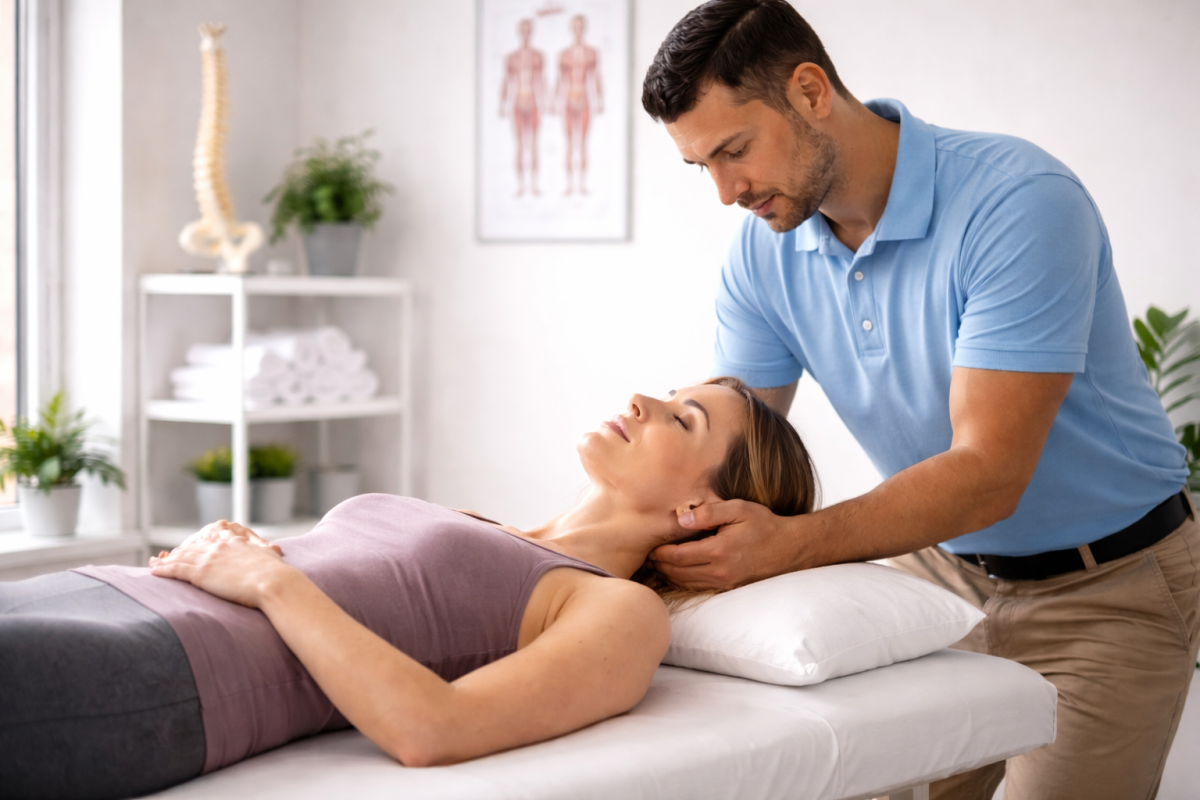
Have you ever woken up with a stiff neck that just won't budge? Or perhaps you've been dealing with nagging back pain that's been hanging around for months? Maybe you're simply curious about natural approaches to healthcare that don't rely solely on medication? If any of this sound familiar, osteopathy might be exactly what you've been looking for.
Osteopathy is a form of manual therapy that focuses on the whole body rather than just treating individual symptoms. Developed over 150 years ago, this hands-on approach has helped millions of people worldwide manage pain, improve mobility, and boost their overall wellbeing. What makes osteopathic treatment unique is its philosophy that the body has an incredible ability to heal itself—sometimes it just needs a little help getting there.
In this article, we’ll explore how osteopathy works, why you might see an osteopath in the first place, and the many health benefits this treatment can offer. We’ll also tackle common questions like whether an osteopath can prescribe medication and what you can expect during your first appointment. Whether you're dealing with chronic pain, recovering from an injury, or simply want to feel better in your body, this guide will give you everything you need to know about osteo healing—and help you feel confident when it comes to choosing a best osteopath in Newport for your care.
How Osteopathic Works: The Science Behind the Treatment
The Holistic Osteopathy Approach
Holistic osteopathy takes a refreshingly different approach to healthcare. Rather than zeroing in on one painful spot, osteopaths consider your entire body, lifestyle, and even emotional wellbeing when assessing your condition. This comprehensive view means your treatment addresses root causes, not just symptoms.
Think of it this way: if you've got knee pain, a holistic approach might reveal that tight hip muscles or poor posture are actually contributing to the problem. By treating these interconnected issues, osteopaths can provide longer-lasting relief than simply focusing on the knee alone.
Understanding the Body as a Connected System
Osteopaths view the body as one integrated unit where muscles, bones, nerves, and organs all work together. When one part isn't functioning properly, it can create a ripple effect throughout the entire system. This understanding forms the foundation of osteopathic treatment.
Your osteopath will assess how different body systems interact and influence each other. For instance, restricted movement in your spine might affect nerve function, which could then impact digestion or circulation. By restoring balance and proper movement, osteopathic treatment helps your body function optimally as a whole.
Why See an Osteopath? Common Reasons People Seek Treatment
Chronic Pain and Musculoskeletal Issues
One of the top reasons people book an appointment with osteopaths is chronic pain. Whether it's persistent lower back discomfort, neck stiffness, or joint problems, osteopathic treatment can provide significant relief without relying on painkillers.
Osteopaths use various hands-on techniques to reduce muscle tension, improve joint mobility, and encourage better blood flow to affected areas. Many patients notice improvements after just a few sessions, though the exact timeline depends on your specific condition.
Sports Injuries and Recovery
Athletes and active individuals often turn to osteopaths for injury treatment and prevention. From sprains and strains to overuse injuries, osteopathic treatment can speed up recovery and help you get back to doing what you love.
Beyond treating existing injuries, osteopaths can identify biomechanical issues that might be putting you at risk for future problems. This preventative approach is particularly valuable for anyone who exercises regularly.
Pregnancy and Postnatal Care
Pregnancy places significant demands on the body, and many women experience back pain, pelvic discomfort, and postural changes as their bump grows. Osteopathic treatment offers safe, gentle relief for these common complaints.
After birth, osteopathy can help new mums recover from the physical stresses of labour and adjust to the demands of caring for a newborn. Those long hours of feeding and carrying can really take their toll on your back and shoulders!
Headaches, Migraines, and Tension Relief
If you suffer from frequent headaches or migraines, you know how debilitating they can be. Many people don't realise that neck tension, jaw problems, or postural issues can trigger or worsen these conditions.
Osteopaths can assess whether musculoskeletal factors are contributing to your headaches and provide targeted treatment to reduce their frequency and intensity. For many sufferers, this approach offers a welcome alternative to constant medication use.
Can an Osteopath Prescribe Medication?
Understanding an Osteopath's Scope of Practice
This is one of the most frequently asked questions about osteopathic treatment. The simple answer is no—osteopaths in Australia cannot prescribe medication. Their training focuses on manual therapy techniques rather than pharmaceutical interventions.
However, this isn't necessarily a limitation. Many people specifically choose osteopathy because they want a drug-free approach to managing their health concerns. Osteopaths are highly skilled at using their hands to diagnose and treat a wide range of conditions.
When Your Osteopath May Refer You to a GP
While osteopaths can't prescribe medication, they're trained to recognise when a condition requires medical attention. If your osteopath believes you'd benefit from medication or further medical investigation, they'll refer you to your GP or an appropriate specialist.
This collaborative approach means you get the best of both worlds—hands-on osteopathic care alongside conventional medicine when needed. Your osteopath can also work alongside your other healthcare providers to coordinate your treatment.

The Osteo Healing Process: What to Expect During Treatment
Your First Consultation with an Osteopath
Your initial appointment will typically last around 45 minutes to an hour. Your osteopath will take a detailed history, asking about your symptoms, lifestyle, medical background, and any previous injuries. Don't be surprised if they ask questions that seem unrelated to your main complaint—remember, they're looking at the whole picture.
After the discussion, your osteopath will perform a physical examination. This might involve watching you move, checking your posture, and assessing the mobility of various joints and muscles.
Techniques Osteopaths Use
Osteopaths have a toolkit of techniques at their disposal, including:
- Soft tissue massage and stretching
- Joint mobilisation and manipulation
- Muscle energy techniques
- Cranial osteopathy
- Myofascial release
Your treatment will be tailored to your specific needs, and your osteopath will explain what they're doing throughout the session.
How Many Sessions Will You Need?
This varies depending on your condition, how long you've had it, and how your body responds to treatment. Some people feel significant improvement after just one or two sessions, while chronic conditions might require ongoing care.
Your osteopath will discuss a treatment plan with you and give you a realistic idea of what to expect. Most practitioners also provide exercises and advice to support your osteo healing between appointments.
Health Benefits of Osteopathic Treatment
Improved Mobility and Flexibility
One of the most noticeable benefits of osteopathic treatment is improved range of motion. By releasing tight muscles and mobilising stiff joints, osteopaths help you move more freely and comfortably.
Better Posture and Spinal Health
Poor posture is incredibly common, especially among those who spend long hours at desks. Osteopaths can identify postural imbalances and provide treatment and advice to help you stand taller and sit better.
Enhanced Circulation and Nervous System Function
Osteopathic techniques can improve blood flow and lymphatic drainage throughout the body. This enhanced circulation supports healing, reduces inflammation, and helps your nervous system function optimally.
Stress Reduction and Overall Wellbeing
Many patients report feeling deeply relaxed after osteopathic treatment. By releasing physical tension, osteopathy can have a positive impact on your mental and emotional state too.
Who Can Benefit from Seeing an Osteopath?
Osteopathic treatment isn't just for people in pain. Office workers dealing with desk-related aches, athletes wanting to perform at their best, older adults managing age-related stiffness, and even infants with feeding difficulties can all benefit from seeing an osteopath.
The gentle nature of many osteopathic techniques makes them suitable for people of all ages and fitness levels. Your osteopath will always tailor their approach to suit your individual needs and preferences.
Is Osteopathy Right for You? Key Considerations
Before booking an appointment, consider whether your symptoms align with conditions osteopaths commonly treat. If you're unsure, most clinics offer a free phone consultation where you can discuss your concerns.
It's also worth checking that your osteopath is registered with the Osteopathy Board of Australia. This guarantees they've completed the required training and adhere to professional standards.
Taking the Next Step Towards Osteo Healing
We've covered a lot of ground in this guide, from understanding how osteopathic works to exploring the many health benefits this treatment can offer. The key takeaway is that osteopathy provides a natural, hands-on approach to healthcare that treats you as a whole person rather than just a collection of symptoms.
Whether you're dealing with chronic pain, recovering from an injury, or simply want to feel better in your body, osteopathic treatment could be exactly what you need. With its focus on helping your body heal itself, osteopathy offers a gentle yet effective path to improved health and wellbeing.
So, what are you waiting for? If any of the conditions or benefits, we've discussed resonate with you, why not book a consultation with a local osteopath? Your body will thank you for it. Taking that first step towards osteo healing could be one of the best decisions you make for your health this year.