Understanding Prostatitis: Causes, Symptoms, And Pathways To Relief

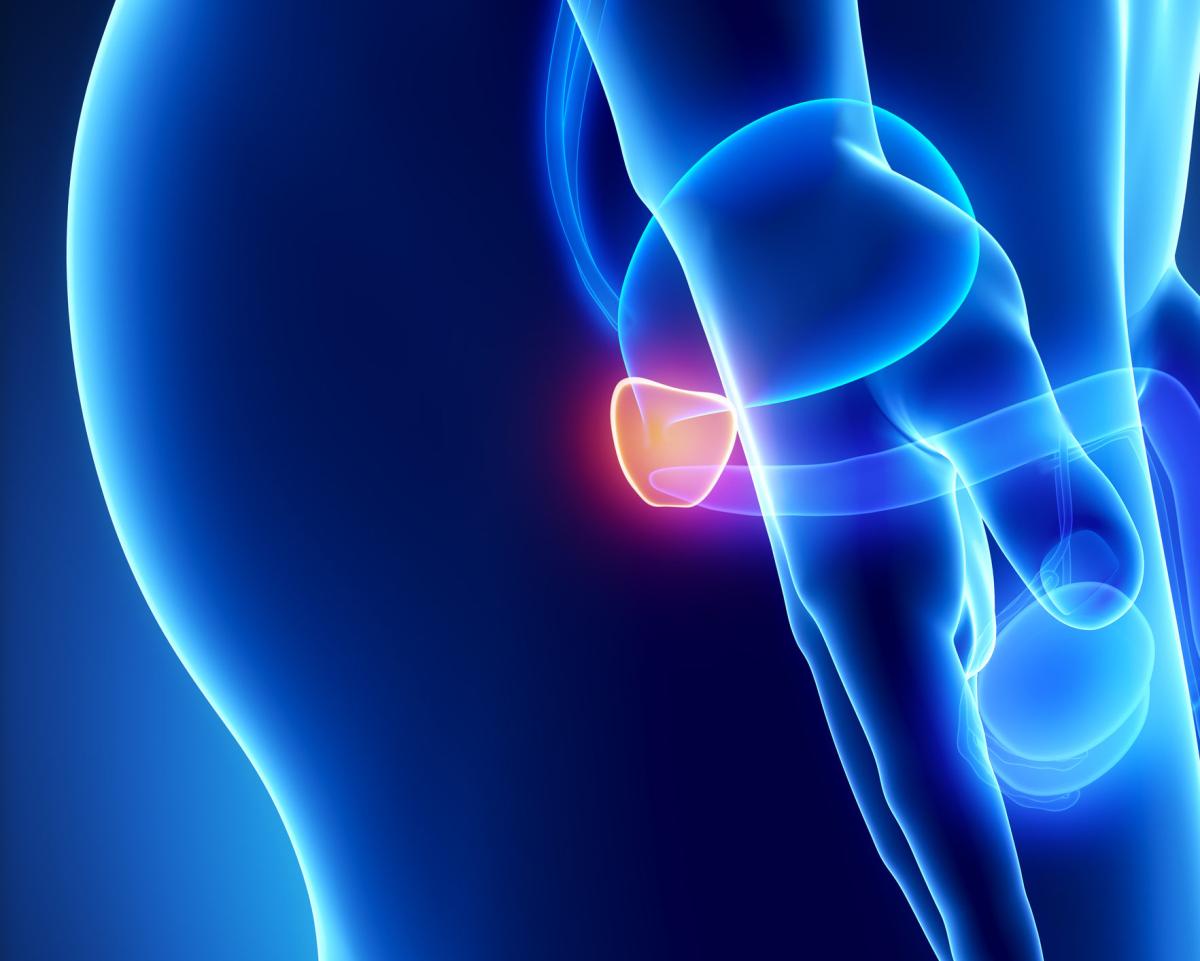
Prostatitis, a condition involving inflammation of the prostate gland, affects men of all ages and can disrupt daily life with its range of discomforts and uncertainties. The prostate, a walnut-sized organ located below the bladder and surrounding the urethra, plays a key role in reproductive health, but when inflamed, it can lead to pain, urinary issues, and emotional strain. While prostatitis is common and often treatable, its varied forms require careful diagnosis and tailored management to restore well-being. This article provides a thorough overview of prostatitis, exploring its types, underlying causes, recognizable symptoms, diagnostic methods, effective treatment strategies, and preventive measures. By shedding light on this often-misunderstood condition, we aim to empower those affected with knowledge for informed discussions with healthcare providers and proactive steps toward recovery.
What Is Prostatitis? The Prostate's Role and Inflammation's Impact
Prostatitis refers to inflammation of the prostate gland, which can stem from bacterial infection, non-infectious causes, or unknown triggers, leading to a spectrum of symptoms that impact urinary function, sexual health, and overall comfort. The prostate produces fluid that nourishes and transports sperm, but swelling disrupts this balance, causing pressure on surrounding tissues and nerves. This inflammation can manifest acutely with sudden severity or chronically as a persistent, low-grade issue, influencing quality of life in subtle yet profound ways.
While not typically life-threatening, prostatitis can mimic other conditions like urinary tract infections or benign prostatic hyperplasia, underscoring the importance of professional evaluation. Men in their 30s and 40s experience it most frequently, though it spans all ages, and its effects—ranging from pelvic discomfort to fatigue—highlight the need for a holistic approach that addresses both physical and emotional dimensions.
Types of Prostatitis: Navigating the Spectrum of Inflammation
Prostatitis encompasses several distinct types, each with unique characteristics that guide diagnosis and care. Acute bacterial prostatitis arises from sudden infection, often by common bacteria like E. coli, presenting with intense symptoms that require prompt antibiotic intervention to prevent complications such as abscess formation.
Chronic bacterial prostatitis involves recurring infections that persist despite treatment, demanding longer courses of antibiotics and strategies to address underlying urinary tract issues. Chronic pelvic pain syndrome, the most prevalent form, lacks clear bacterial involvement and features ongoing discomfort without fever, often linked to muscle tension or nerve irritation in the pelvic floor.
Asymptomatic inflammatory prostatitis, discovered incidentally during exams for other conditions, shows inflammation without noticeable symptoms, typically requiring no specific treatment but monitoring. Recognizing these variations allows for targeted management, where an understanding of prostatitis types informs everything from medication choices to lifestyle adjustments.
Common Symptoms: Recognizing the Signs of Prostatitis
Symptoms of prostatitis vary by type but often center on the pelvic region, beginning with pain or burning during urination, frequent urges to go, or difficulty starting the stream, reflecting the prostate's proximity to the urethra. Lower back, perineum, or genital discomfort may accompany these, sometimes radiating to the thighs, creating a persistent ache that worsens with sitting or ejaculation.
In acute cases, fever, chills, and nausea signal systemic infection, while chronic forms bring fatigue and sexual dysfunction like painful intercourse or erectile challenges. Emotional tolls, including anxiety from disrupted routines, add layers to the experience. Early recognition of prostatitis symptoms—tracking patterns like post-activity flares—facilitates timely intervention, easing the path to relief.
Diagnostic Approaches: Uncovering the Root of Prostatitis
Diagnosing prostatitis involves a multifaceted evaluation to pinpoint the type and cause, starting with a detailed medical history that explores symptom onset, urinary habits, and recent infections. A physical exam, including a digital rectal examination, assesses prostate tenderness and size, guiding further tests.
Urine analysis detects bacteria or white blood cells, while cultures identify specific pathogens for targeted antibiotics. Prostate-specific antigen (PSA) blood tests rule out other conditions, and imaging like ultrasound or MRI visualizes inflammation or abscesses. In complex cases, urological referral brings cystoscopy for bladder views or post-massage urine tests for bacterial confirmation. This systematic process demystifies prostatitis, paving the way for effective care.
Treatment Options: Tailored Strategies for Prostatitis Relief
Treatment for prostatitis adapts to the type, with acute bacterial cases responding to 2-4 weeks of antibiotics like ciprofloxacin, often combined with alpha-blockers to ease urinary flow and pain relievers for comfort. Chronic bacterial prostatitis may require prolonged therapy, 4-6 weeks or more, with low-dose suppressants to prevent recurrences.
For chronic pelvic pain syndrome, a multimodal approach includes physical therapy to relax pelvic muscles, anti-inflammatories like ibuprofen, and lifestyle changes such as warm baths or stress reduction techniques. Asymptomatic cases typically warrant observation, with treatment reserved for complications. Emerging options like phytotherapy with plant extracts or neuromodulation offer promise for refractory symptoms. Collaborative care, involving urologists and physical therapists, ensures holistic management of prostatitis.
Lifestyle and Prevention: Building Resilience Against Prostatitis
Preventing prostatitis involves habits that support prostate health, such as staying hydrated to flush the urinary tract and practicing safe sex to reduce infection risks. Regular exercise strengthens pelvic muscles, while a diet rich in fruits, vegetables, and omega-3s from fish combats inflammation.
Avoiding prolonged sitting through breaks and using ergonomic aids helps, and prompt treatment of urinary infections curbs escalation. Stress management via mindfulness or yoga eases chronic tension, and annual check-ups for men over 50 monitor prostate function. These proactive steps mitigate prostatitis risks, promoting long-term vitality.
When to Seek Help: Recognizing the Need for Professional Care
Seek care for prostatitis if symptoms like persistent pelvic pain, urinary changes, or fever disrupt daily life, as early intervention prevents complications. Blood in urine or semen, difficulty urinating, or sexual concerns warrant immediate attention, especially with acute signs like chills.
Consult a primary physician or urologist for tailored evaluation, bringing symptom journals for accuracy. This vigilance turns unease into empowerment, guiding prostatitis toward resolution.
Horizons of Healing: The Future of Prostatitis Management
Prostatitis management advances with targeted therapies like microbiome research for infection prevention and minimally invasive procedures for chronic pain. In this horizon, care promises precision and personalization.
Pathways to Peace: Embracing Life Beyond Prostatitis
Prostatitis, with its varied voices, emerges as a call to care—from acute alarms to chronic calls. In treatment's tender touch and prevention's prudent path, relief resides. As knowledge kindles, one truth endures: In prostatitis' patient pursuit, wellness waits. Seek supportively; sustain steadily.